
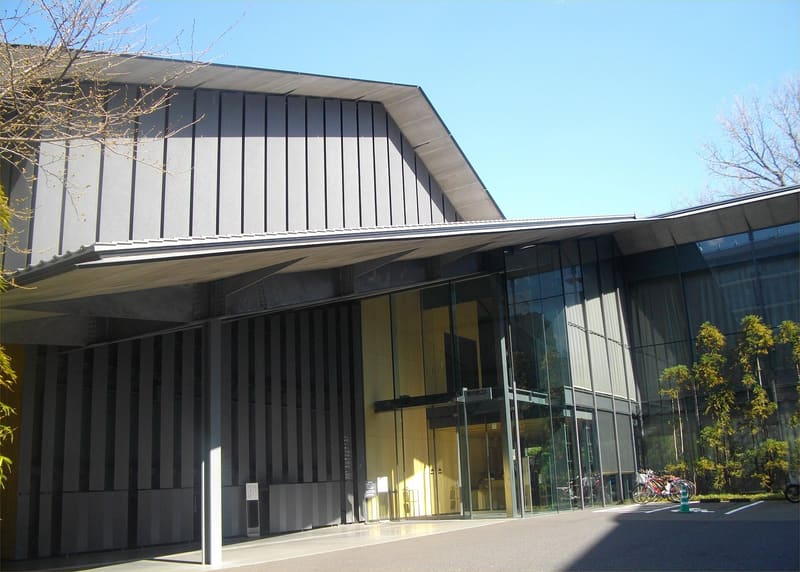
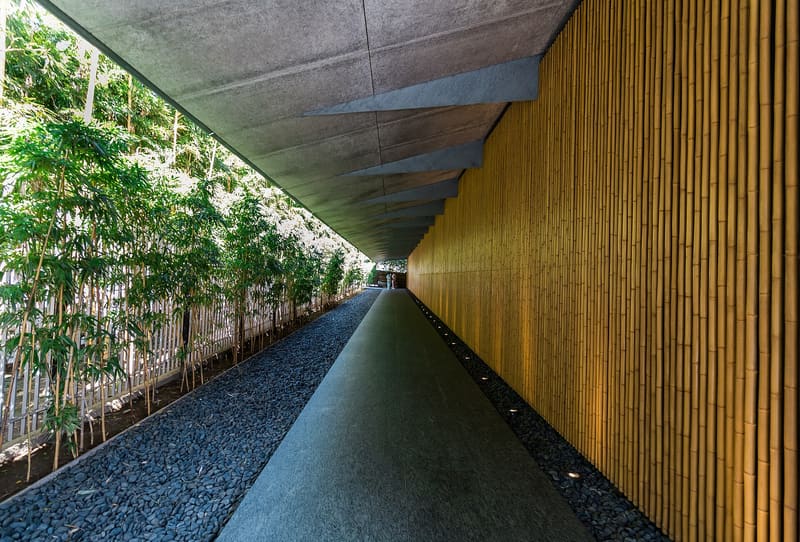
Kōrin's National Treasure Irises screen is on display only from 11/4 to 10/5/2026.
You go in through a long bamboo corridor designed by Kengo Kuma, and the Omotesando traffic disappears before you even reach the ticket desk. Inside, seven exhibitions a year rotate more than 7,600 works of premodern Japanese and Asian art; once a year, in spring, Ogata Kōrin's National Treasure Irises screen comes out of storage. Behind the building you walk through a garden with ponds, stone lanterns and teahouses.
The museum opened in November 1941, when the son of Nezu Kaichirō (railway entrepreneur, politician and tea connoisseur, who had died the year before) turned the family villa into the home of a permanent exhibition of his collection of premodern Japanese and Asian art: 4,643 pieces at the opening, rising to more than 7,400 in 2016 (7 National Treasures, 87 Important Cultural Properties). The original building burned down in a bombing raid in May 1945; the second, from 1954, was demolished in 2006 to make way for the current one, designed by Kengo Kuma and opened on 7 October 2009.
ℹ️ Open 10:00–17:00, last entry 16:30; closed on Mondays, during exhibition changeovers and at the end/start of the year. The ticket price is not fixed and changes with the exhibition: a base of about 1,400 yen, raised to 1,800 (students 800) for the 2026 screen exhibition; online booking for a time slot recommended. ⚠️ Walking access from the nearest station not found in an open source in this session.
🚉 Omote-sando · 8 min walk
Holidays in Japan? Plan them with us.Over 2,000 real places, a day-by-day itinerary.FreeOpen the map →Sources: nezu-muse.or.jp · nezu-muse.or.jp · ja.wikipedia.org
Nearby
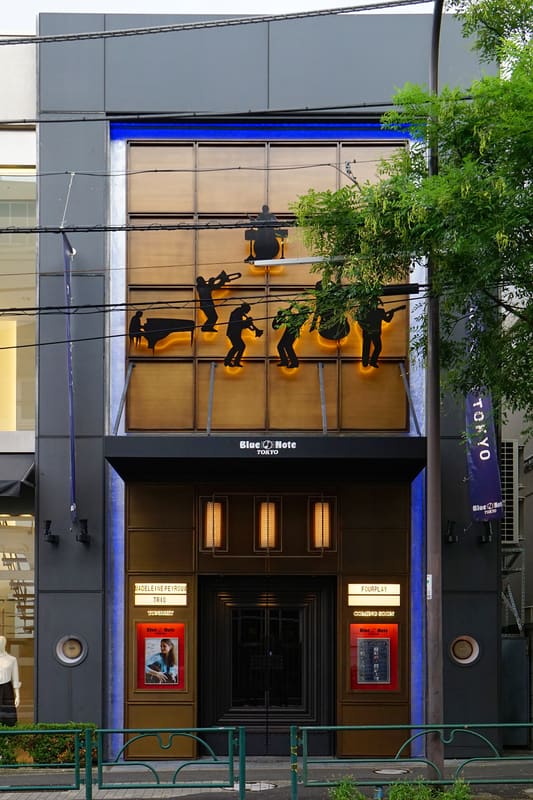 Blue Note Tokyo200 mphoto by 663highland · CC BY 2.5
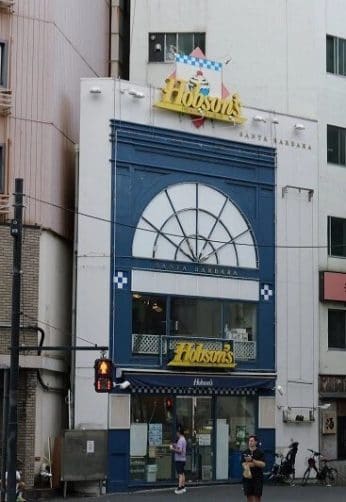 Hobson's Nishi-Azabu600 m
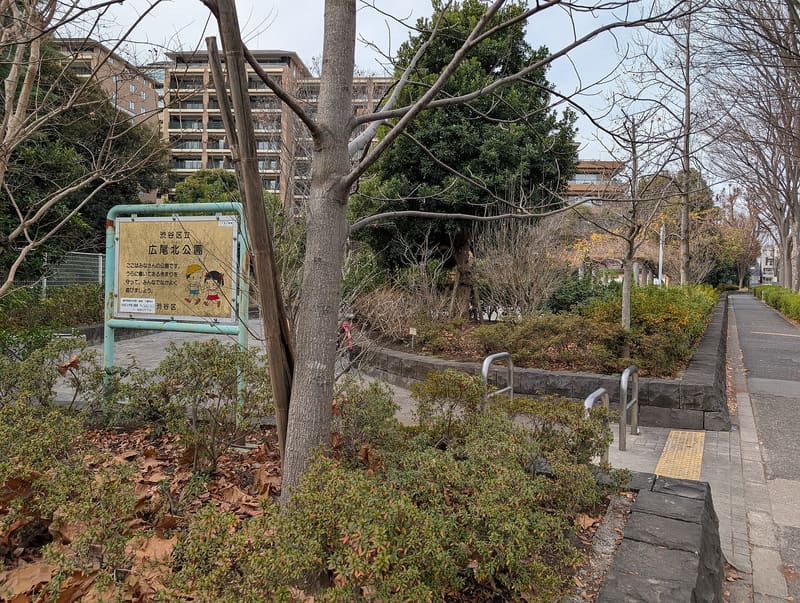 Hiroo Kita Park700 mphoto by Syced · CC0
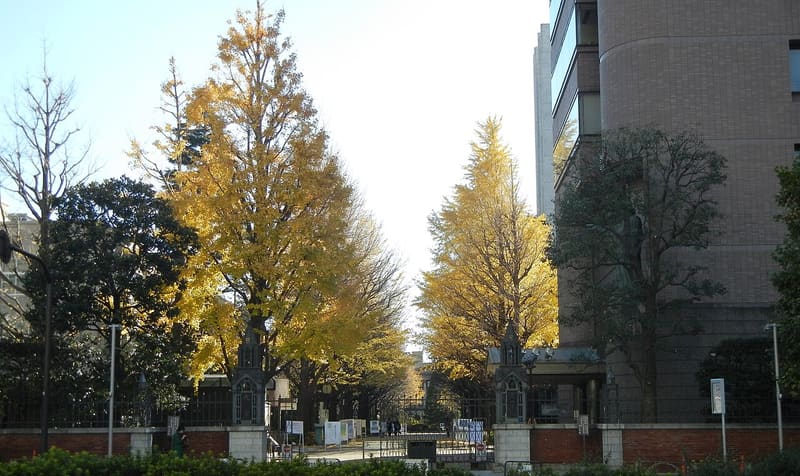 Aoyama Gakuin University, Aoyama Campus700 mphoto by ペン太 · CC BY 2.5