
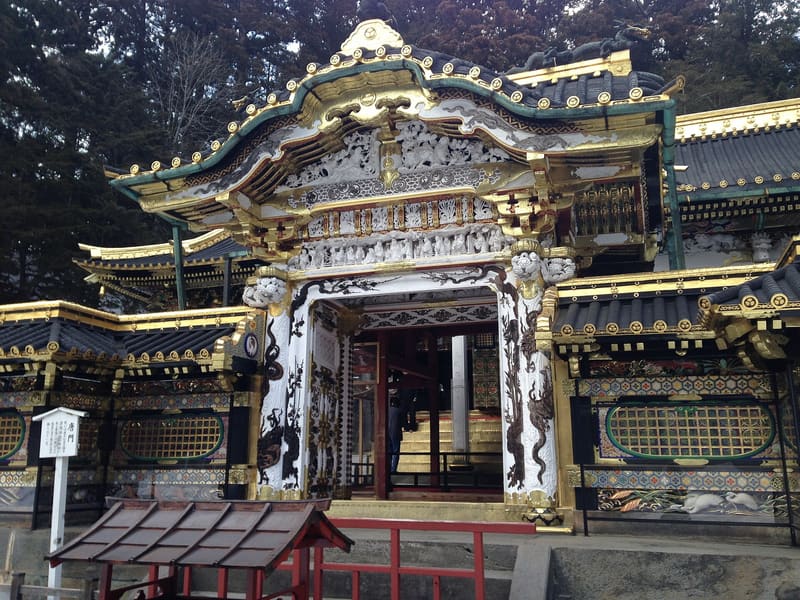
Hidari Jingorō's sleeping cat watches over Ieyasu's mausoleum: UNESCO since 1999.
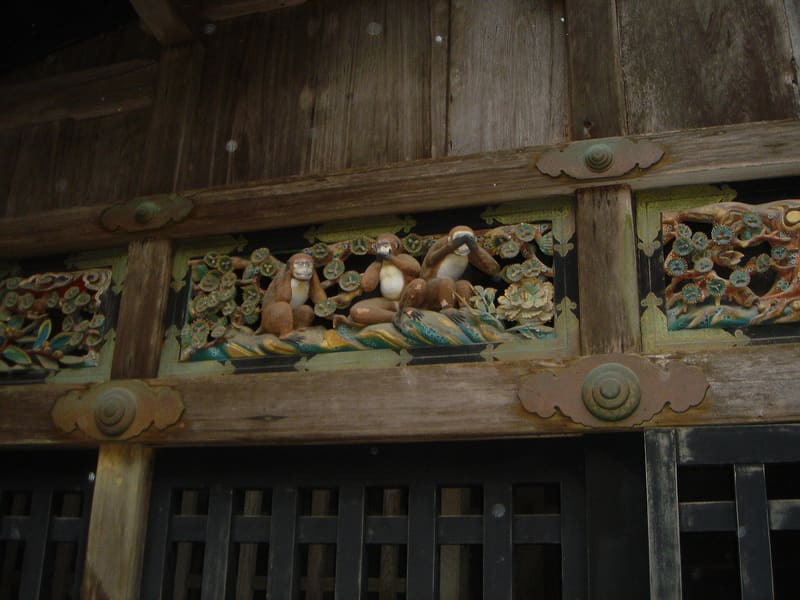
The shrine holds the mausoleum of Tokugawa Ieyasu, founder of the shogunate, who died in 1616 and has been buried here since 1617. Among the carvings that decorate the buildings, the most notable are the ‘sleeping cat’ (眠り猫) by Hidari Jingorō, above a passage leading to the mausoleum, and the three wise monkeys (‘see no evil, hear no evil, speak no evil’) on the sacred stable. In 1999, together with Rinnō-ji and Futarasan-jinja, it became part of the UNESCO site ‘Shrines and Temples of Nikkō’.
The Tōshō-gū was built from 1617 on the spot where Ieyasu had been buried, and rebuilt on a much larger scale in 1636 by his grandson Iemitsu, the third shōgun, with the lacquer, gold and polychrome carvings that still set it apart from the plainer style of earlier Shinto shrines. It is one of the few places in Japan where Buddhist and Shinto architecture coexist in the same complex, a reflection of the religious fusion of the Edo period.
ℹ️ April–October 9:00–17:00 (last entry 16:30); November–March 9:00–16:00 (last entry 15:30). Ticket for adults/high school 1,600 yen, elementary/junior high 550 yen; combined with the treasury 1,970/725 yen. Audio guide 500 yen per day (Japanese, English, Chinese). The route is almost all steps and gravel: comfortable shoes.
🚉 Yasukawacho · 8 min walk
Holidays in Japan? Plan them with us.Over 2,000 real places, a day-by-day itinerary.FreeOpen the map →Sources: toshogu.jp · toshogu.jp · nikko-kankou.org · tochigiji.or.jp
Nearby
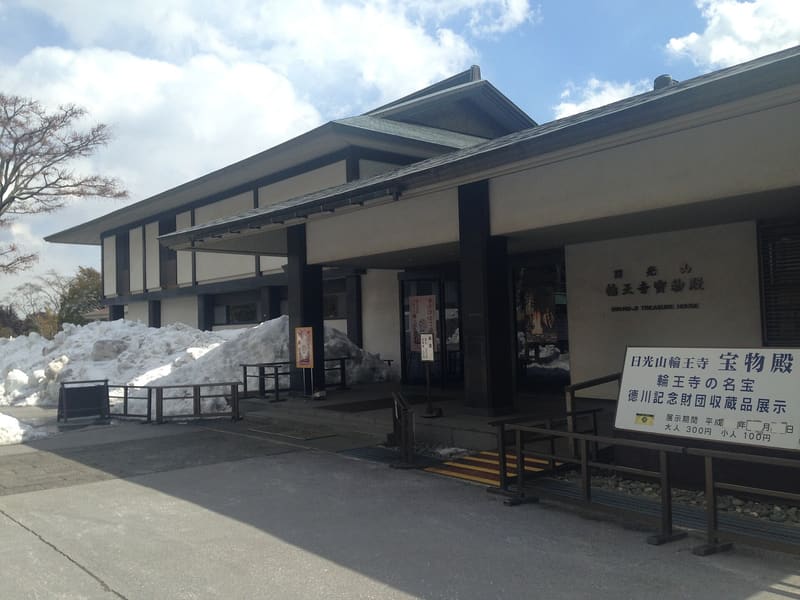 Nikkō-zan Rinnō-ji400 mphoto by そらみみ · CC BY-SA 3.0
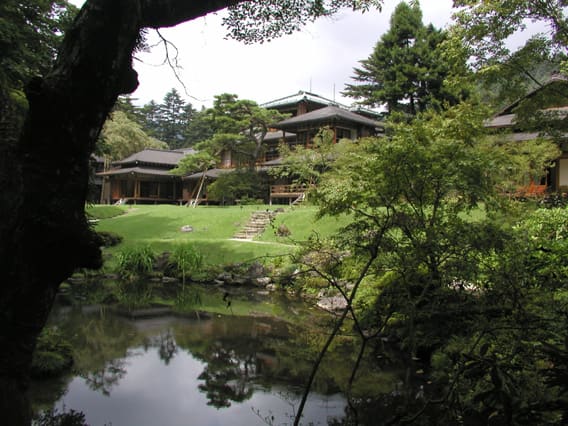 Nikkō Tamozawa Goyōtei900 mphoto by Samiadon · CC BY-SA 3.0
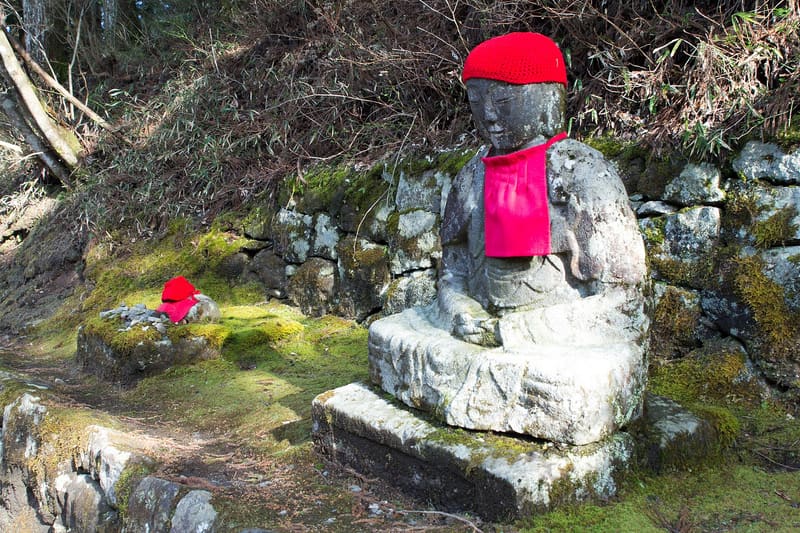 Kanmangafuchi — the Jizō statues1.3 kmphoto by Oren Rozen · CC BY-SA 4.0
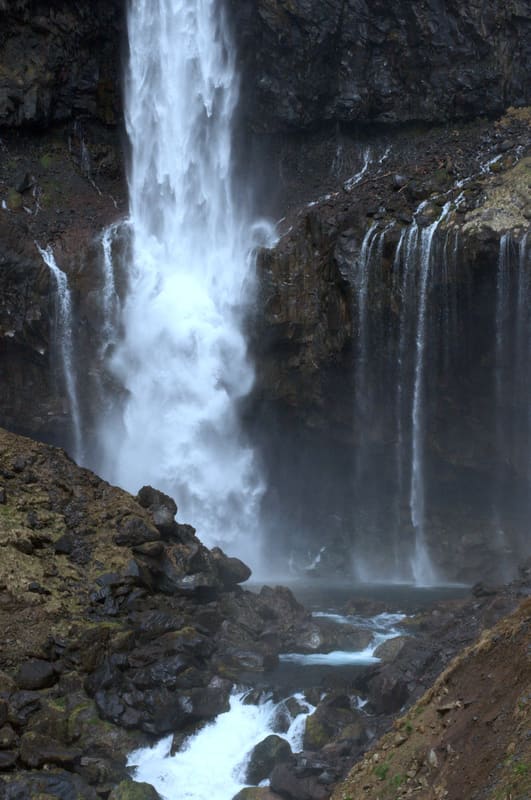 Kegon Falls8.7 kmphoto by Ryoichi Komatsu from Tokyo, Japan · CC BY 2.0