
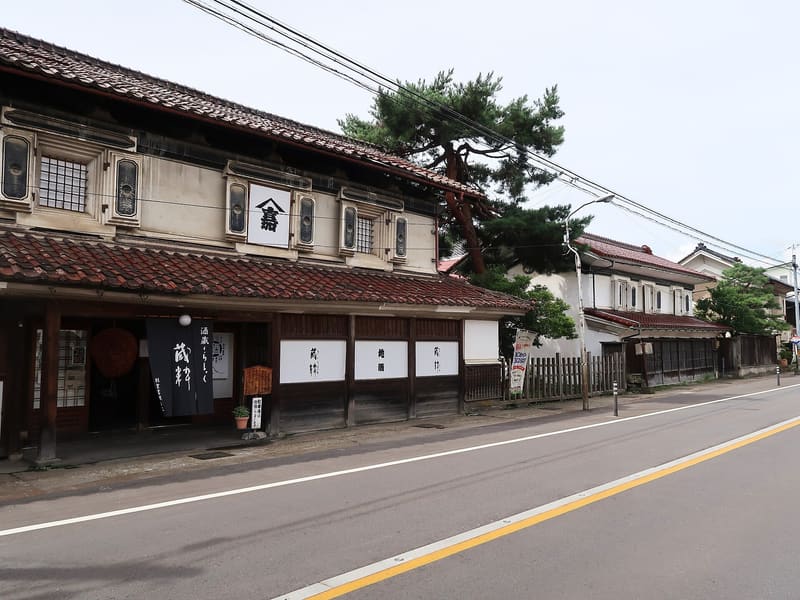
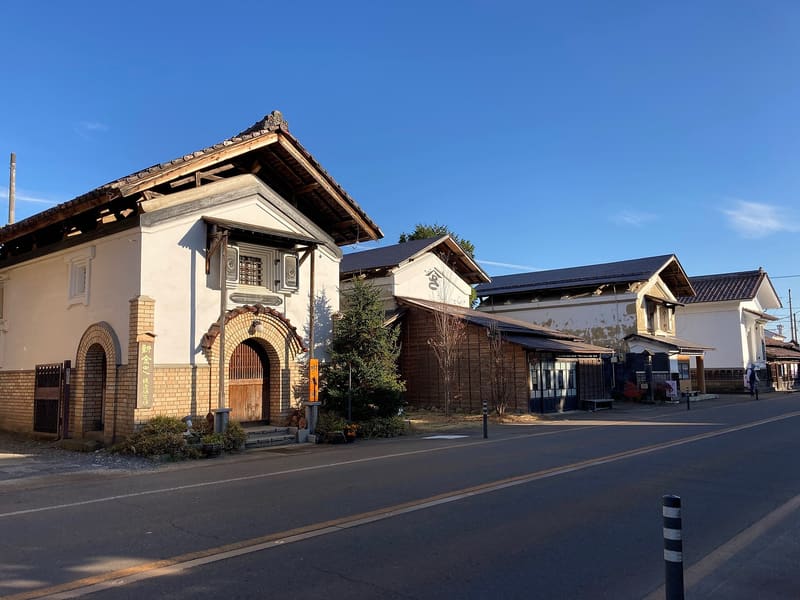
A 1972 exhibition and a 1975 NHK documentary made it ‘the town of storehouses’.
Once a rice market and a sake-production centre that grew up around the Tatsuki River, the district still keeps part of the roughly 4,200 storehouses (kura) scattered throughout Kitakata: houses, shops and depots built of masonry to withstand fire. Its national fame began with a 1972 photographic exhibition and a 1975 NHK documentary, which portrayed Kitakata as ‘the city where people live in storehouses’; since 17 August 2018 the district's 15.5 hectares have been a national Important Preservation District for Groups of Traditional Buildings. Many kura now house shops and restaurants, including those serving Kitakata ramen, one of Japan's three great ramen styles, together with Sapporo and Hakata.
Old merchant district of Kitakata, which began as a market town (在郷町) and a centre of sake production.
ℹ️ A district of public streets, open to walk through at any time; the individual shops and restaurants in the kura keep their own hours. About 1.5 km on foot from JR Kitakata Station.
🚉 Kitakata · 20 min walk
Holidays in Japan? Plan them with us.Over 2,000 real places, a day-by-day itinerary.FreeOpen the map →Sources: ja.wikipedia.org · ja.wikipedia.org
Nearby
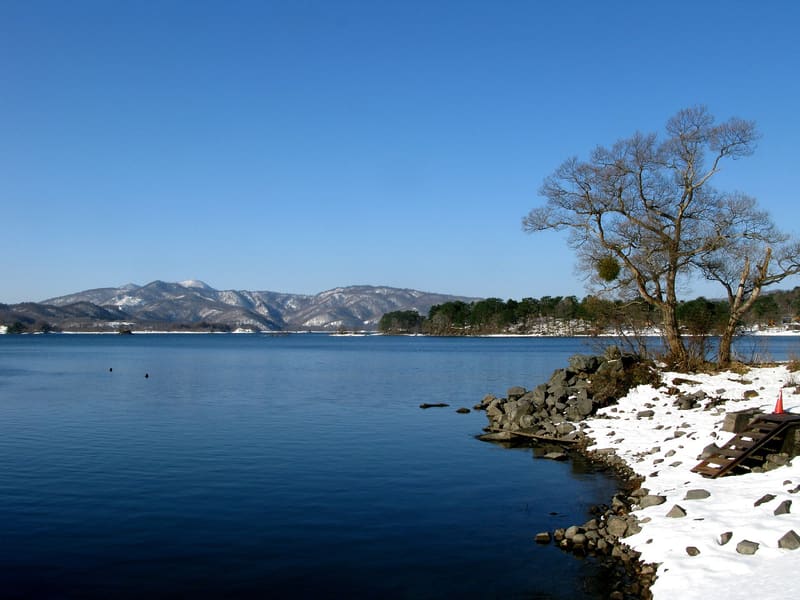 Lake Hibara16.6 kmphoto by Qwert1234 · CC BY-SA 3.0
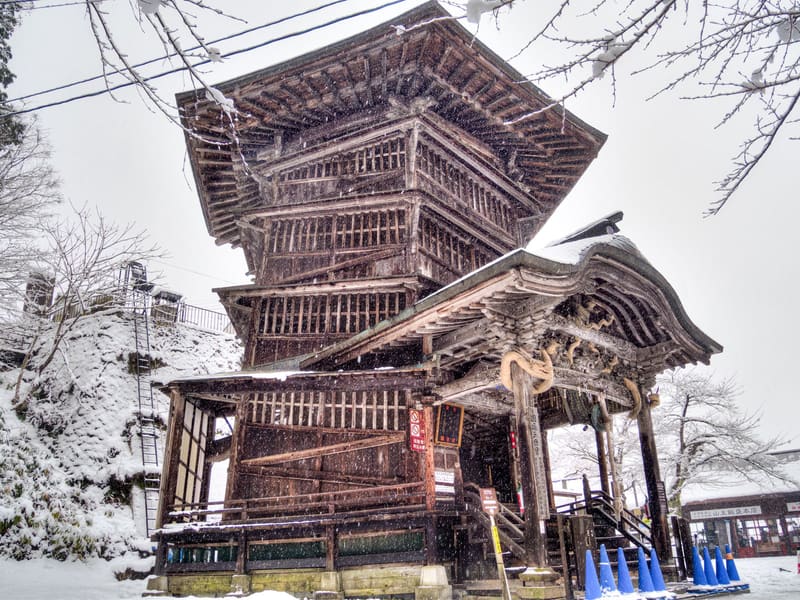 Sazae-dō (Entsū Sansō-dō)17 kmphoto by くろふね · CC BY 4.0
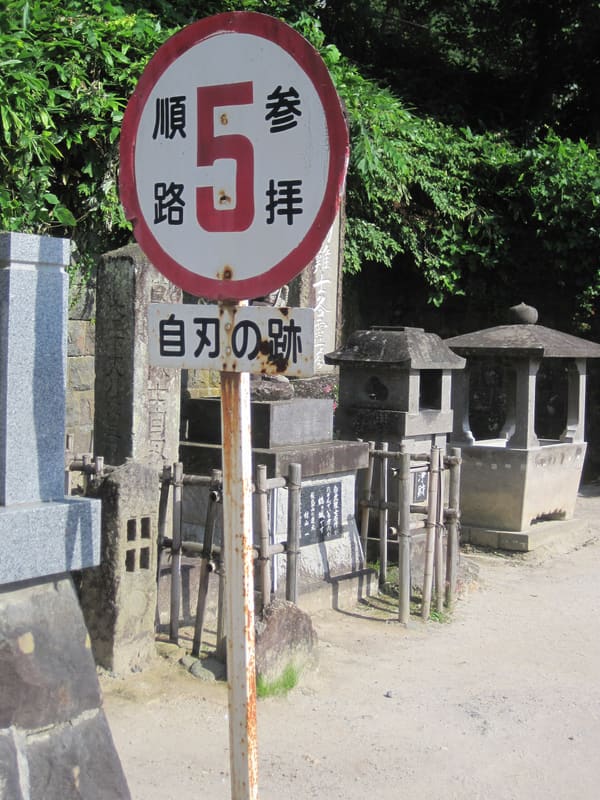 Byakkotai Graves, Iimori-yama17.7 kmphoto by alonfloc · CC BY 3.0
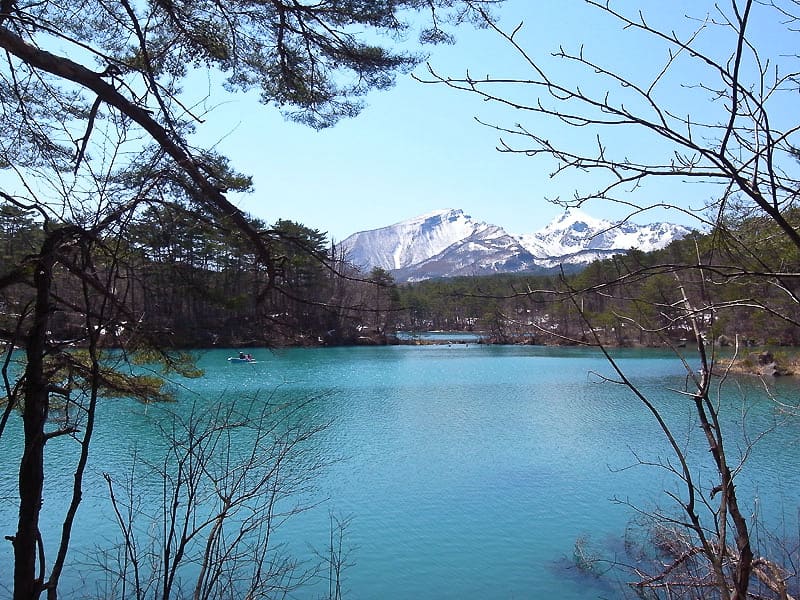 Goshiki-numa (the lakes of the five colours)19 kmphoto by Jordy Meow · CC BY 3.0