
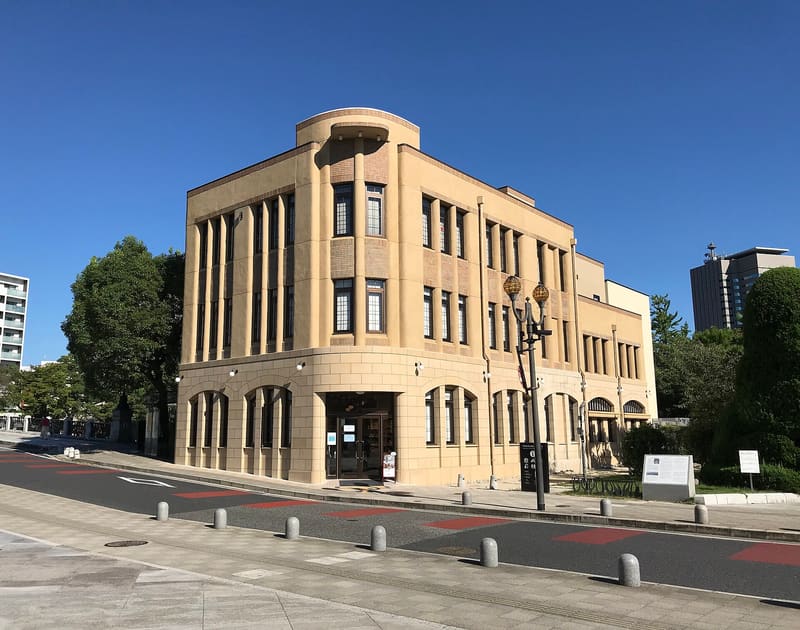
170 m from the hypocentre: of the 37 people there, only the one who had gone down to the cellar survived.
The 1929 kimono shop, 170 metres from the hypocentre, is now the park's information point: at the ground-floor desk the staff give directions, and the café is on the floor above. Of the 37 people who worked here on 6 August 1945, only the one who had gone down to the basement to look for documents survived.
The building opens on 20 March 1929 as a kimono shop, the Taishōya, in a reinforced concrete structure with three storeys above ground and a basement, unusual for the time, when the houses around it were mostly wooden with tiled roofs. On 6 August 1945 the bomb explodes 170 metres from here: the concrete structure holds, and of the 37 people at work in the building only Nomura Eizō survives, having gone down to the basement to look for documents; he would die in 1982. The restoration completed in 2020 gives the façades back their pre-war appearance. Today the building houses a tourist information centre, a shop and a café.
ℹ️ Open all year, with no stated closing days: 8:30–17:00 from December to the end of February, 8:30–18:00 from March to November, 8:30–19:00 in August (until 20:00 on 5 August), 7:30–20:00 on 6 August. No official page states an admission price: the information desk and the shop are free to enter, and at the café you pay for what you order. It is inside the Peace Memorial Park, on the Motoyasu River side.
🚉 Hondōri · 6 min walk
Holidays in Japan? Plan them with us.Over 2,000 real places, a day-by-day itinerary.FreeOpen the map →Sources: hpmmuseum.jp · hiroshima-resthouse.jp · hiroshima-resthouse.jp · peace-tourism.com
Nearby
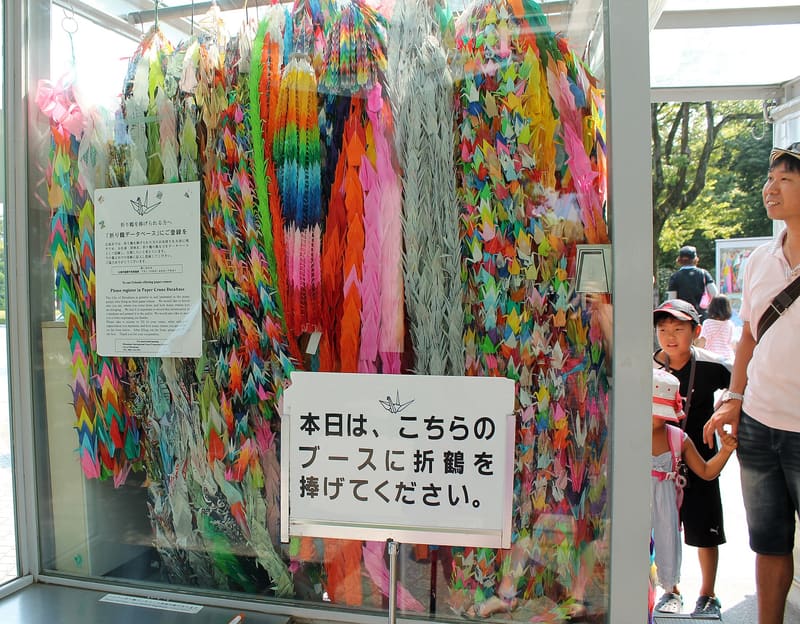 Children's Peace Monument100 mphoto by Sarah Stierch · CC BY 4.0
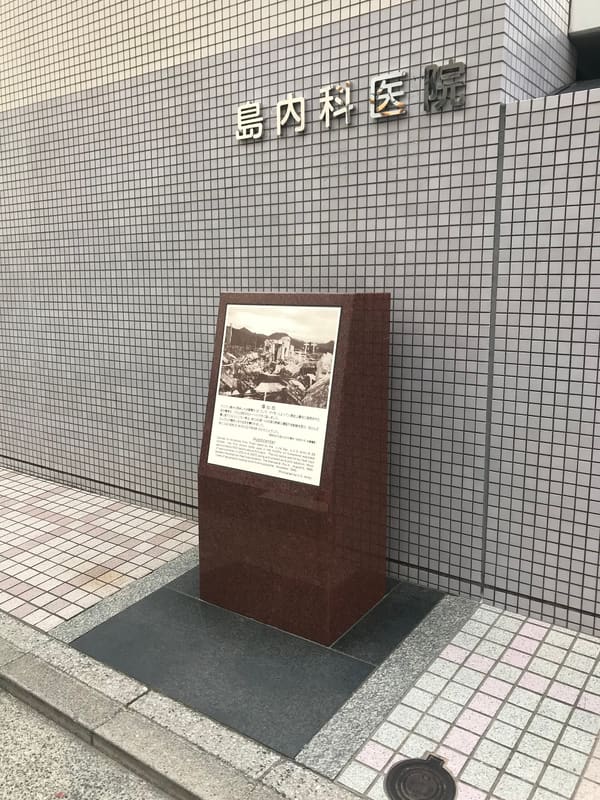 Hypocentre200 mphoto by そらみみ · CC BY-SA 4.0
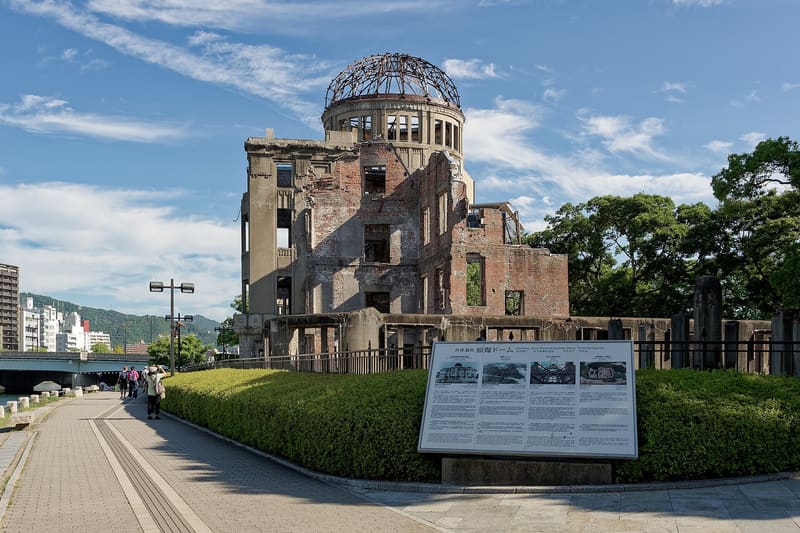 Genbaku Dome (Atomic Bomb Dome)200 mphoto by Jakub Hałun · CC BY 4.0
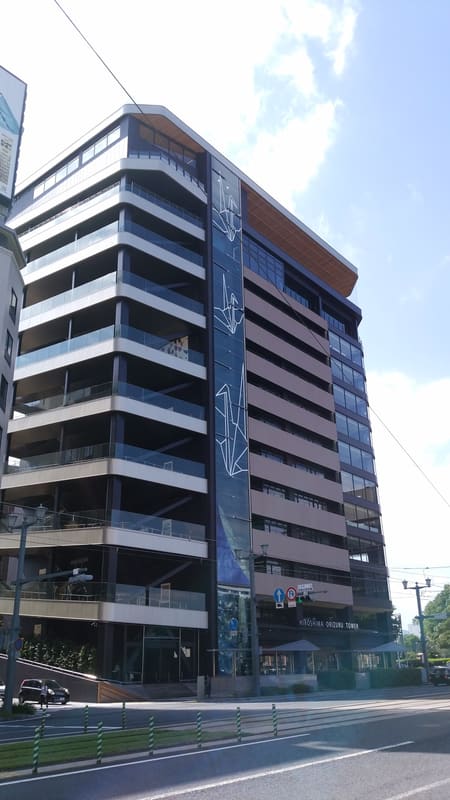 Orizuru Tower200 mphoto by Taisyo · CC BY 3.0