
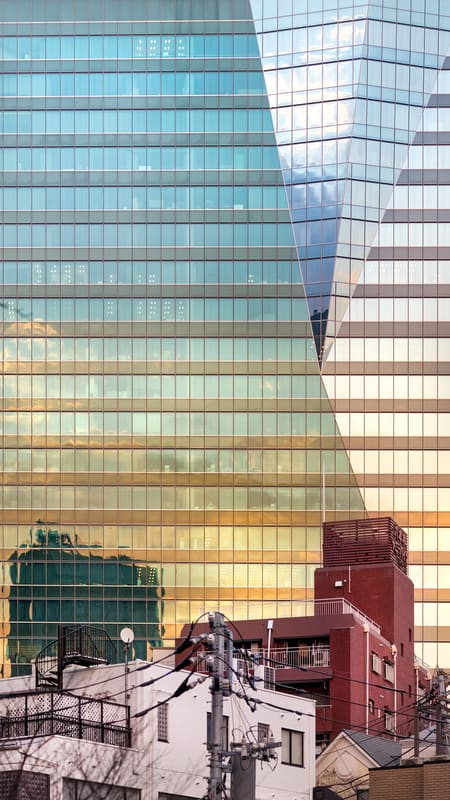
The National Art Center is the only national museum in Japan without a collection of its own.
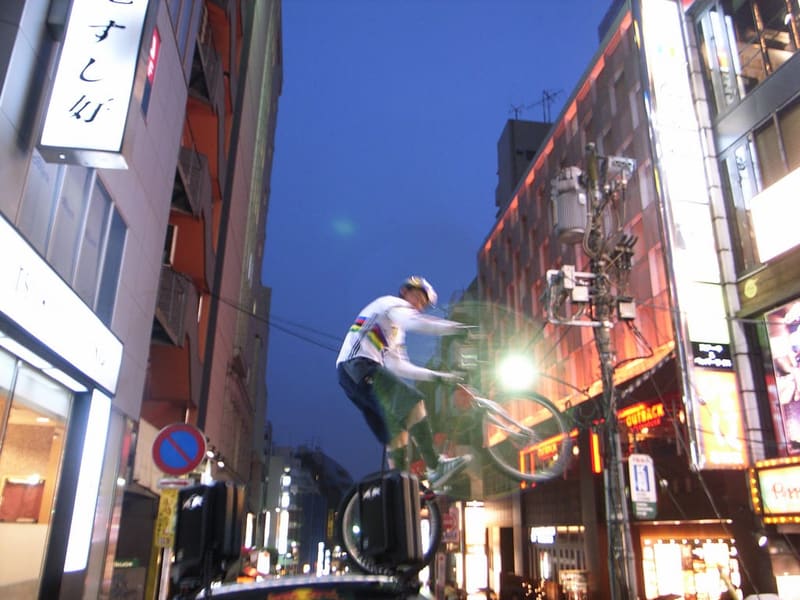
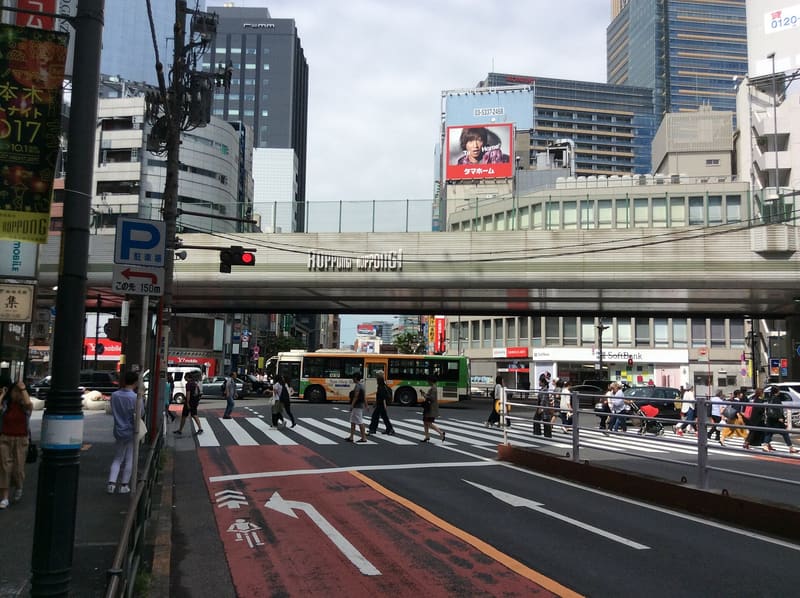
The Roppongi crossing, under the elevated road, cuts the neighbourhood in two: on one side bars and clubs open until dawn for expatriates and off-duty American servicemen, on the other the Mori Art Museum and the National Art Center. The Roppongi Hills and Tokyo Midtown towers, opened in 2003 and 2006, brought offices and Michelin-starred restaurants to the same blocks.
The name, ‘six trees’, dates back to the seventeenth century and recalls six zelkova trees that marked the area: the first three were cut down early on, the last ones burned in the 1945 bombings. Between the nineteenth and twentieth centuries the area housed Imperial Army barracks, and after the war large US military installations, the origin of the expatriate community still present today. From the sixties to the eighties it was Tokyo's disco district; after the market crash of 1989 many venues closed, and the skyline changed with the opening of Roppongi Hills (2003) and Tokyo Midtown (2006).
ℹ️ Roppongi Station (Hibiya and Toei Ōedo lines) and Nogizaka Station (Chiyoda) serve the neighbourhood; from Shinjuku it is 9 minutes on the Toei Ōedo. The Mori Art Museum and the National Art Center have paid exhibitions with their own opening hours; the nightlife venues are concentrated around the crossing and stay open until late.
🚉 Roppongi · 2 min walk
Holidays in Japan? Plan them with us.Over 2,000 real places, a day-by-day itinerary.FreeOpen the map →Sources: en.wikipedia.org · gotokyo.org · itinerary.expert
Nearby
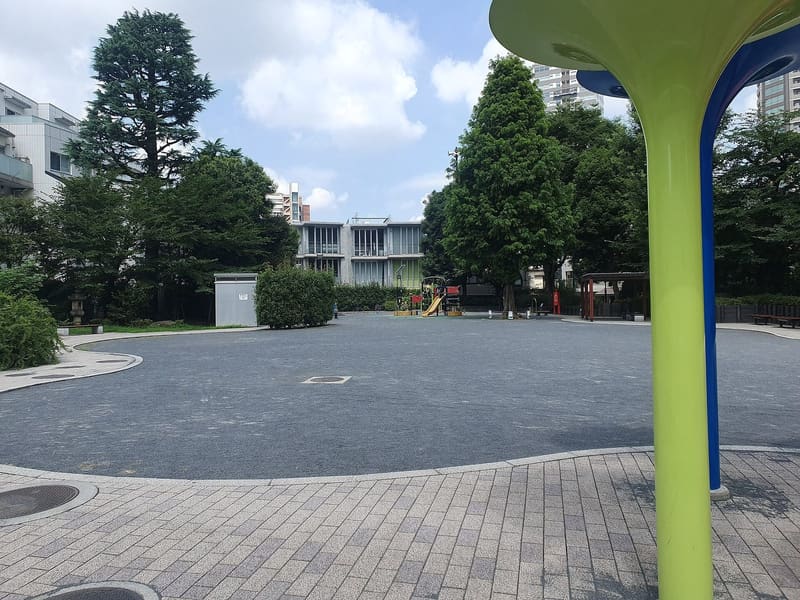 Roppongi Nishi Park300 mphoto by Syced · CC0
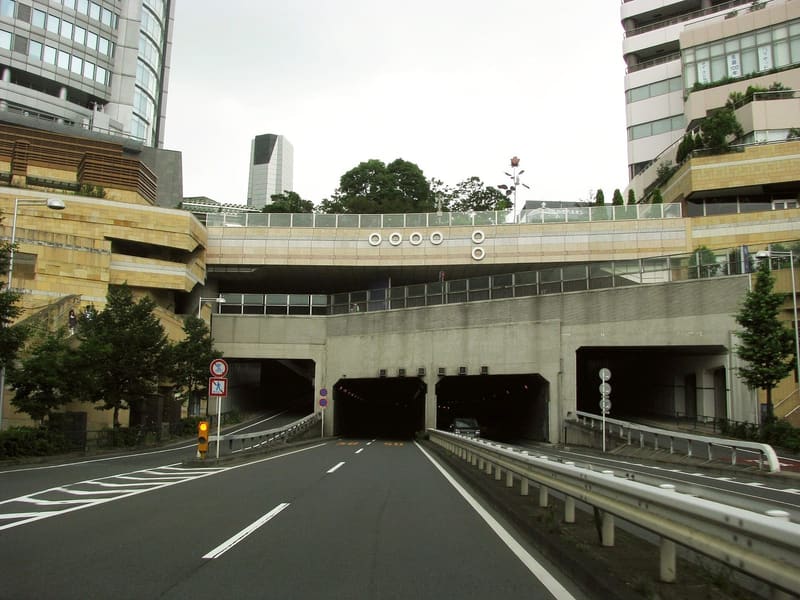 Azabu Tunnel — Roppongi400 mphoto by Aimaimyi · CC BY-SA 3.0
 Mori Art Museum500 mphoto by Charles Deluvio · CC0
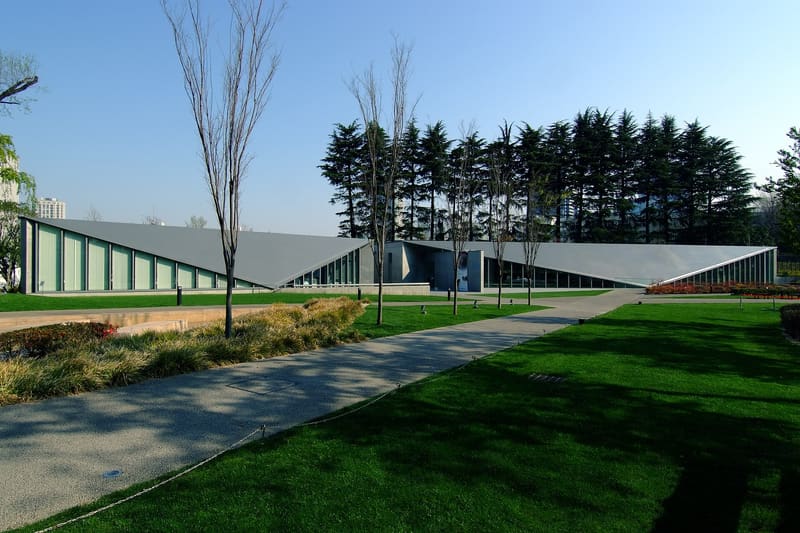 21_21 DESIGN SIGHT500 mphoto by Wiiii · CC BY-SA 3.0