The Anime Trip
🌐 EN ▾
ItalianoEnglish繁體中文(台灣)繁體中文(香港)日本語
PLAN YOUR TRIPMy tripSign in / Sign upSign in / Sign up
Sado Gold Mine (史跡佐渡金山)
photo by 日:Muramasa · CC BY-SA 3.0
Sado Gold Mine (史跡佐渡金山)
photo by ccfarmer · CC BY 3.0

Active from 1601 to 1989: in its peak year, 1940, it produced 1,500 kg of gold.

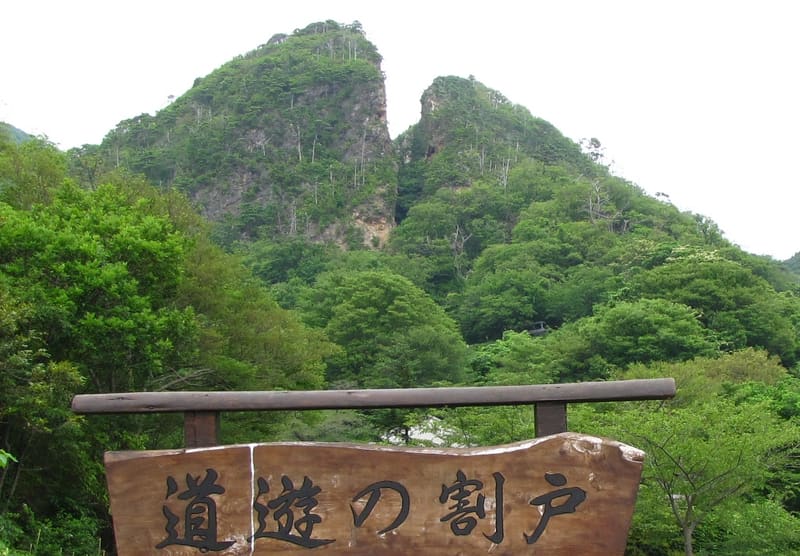
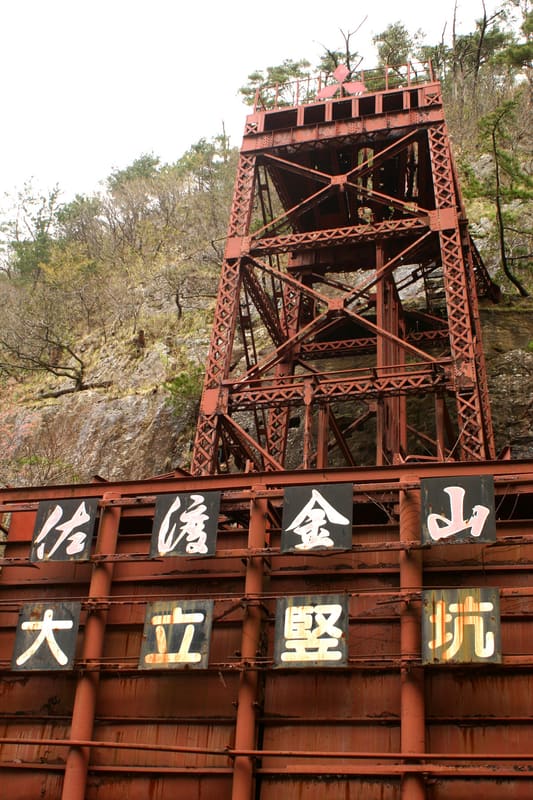
Sōdayū-kō, the route that recreates the work of Edo-period miners with animated mannequins, and Dōyū-kō, the tunnel that follows the twentieth-century excavations up to the great open-air split at the top of Mount Dōyū: these are the two routes open to visitors in the mine, which was active from 1601 to 1989. In 1940, the year of peak production, about 1,500 kg of gold and 25 tonnes of silver were extracted; over almost four centuries of activity the total exceeds 78 tonnes of gold and 2,300 tonnes of silver.

The Sado mines were the main source of gold and silver for the Tokugawa government throughout the Edo period, with a production system organised on an industrial scale between the Aikawa-Tsuruko mines and the Nishimikawa gold mine. The historic site was designated a national Historic Site (史跡) in 1994, and on 27 July 2024 UNESCO inscribed ‘Sado Island Gold Mines’ on the World Heritage List, twenty-seven years after the nomination process began in 1997.

ℹ️ Address: 新潟県佐渡市相川地区, in the Aikawa area at the foot of Mount Dōyū. There are two separate routes, Sōdayū-kō and Dōyū-kō, with single or combined tickets. Check opening hours and prices on the official site or by phone on 0259-74-2389.

🚉 金山茶屋前 · 12 min walk

Holidays in Japan? Plan them with us.Over 2,000 real places, a day-by-day itinerary.FreeOpen the map →

Sources: ja.wikipedia.org · city.sado.niigata.jp · jalan.net

Nearby
All series · Open the map

Sado Gold Mine (史跡佐渡金山)
Open on the mapwith over 1,800 wonders of Japan
Sado Gold Mine (史跡佐渡金山)
photo by 日:Muramasa · CC BY-SA 3.0
Sado Gold Mine (史跡佐渡金山)
photo by ccfarmer · CC BY 3.0

Active from 1601 to 1989: in its peak year, 1940, it produced 1,500 kg of gold.

Sōdayū-kō, the route that recreates the work of Edo-period miners with animated mannequins, and Dōyū-kō, the tunnel that follows the twentieth-century excavations up to the great open-air split at the top of Mount Dōyū: these are the two routes open to visitors in the mine, which was active from 1601 to 1989. In 1940, the year of peak production, about 1,500 kg of gold and 25 tonnes of silver were extracted; over almost four centuries of activity the total exceeds 78 tonnes of gold and 2,300 tonnes of silver.

The Sado mines were the main source of gold and silver for the Tokugawa government throughout the Edo period, with a production system organised on an industrial scale between the Aikawa-Tsuruko mines and the Nishimikawa gold mine. The historic site was designated a national Historic Site (史跡) in 1994, and on 27 July 2024 UNESCO inscribed ‘Sado Island Gold Mines’ on the World Heritage List, twenty-seven years after the nomination process began in 1997.

ℹ️ Address: 新潟県佐渡市相川地区, in the Aikawa area at the foot of Mount Dōyū. There are two separate routes, Sōdayū-kō and Dōyū-kō, with single or combined tickets. Check opening hours and prices on the official site or by phone on 0259-74-2389.

🚉 金山茶屋前 · 12 min walk

Holidays in Japan? Plan them with us.Over 2,000 real places, a day-by-day itinerary.FreeOpen the map →

Sources: ja.wikipedia.org · city.sado.niigata.jp · jalan.net

Nearby