
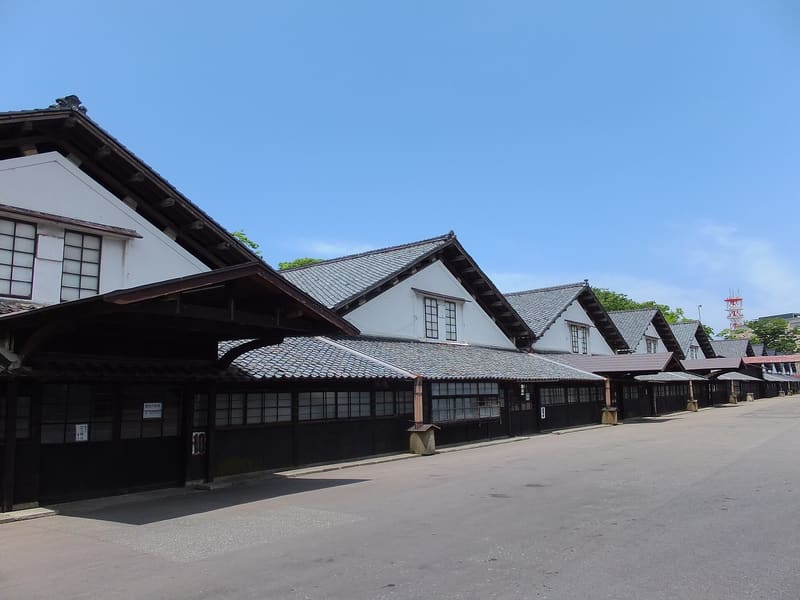
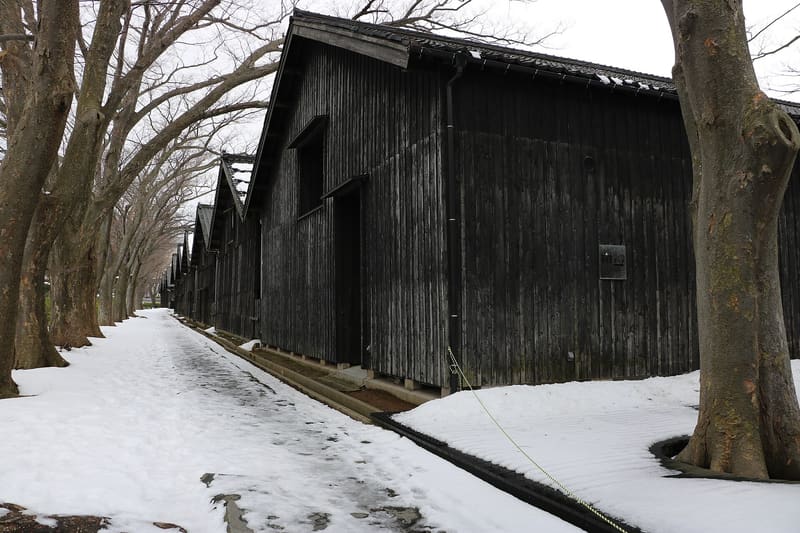
Twelve rice warehouses from 1893, with a double roof for air and a screen of zelkova trees.
The twelve white warehouses, built in 1893 by the Sakai family, former feudal lords, could store 10,800 tonnes of rice: the double-layered roof created an air gap that regulated the temperature, while the row of zelkovas planted at the back gave shelter from the summer sun and from the winds off the Sea of Japan. Nine of the twelve remained in use as agricultural warehouses until autumn 2022.
A complex of rice warehouses built in 1893 as an auxiliary facility of the Sakata Rice Exchange: the ‘Sankyō rice’ produced here was recognised as the best in Japan in the central markets. Owned by the city of Sakata since 2022, a National Historic Site since March 2021.
ℹ️ The outdoor area and the row of zelkovas are freely accessible at any time. The information centre in building 12, open since 14 April 2025, can be visited 9:00–16:30, free entry.
🚉 Sakata · 21 min walk
Holidays in Japan? Plan them with us.Over 2,000 real places, a day-by-day itinerary.FreeOpen the map →Sources: city.sakata.lg.jp · pref.yamagata.jp
Nearby
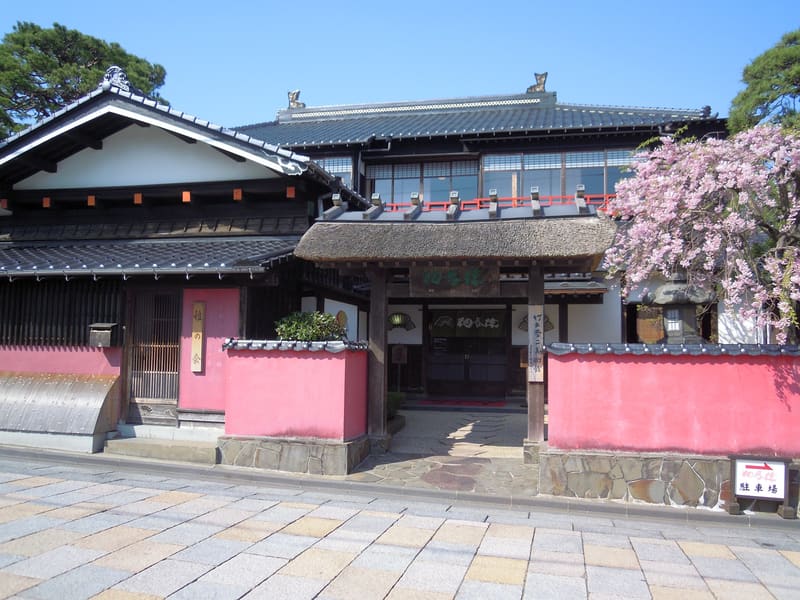 Sōmarō1000 mphoto by Yauchi · CC BY-SA 4.0
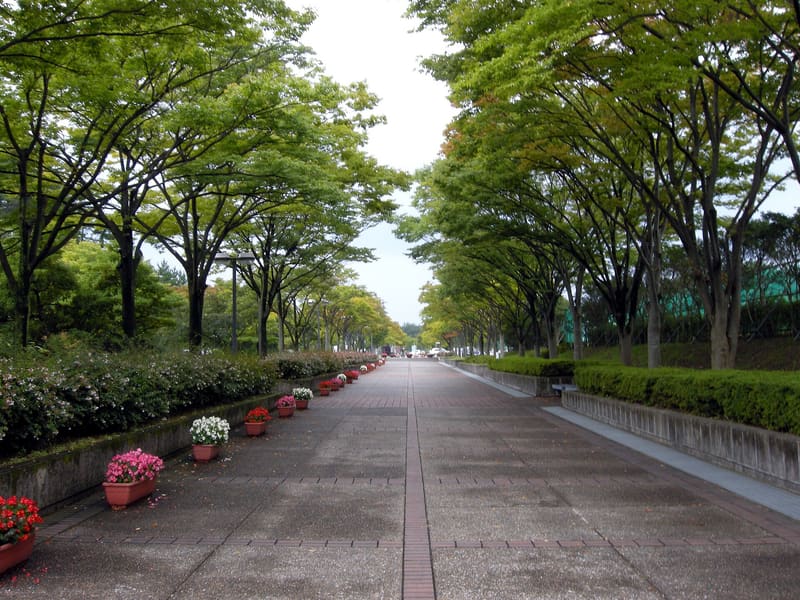 Domon Ken Photography Museum2.5 kmphoto by contri from Yonezawa-Shi, Yamagata, Japan · CC BY-SA 2.0
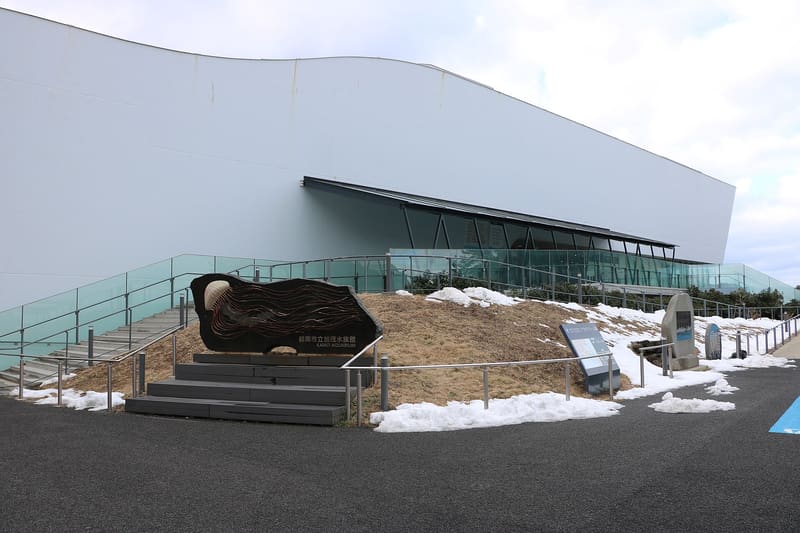 Kamo Aquarium19.3 kmphoto by さかおり · CC BY-SA 4.0