
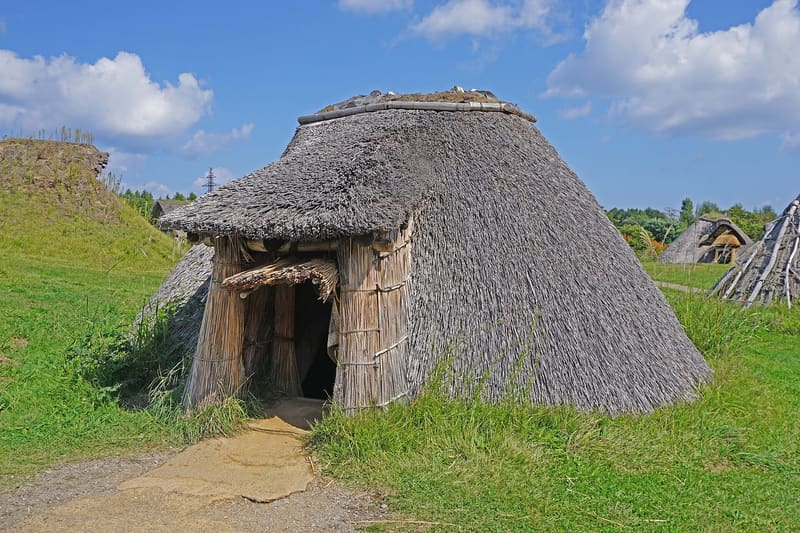
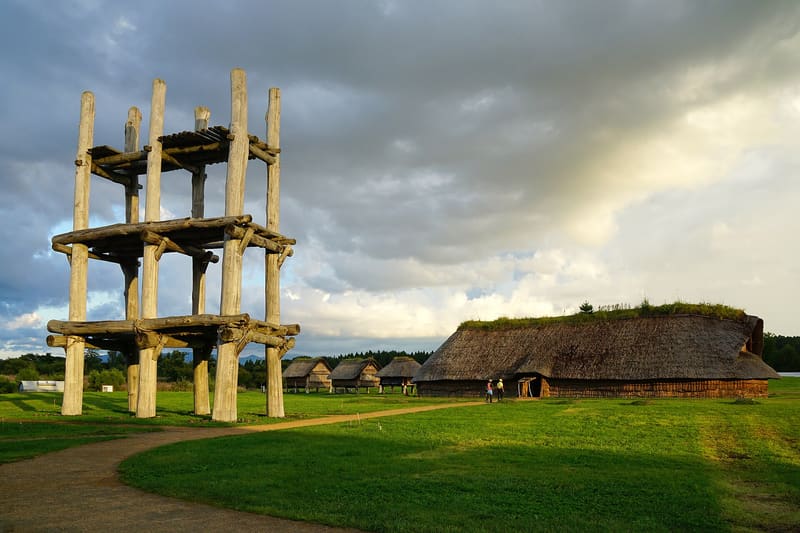
Over 2,000 dogū figurines have come out of here: the highest number from a single site in Japan.
The Jōmon village was inhabited for about 1,700 years, from 3900 to 2200 BC: excavations have yielded over 2,000 dogū figurines (the highest number ever found at a single site in Japan) together with a communal grave 32 metres long. The large reconstructed six-pillar building uses chestnut trunks one metre in diameter, sunk two metres into the ground and spaced exactly 4.2 metres apart, a module that repeats in multiples of 35 centimetres throughout the settlement.
A lowland Jōmon settlement, brought to light from 1992 onwards during preliminary excavations for a stadium that was never built. Special Historic Site since 24 November 2000, and a component of the UNESCO World Heritage Site ‘Jōmon Prehistoric Sites in Northern Japan’ since 2021.
ℹ️ Open 9:00–17:00 (October–May) or 9:00–18:00 (Golden Week and June–September), last entry 30 minutes before closing; closed on the fourth Monday of the month (or the following day if it is a public holiday) and from 30 December to 1 January. Admission: adults 500 yen, university students 250 yen, free for high school students and younger. By bus, about 20 minutes from JR Aomori Station (city bus no. 6, towards Sannai-Maruyama).
🚉 ShinAomoriEki Minamiguchi · 33 min walk
Holidays in Japan? Plan them with us.Over 2,000 real places, a day-by-day itinerary.FreeOpen the map →Sources: sannaimaruyama.pref.aomori.jp · sannaimaruyama.pref.aomori.jp · jomon-japan.jp · ja.wikipedia.org
Nearby
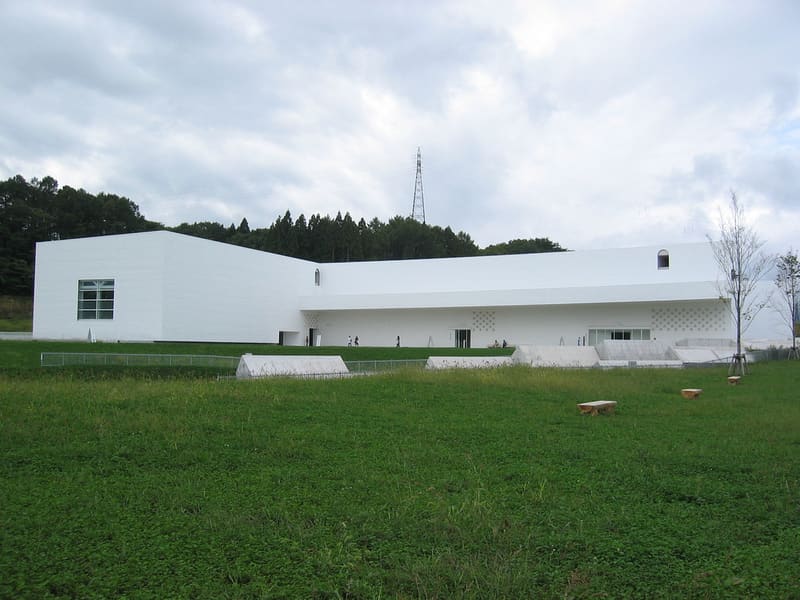 Aomori Prefectural Museum of Art500 mphoto by Angaurits · CC BY-SA 3.0
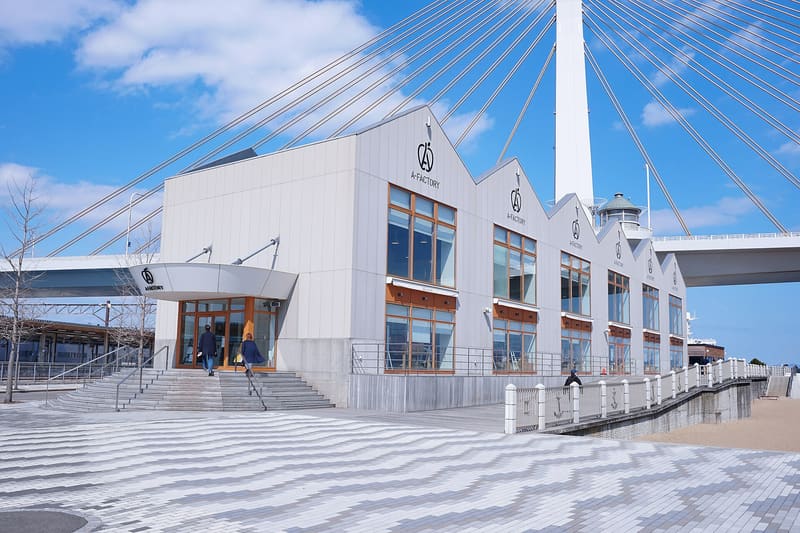 A-FACTORY3.8 kmphoto by 掬茶 · CC BY-SA 4.0
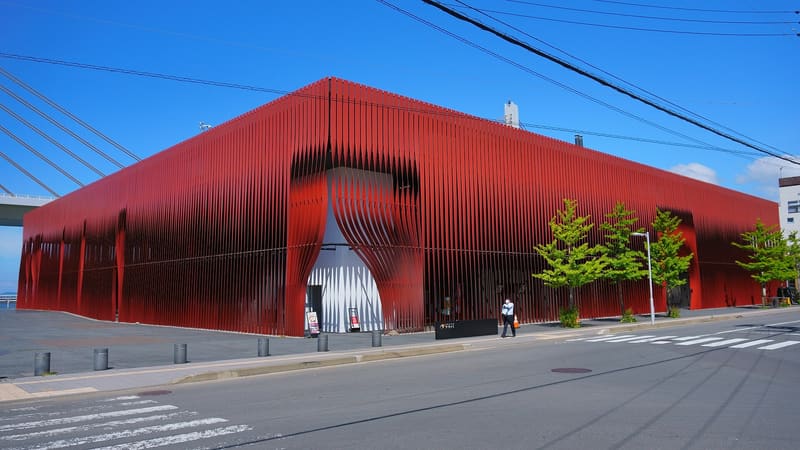 Nebuta no Ie Wa-Rasse3.8 kmphoto by 掬茶 · CC BY-SA 4.0
 Hakkōda-maru Memorial Ship — Seikan train ferry4 kmphoto by MaedaAkihiko · CC BY-SA 4.0