
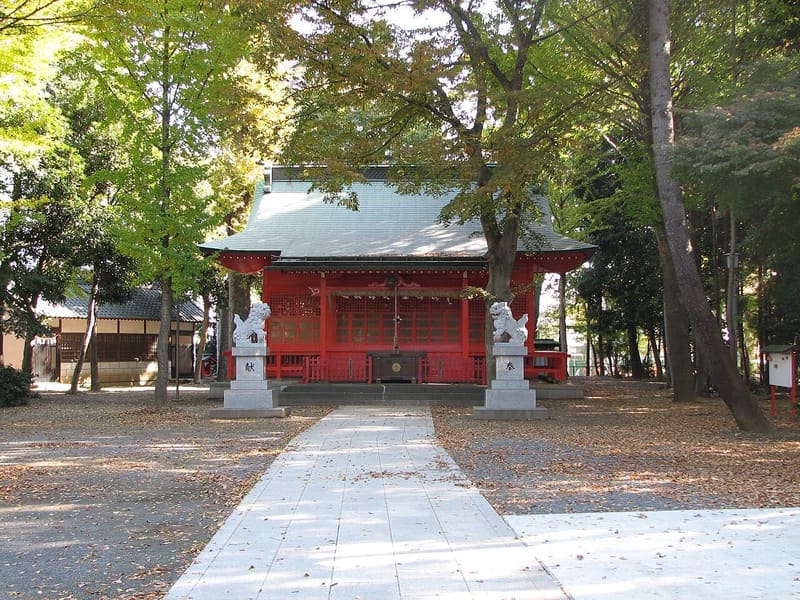
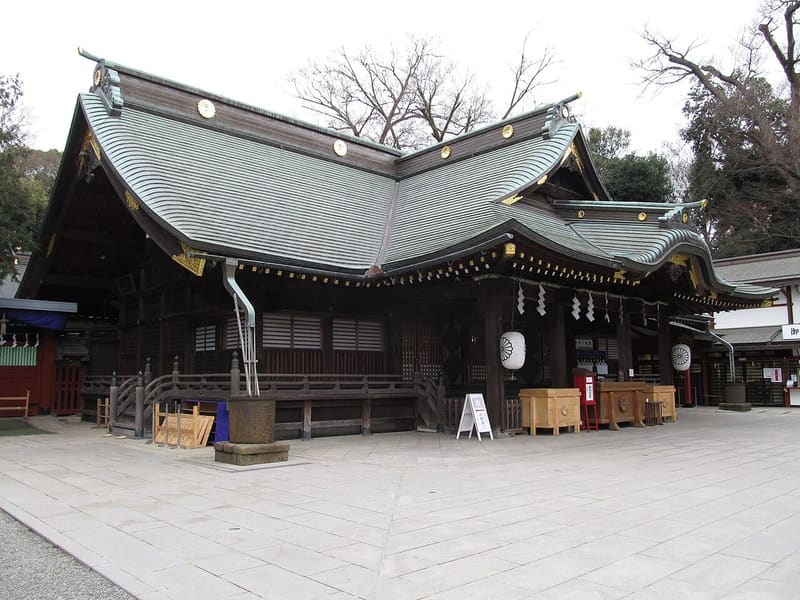
Tradition places its founding in the eighteenth year of Emperor Annei. It enshrines Seoritsuhime-no-ōkami, the deity who washes away sins and impurities with the river's current, and Amenoshitaharu-no-ōkami, ancestor of the settlers of Musashi. The name comes from ‘Ono no sato’, as the place was called in ancient times. In 884 it received the rank of shōgoi-jō, and when the Sōja Rokusho-gū was founded it was given first place in the eastern pavilion: hence the title of ichi-no-miya of Musashi.
ℹ️ Grounds always accessible. The themed items are no longer available.
🚉 Seiseki-sakuragaoka · 9 min walk
Holidays in Japan? Plan them with us.Over 2,000 real places, a day-by-day itinerary.FreeOpen the map →My Happy Marriage
It is not a setting: the shrine was one of the six places of worship (three in Tokyo, three in Kyoto) in the official collaboration ‘わたしの幸せな良縁結び’, from 16 November to 15 December 2023, with omamori, goshuinchō and goshuin dedicated to Miyo and Kiyoka. The initiative has ended, and the omamori and goshuin were never sold online.
Sources: prtimes.jp · presswalker.jp
Nearby
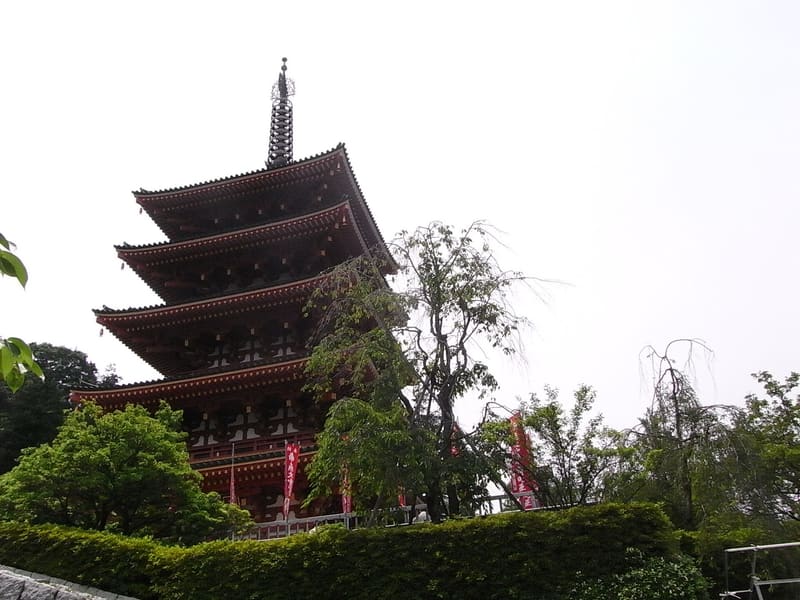 Takahata Fudōson, Kongō-ji3 kmphoto by 江戸村のとくぞう (Edomura no Tokuzo) · CC BY-SA 4.0
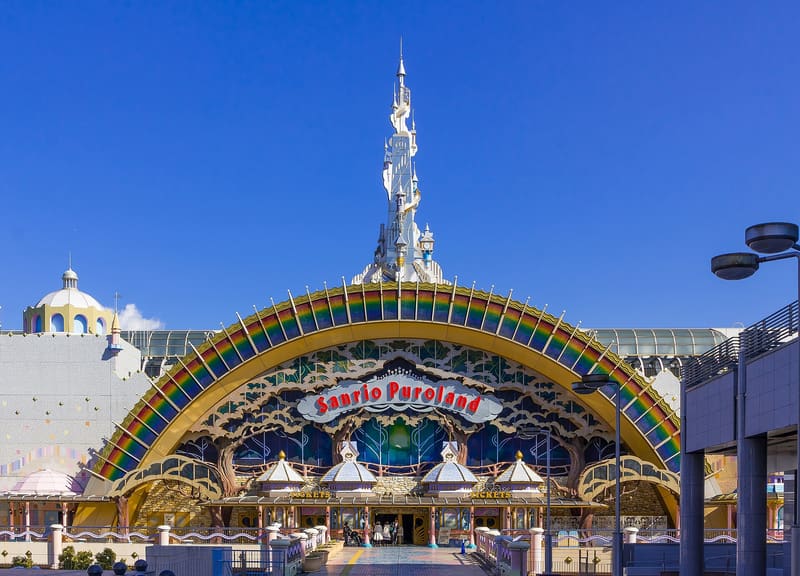 Sanrio Puroland3.4 kmphoto by Kakidai · CC BY-SA 4.0
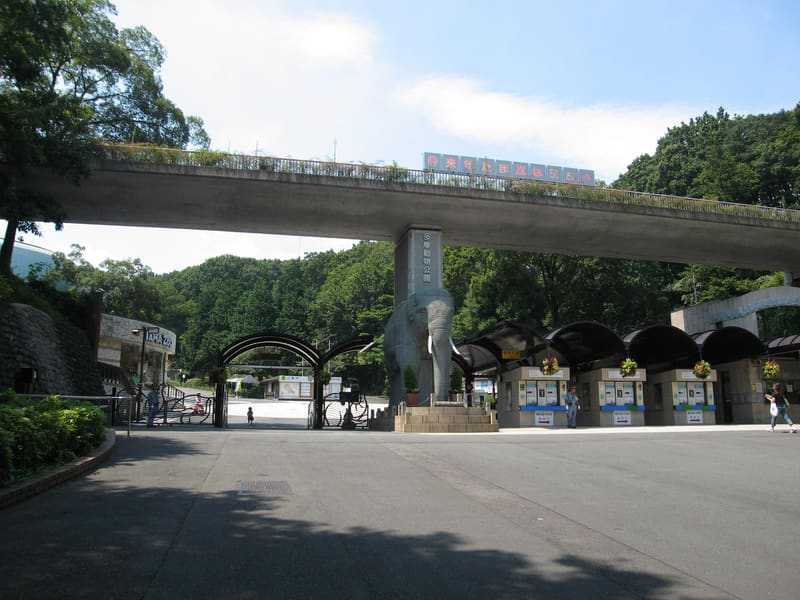 Tama Zoo3.6 kmphoto by Dddeco at Japanese Wikipedia · CC BY-SA 3.0
 Okunitama Shrine — Fuchu3.7 kmphoto by Fuchu · CC BY-SA 4.0