
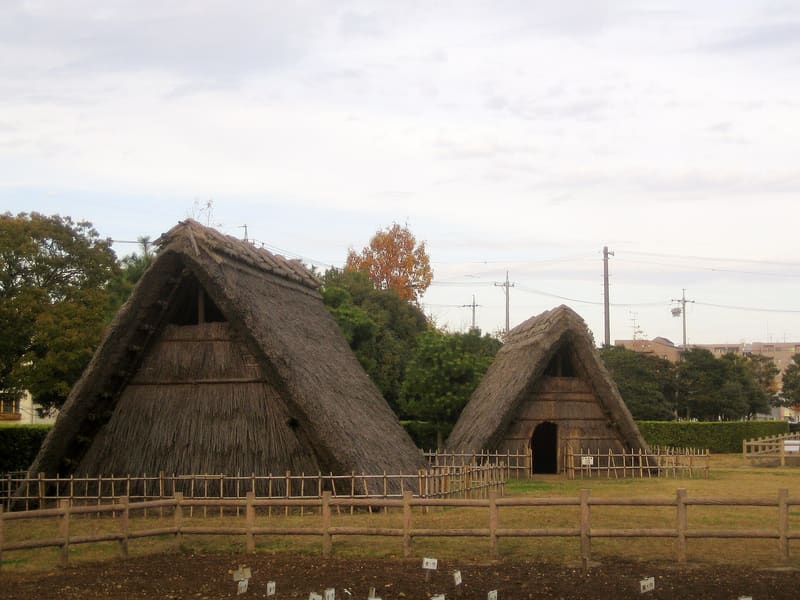
A Jōmon settlement (Japanese prehistory), a National Historic Site since 13 May 1959.
The archaeological park preserves the traces of a village from the Jōmon period, the oldest phase of Japanese prehistory: reconstructed huts mark where the original dwellings stood, but you cannot go inside them. On the edge of the park is the Hamamatsu Museum, which displays the finds excavated here. One review recommends visiting the two together, and notes that the car park fills up in cherry blossom season.
The site takes its name from the shell mounds (貝塚, kaizuka – here 蜆塚, shijimizuka, after the small shijimi clam, over 90% of the shells found) left by the inhabitants of the Jōmon village that stood on this rise. The Japanese government designated it a National Historic Site (史跡) on 13 May 1959. The Hamamatsu Museum, on the edge of the park, displays the material from the excavation.
ℹ️ The archaeological park is in the open air, and no source mentions a ticket. The Hamamatsu Museum costs 310 yen for adults and 150 for high school students, free up to junior high; temporary exhibitions may have a separate charge. The admission fees page does not give the museum's opening hours or closing days. You cannot go inside the reconstructed huts.
🚉 北高西 · 19 min walk
Holidays in Japan? Plan them with us.Over 2,000 real places, a day-by-day itinerary.FreeOpen the map →Sources: city.hamamatsu.shizuoka.jp · city.hamamatsu.shizuoka.jp
Nearby
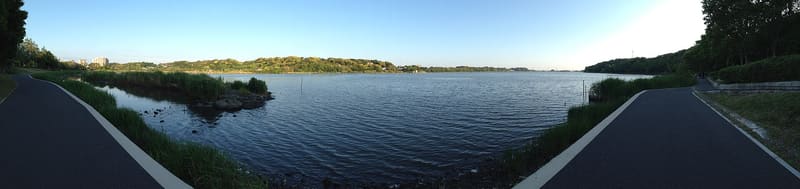 Lake Sanaru Park1.4 kmphoto by Jfr0595 · CC BY-SA 3.0
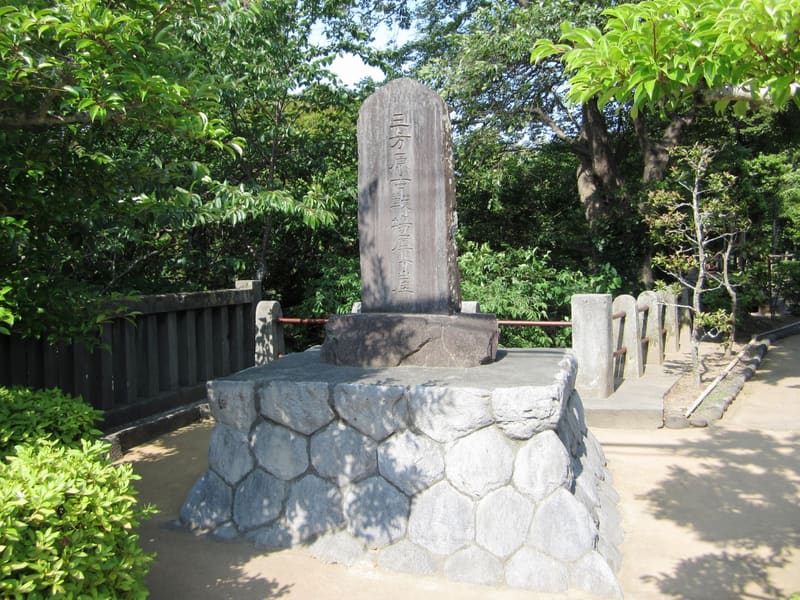 Saigagake: battlefield and archive hall1.6 kmphoto by 立花左近 · CC BY-SA 3.0
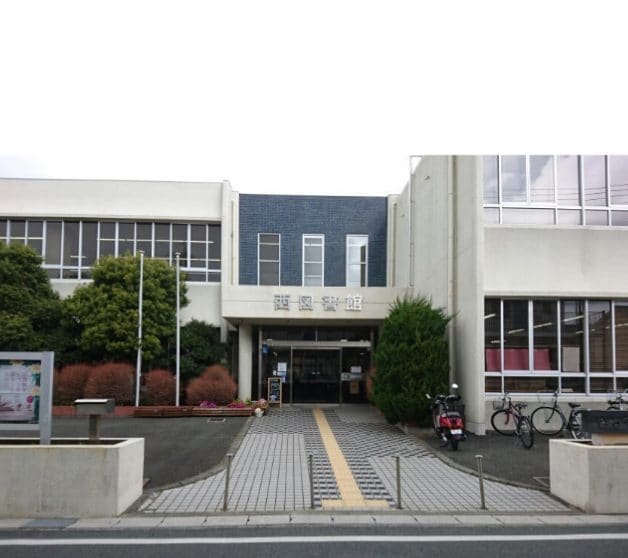 Hamamatsu Nishi Library1.7 km
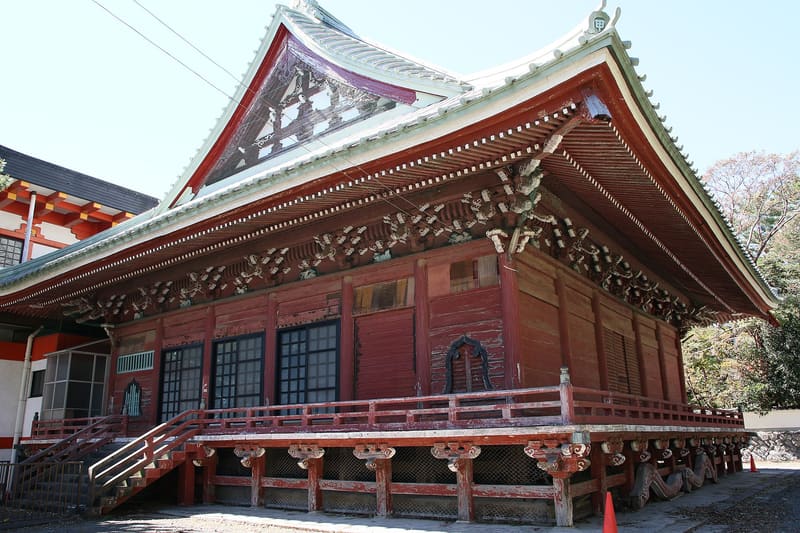 Kamoe-ji, Kamoe Kannon1.8 kmphoto by 小池 隆 (Takashi Koike) · CC BY 3.0