
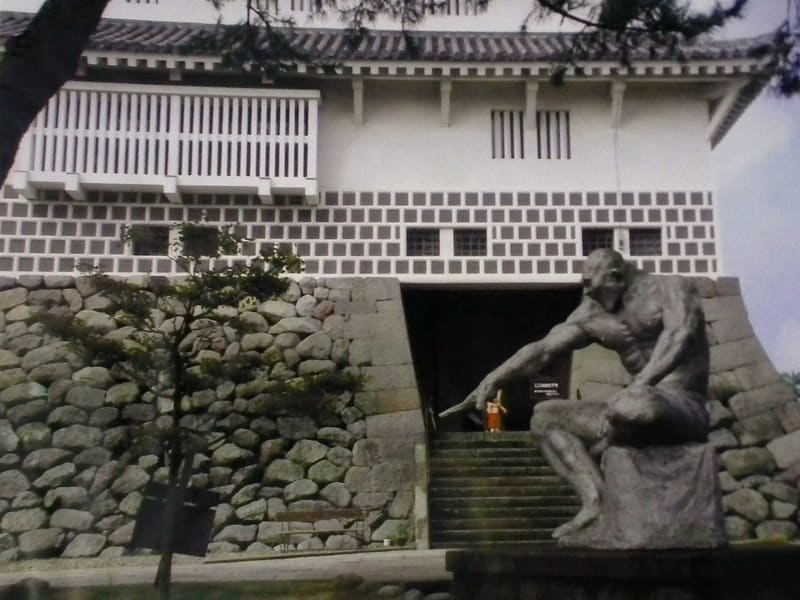
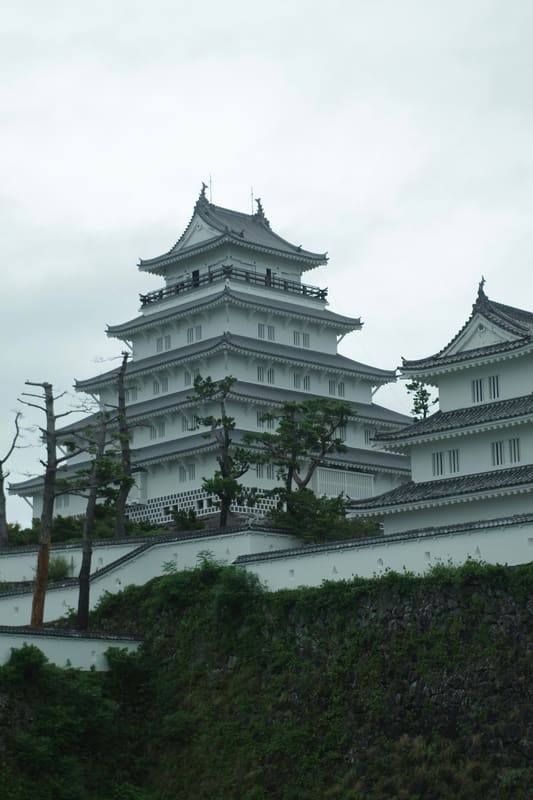
The taxes imposed by the man who built it in 1624 sparked the revolt of 1637–38.
Built from 1624 by the daimyo Matsukura Shigemasa, the castle, and the taxes imposed to build it, together with the religious repression of his son and heir Katsuie, sparked the Shimabara revolt of 1637–38, the largest armed uprising of Edo-period Japan; Katsuie was beheaded for his responsibility.
Demolished in 1876 after the Meiji Restoration, the present tenshu is a 1964 reinforced-concrete reconstruction that houses the domain's historical collections.
ℹ️ Open 9:00–17:30 (last entry 17:00), all year round with no closures. Ticket: adults ¥700, students ¥350; groups of 15 people and people with disabilities ¥560/¥280. 10 minutes’ walk from Shimabara Station.
🚉 Shimabara · 13 min walk
Holidays in Japan? Plan them with us.Over 2,000 real places, a day-by-day itinerary.FreeOpen the map →Sources: ja.wikipedia.org · shimabarajou.com
Nearby
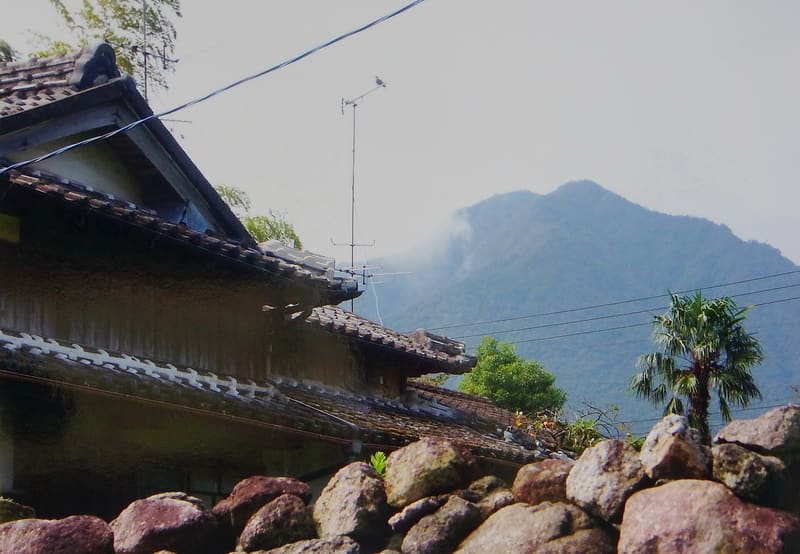 Shimabara Samurai District400 mphoto by lienyuan lee · CC BY 3.0
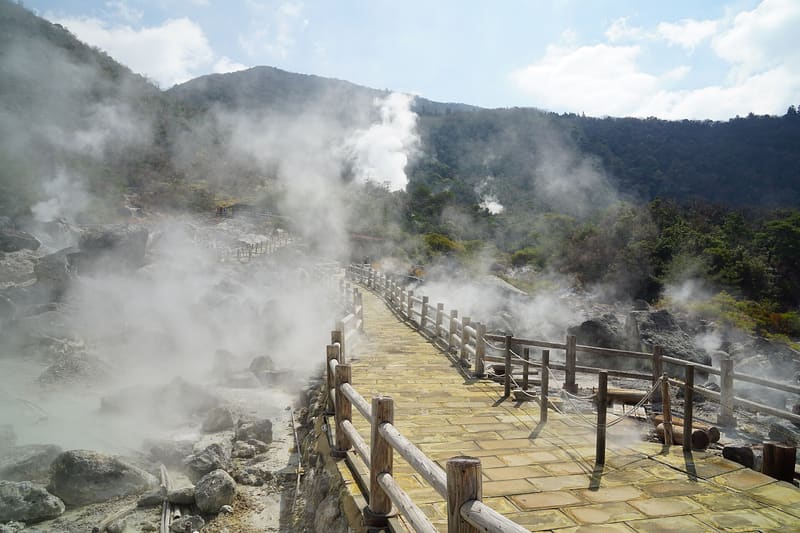 Unzen Jigoku11.3 kmphoto by 663highland · CC BY 2.5