The Anime Trip
🌐 EN ▾
ItalianoEnglish繁體中文(台灣)繁體中文(香港)日本語
PLAN YOUR TRIPMy tripSign in / Sign upSign in / Sign up

Aichi

Shirakabe, Chikaramachi and Shumoku

白壁・主税・橦木町並み保存地区

Open on the mapwith over 1,800 wonders of Japan

Shirakabe, Chikaramachi and Shumoku (白壁・主税・橦木町並み保存地区)
photo by Ishida623 · CC0
Shirakabe, Chikaramachi and Shumoku (白壁・主税・橦木町並み保存地区)
photo by 円周率3パーセント · CC BY-SA 4.0

Fourteen hectares of boundary walls and pre-war villas behind Nagoya Castle.

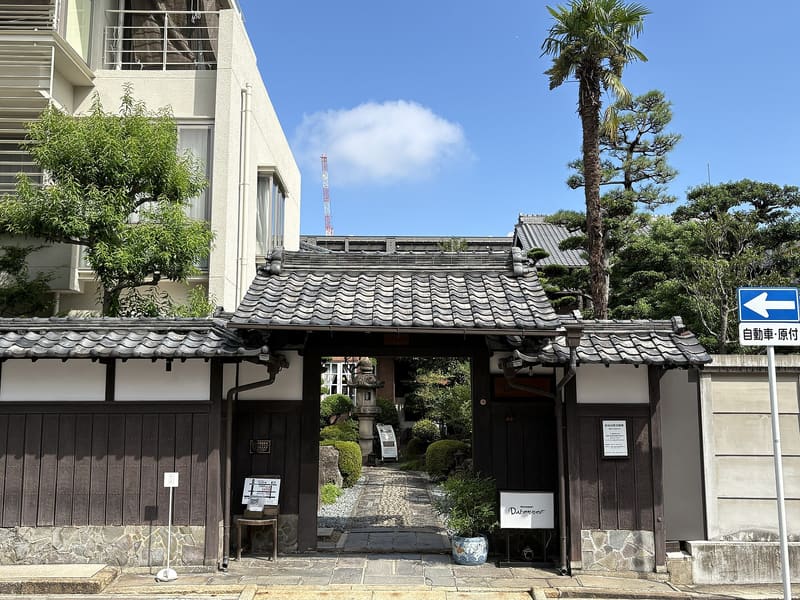
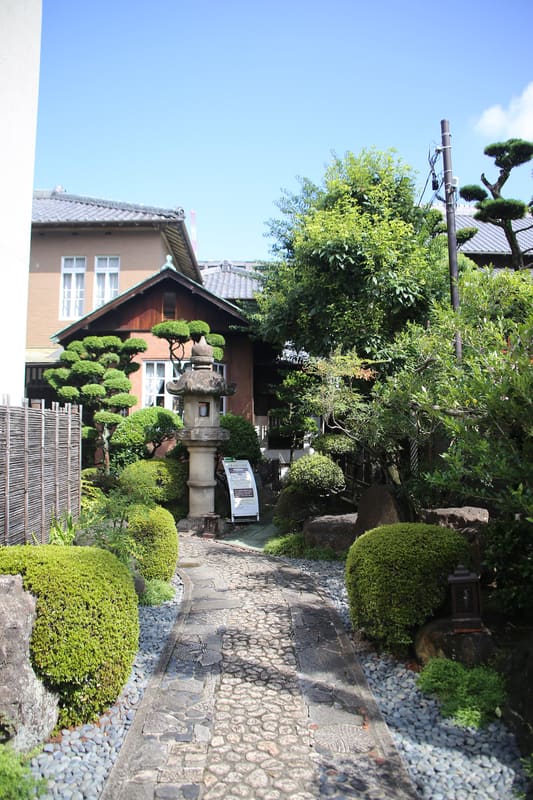
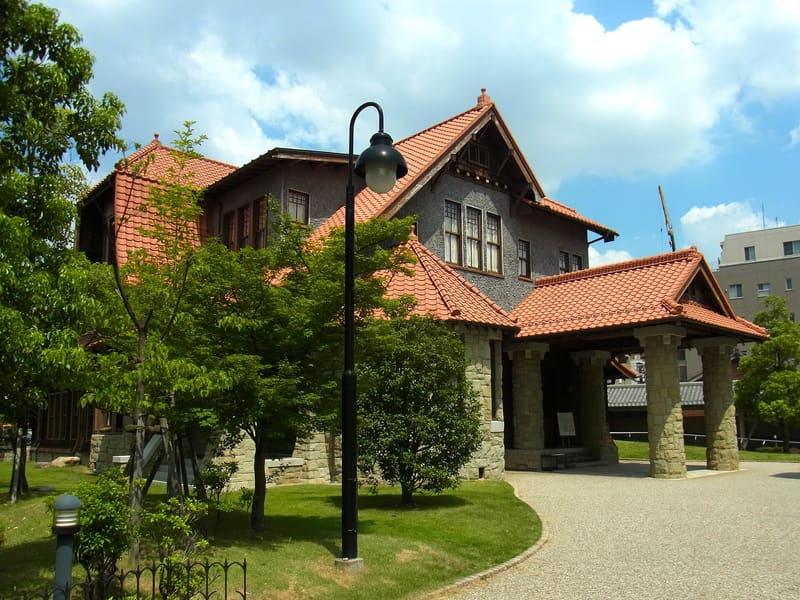
Three parallel streets, and on each one the same sequence: a gateway, a wall topped with tiles, a tree leaning out over the wall. Behind them are the houses that ceramics merchants had built for themselves between the two wars, some Japanese, some with Western-style bay windows. The municipality has bought four of them and opens them to the public; people live in the others, and you look at them from the street.

In the Edo period the houses of middle-ranking samurai stood east of Nagoya Castle, and the plot layout of that time can still be recognised in the streets. After 1868 the district took up a new trade: the road to Seto, the city of porcelain, was easy to reach from here, and Shirakabe became the centre of the pottery trade. Between the nineteen-tens and the nineteen-thirties export merchants and leading names in local industry moved here and built fine houses, some Japanese and others Western-style, often both in the same building. In May 1985 the municipality protected 14.3 hectares as a townscape preservation district, along the three axes of Shirakabe, Chikaramachi and Shumoku. The municipality calls the wider corridor that runs from the castle to the Tokugawa Garden, and takes in this district, ‘the Cultural Path’.

ℹ️ Fifteen minutes’ walk from Nagoyajō Station on the Meijō Line; the Meguru sightseeing bus has a stop at each end of the district. Walking around is free and there is no need to book: a good hour for the three streets, plus the time for whatever you visit inside. The houses open to the public are closed on Mondays and from 29 December to 3 January. The Shumokukan, a ceramics merchant's residence with a Western-style house, a Japanese-style house, a tea room and two storehouses, is open from 10:00 to 17:00 and costs 200 yen; for 320 yen you can also get into the Futaba-kan, which is a few minutes’ walk away. People live in this district: the gateways and gardens are to be looked at from the street, and you walk through the alleys quietly.

🚉 Shimizu · 12 min walk

Holidays in Japan? Plan them with us.Over 2,000 real places, a day-by-day itinerary.FreeOpen the map →

Sources: city.nagoya.jp · nagoya-info.jp · city.nagoya.jp

Nearby
All series · Open the map

Shirakabe, Chikaramachi and Shumoku (白壁・主税・橦木町並み保存地区)
Open on the mapwith over 1,800 wonders of Japan
Shirakabe, Chikaramachi and Shumoku (白壁・主税・橦木町並み保存地区)
photo by Ishida623 · CC0
Shirakabe, Chikaramachi and Shumoku (白壁・主税・橦木町並み保存地区)
photo by 円周率3パーセント · CC BY-SA 4.0

Fourteen hectares of boundary walls and pre-war villas behind Nagoya Castle.

Three parallel streets, and on each one the same sequence: a gateway, a wall topped with tiles, a tree leaning out over the wall. Behind them are the houses that ceramics merchants had built for themselves between the two wars, some Japanese, some with Western-style bay windows. The municipality has bought four of them and opens them to the public; people live in the others, and you look at them from the street.

In the Edo period the houses of middle-ranking samurai stood east of Nagoya Castle, and the plot layout of that time can still be recognised in the streets. After 1868 the district took up a new trade: the road to Seto, the city of porcelain, was easy to reach from here, and Shirakabe became the centre of the pottery trade. Between the nineteen-tens and the nineteen-thirties export merchants and leading names in local industry moved here and built fine houses, some Japanese and others Western-style, often both in the same building. In May 1985 the municipality protected 14.3 hectares as a townscape preservation district, along the three axes of Shirakabe, Chikaramachi and Shumoku. The municipality calls the wider corridor that runs from the castle to the Tokugawa Garden, and takes in this district, ‘the Cultural Path’.

ℹ️ Fifteen minutes’ walk from Nagoyajō Station on the Meijō Line; the Meguru sightseeing bus has a stop at each end of the district. Walking around is free and there is no need to book: a good hour for the three streets, plus the time for whatever you visit inside. The houses open to the public are closed on Mondays and from 29 December to 3 January. The Shumokukan, a ceramics merchant's residence with a Western-style house, a Japanese-style house, a tea room and two storehouses, is open from 10:00 to 17:00 and costs 200 yen; for 320 yen you can also get into the Futaba-kan, which is a few minutes’ walk away. People live in this district: the gateways and gardens are to be looked at from the street, and you walk through the alleys quietly.

🚉 Shimizu · 12 min walk

Holidays in Japan? Plan them with us.Over 2,000 real places, a day-by-day itinerary.FreeOpen the map →

Sources: city.nagoya.jp · nagoya-info.jp · city.nagoya.jp

Nearby