
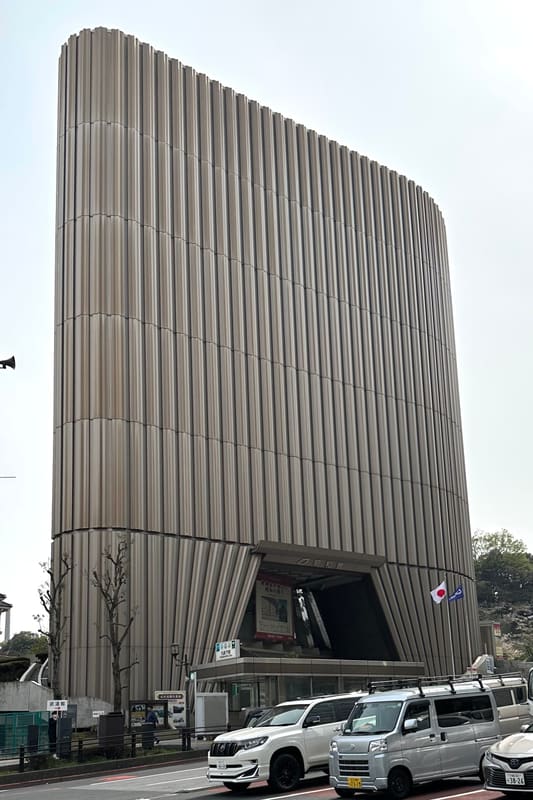
Founded in 1999 after years of requests from the families of the war dead
On the sixth and seventh floors, about 400 of the collection's 64,000 objects are displayed in rotation (the last change, 210 pieces, was at the end of June 2026): not weapons or battles, but ration cards, letters, post-war household appliances. The ground floor, with a library and an audiovisual archive, has free entry.
The museum opened on 27 March 1999, after years of requests from the Japan War-Bereaved Families Association (日本遺族会), which still runs it today on behalf of the Ministry of Health, Labour and Welfare. Its stated purpose is to pass on to future generations the hardships of everyday Japanese life between about 1935 and the sixties (rationing, reconstruction, the decade of the economic boom), not the military operations, which remain outside its remit: among the objects on display are also the ‘three sacred treasures’ of the post-war years (television, refrigerator and washing machine), so called as a joke after the imperial treasures. The building was designed by the architect Kikutake Kiyonori.
ℹ️ Open 10:00–17:30 (last entry 17:00), closed on Mondays and from 28 December to 4 January. Ground floor free; permanent galleries (floors 6–7) 400 yen adults, 360 over-65s, 200 students, free up to junior high. Kudanshita station, exit 4, one minute on foot. Paid car park, 200 yen per 30 minutes.
🚉 Kudanshita · 1 min walk
Holidays in Japan? Plan them with us.Over 2,000 real places, a day-by-day itinerary.FreeOpen the map →Sources: showakan.go.jp · showakan.go.jp · ja.wikipedia.org
Nearby
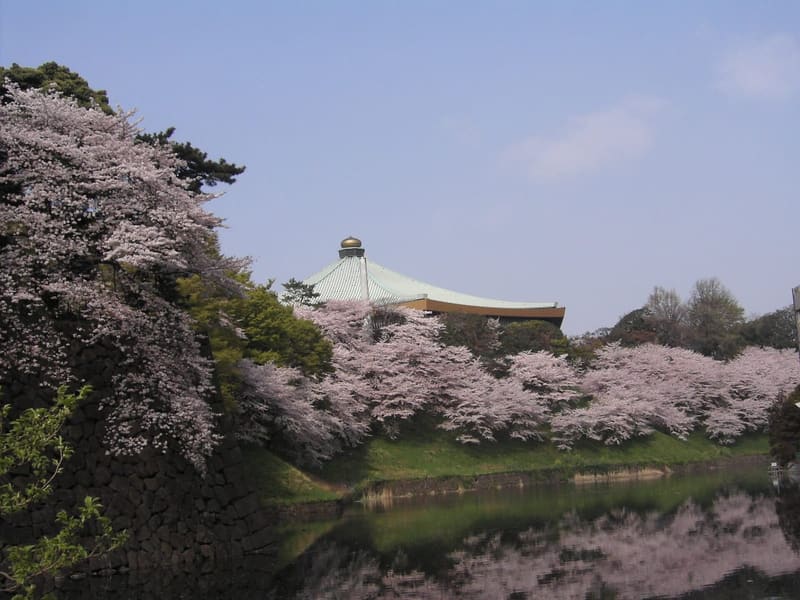 Shimizu Gate and Ushigafuchi Moat300 mphoto by chatani · CC BY 3.0
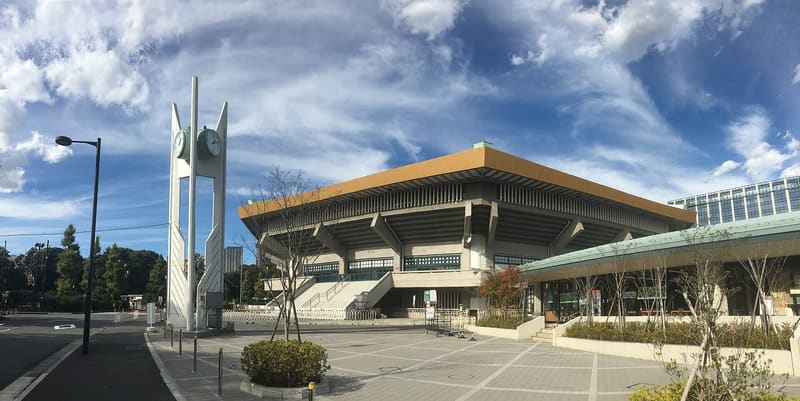 Kitanomaru Park400 mphoto by Nesnad · CC BY 4.0
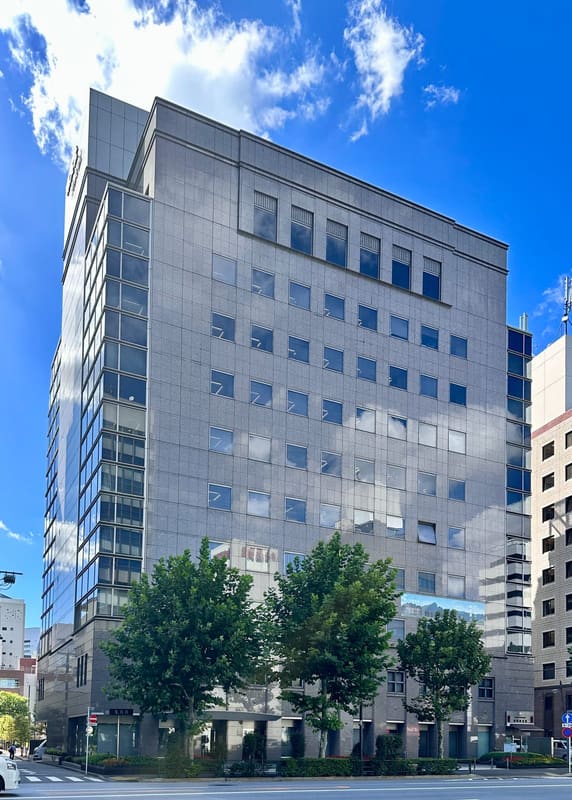 Shūeisha Jinbōchō 3-chōme Building400 m
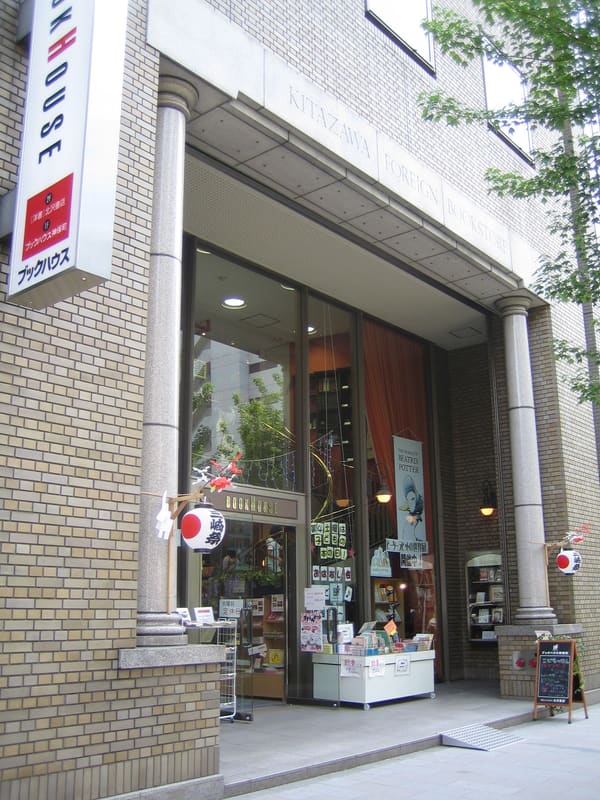 Jinbōchō, the book town600 mphoto by Lombroso · Public domain