
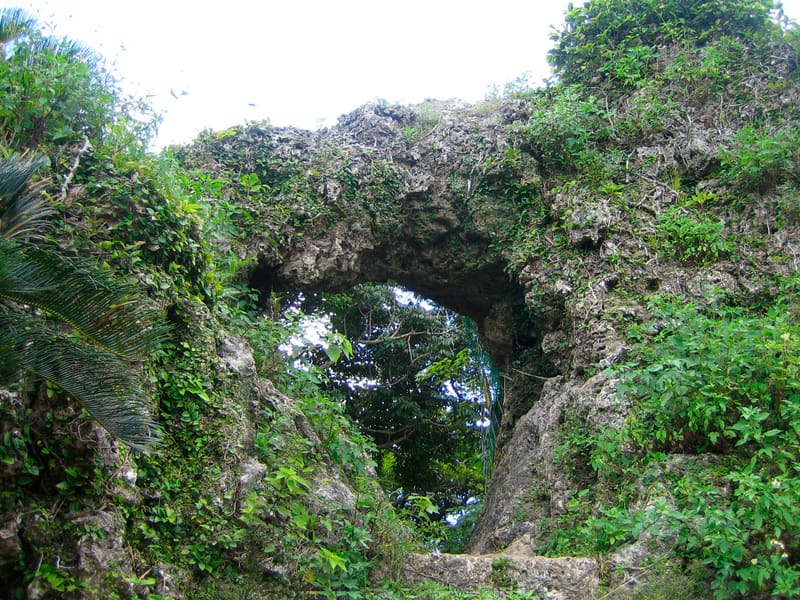
The gate of the main enclosure is carved out of a single boulder.
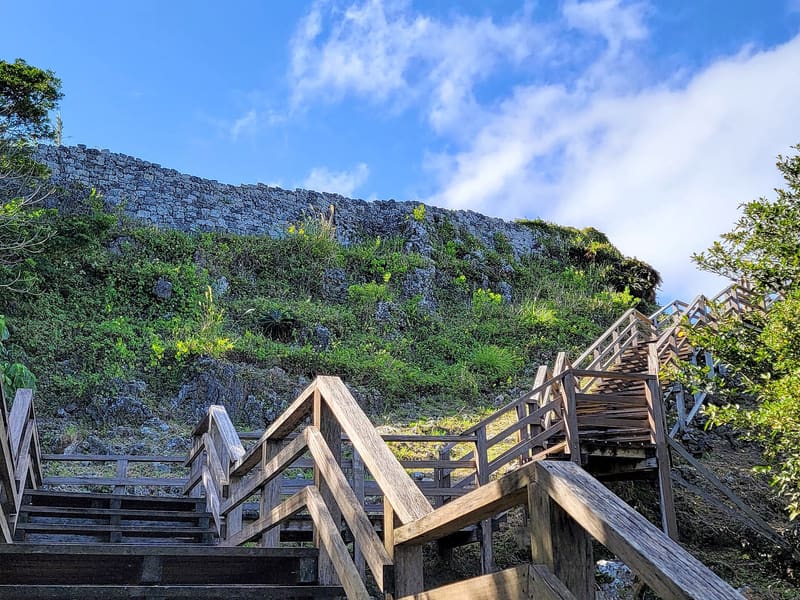
What remains of the castle is the wall of the main enclosure, almost complete, and the paving. The gate is not built: it is made by hollowing out a single natural boulder, and you walk through it. Of the other two enclosures almost nothing is left, and the reason is documented: under the American occupation those walls were demolished and the stone ended up in the military bases.
A gusuku on the Tamagusuku hill, in Nanjō. Tradition attributes it to Amamikyo, the founding deity of the Ryūkyū, and to the deity's descendants; the masonry dates it to about six hundred years ago. It has been a National Historic Site since 21 August 1987.
ℹ️ Outdoors, open at all times and free. ⚠️ The car park is a grassy clearing beside the hill, and people who have been there warn you not to take the direct grassy path but to use the wooden steps on the opposite side. From the top, part of the view is taken up by a golf course.
🚉 カチャ原 · 16 min walk
Holidays in Japan? Plan them with us.Over 2,000 real places, a day-by-day itinerary.FreeOpen the map →Sources: online.bunka.go.jp · okinawa.stripes.com
Nearby
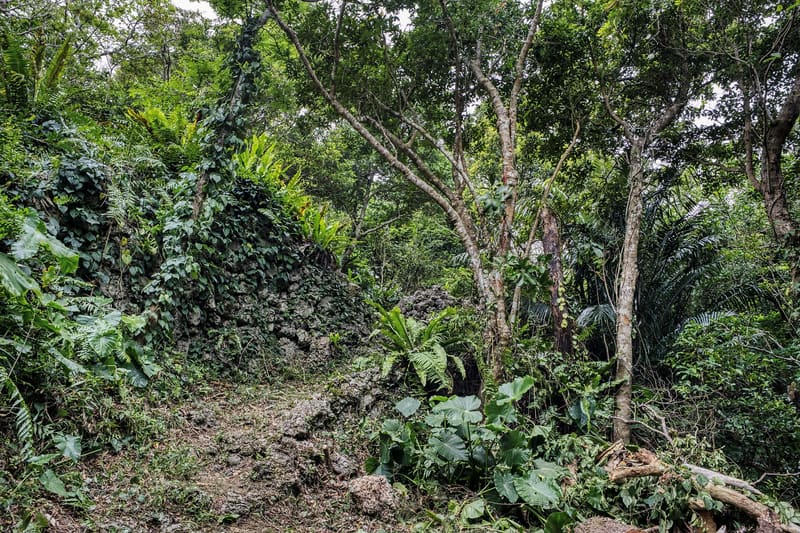 Kakinohana Castle Ruins1.3 kmphoto by Bryan Tan · CC BY-SA 4.0
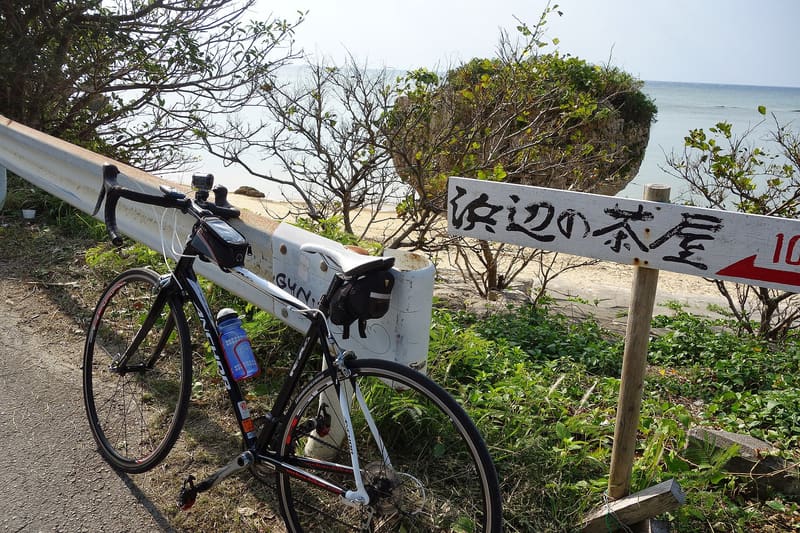 Mībaru Beach1.4 kmphoto by Toshihiro Matsui · CC BY-SA 3.0
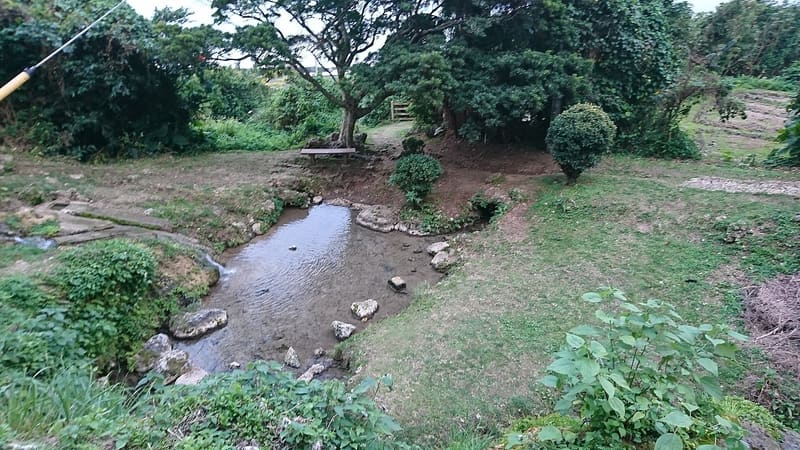 Kakinohana Spring1.6 kmphoto by ブルーノ・プラス · CC BY-SA 4.0
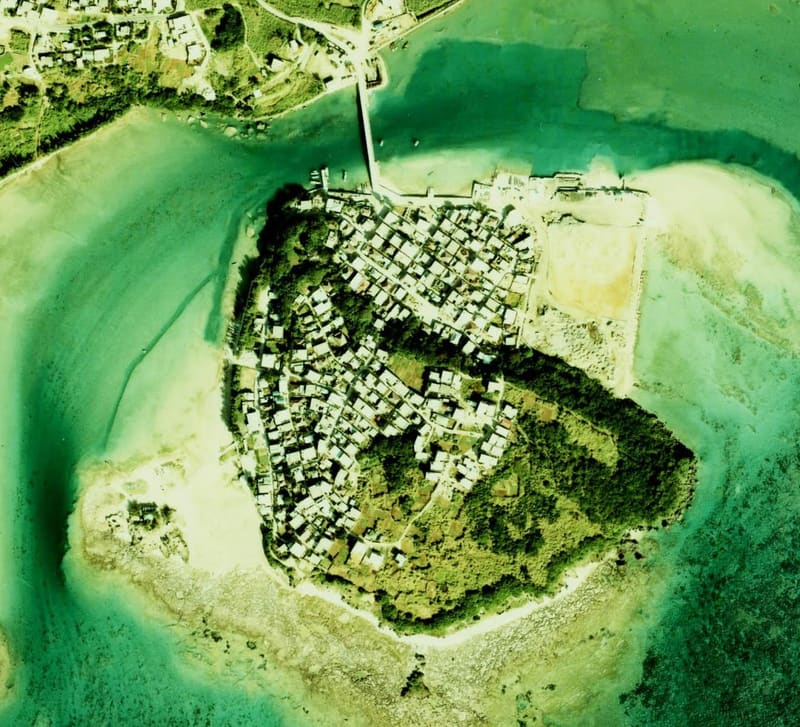 Ōjima Island1.6 kmphoto by Retouched by Kugel · Attribution