
On 2 August 1945, in two hours, 169 B-29s burned eighty per cent of the city
Hachiōji's oldest park, opened in 1896, brings together three wars within two hundred metres of lawn. People walking their dogs pass beneath the tower. Next to it, inside the Sengen shrine, stands the stele to the dead of the war with Russia: Marshal Ōyama Iwao wrote its heading in his own hand in November 1906. A stone lantern donated by the reservists' association is the only thing left as it was before 1945.
The current tower dates from October 1965. The inscription says that it honours ‘the heroic spirits who fell for the homeland from the Satsuma War to the Pacific War, and the souls of those who died in the bombings’: in other words, it places the soldiers of 1877 and the civilians of 1945 under a single formula. On the night between 1 and 2 August 1945, from 00:45 to 02:45, 169 B-29s dropped about 1,600 tonnes of incendiary bombs on Hachiōji: 445 dead, more than two thousand injured, fourteen thousand houses burned, eighty per cent of the city. In the same park a first monument had been erected in 1896 for those who fell in the war with China, and it was removed at the end of the war. Over this class of monuments (the chūkonhi and the chūreitō, that is, the steles to the war dead erected by reservists' associations) hangs a constitutional question decided in court, and it should be said at once that the case does not concern this tower but the category it belongs to. In February 1976 thirteen citizens of Minoo, in Osaka, sued their municipality: it had used public money to pay for moving one of those steles, and the school superintendent took part in the memorial ceremony held there. The Osaka court ruled in their favour on 24 March 1982, judging the stele a religious structure and the expenditure contrary to the separation of state and religion. The court of appeal overturned the ruling on 16 July 1987. The Supreme Court upheld the reversal on 16 February 1993, calling the monument by then ‘essentially secular’ and the officials' participation an act of social courtesy. In law the question is closed; in public debate it is not.
ℹ️ Public park, with no gates or ticket, open at any hour. Keiō bus from Hachiōji station to the ‘Fujimori Kōen’ bus stop, then one minute on foot. The municipality holds a ceremony for the war dead every year: check the date on the municipality's website. The park also hosts the fireworks of the Hachiōji festival, which is the day it is busiest.
🚉 Nishi-Hachioji · 15 min walk
Holidays in Japan? Plan them with us.Over 2,000 real places, a day-by-day itinerary.FreeOpen the map →Sources: ja.wikipedia.org · senseki-kikou.net · soumu.go.jp · ja.wikipedia.org · ja.wikipedia.org
Nearby
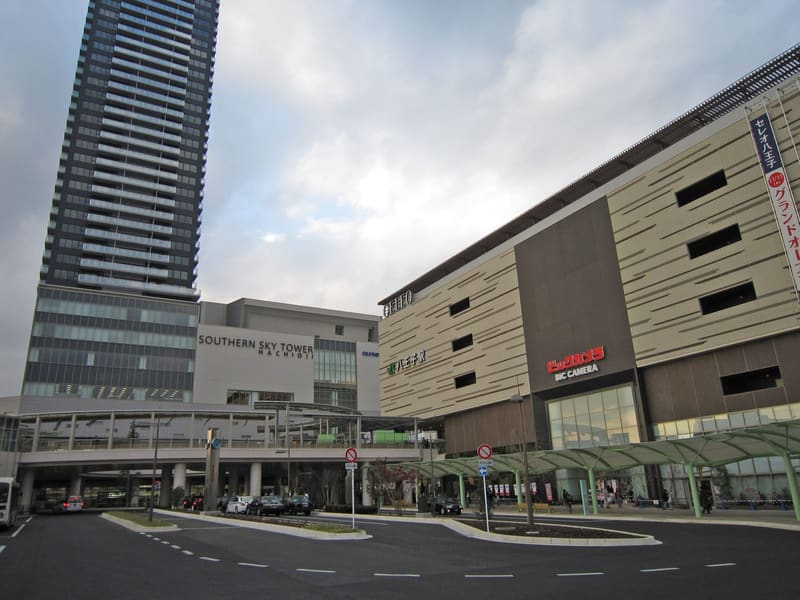 Hachioji Station — south exit1.7 kmphoto by 103momo ( talk · contribs ) · CC BY-SA 3.0
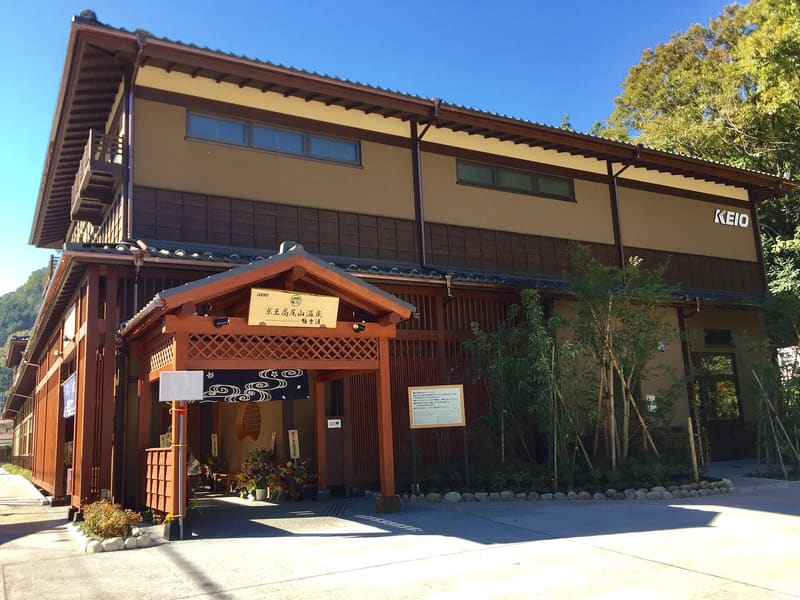 Keiō Takaosan Onsen Gokurakuyu5.2 kmphoto by Thirteen-fri · CC BY-SA 4.0
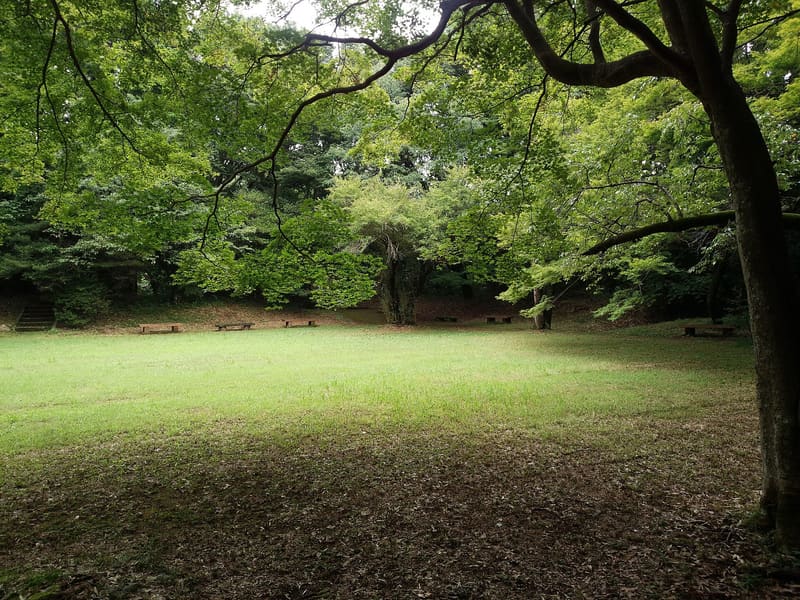 Takiyama Castle5.8 kmphoto by 柴錬アワー · CC BY-SA 4.0
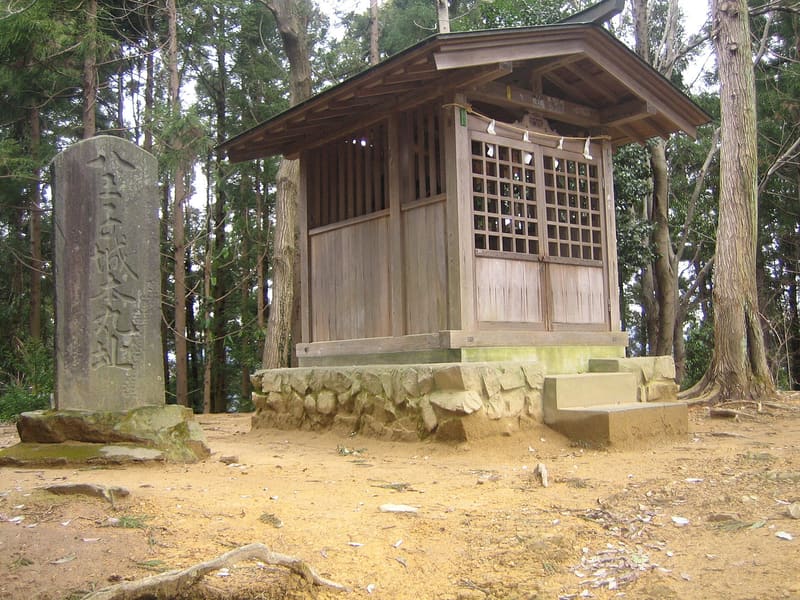 Hachiōji Castle6.1 kmphoto by Mocchy · dominio pubblico (PD-self)