
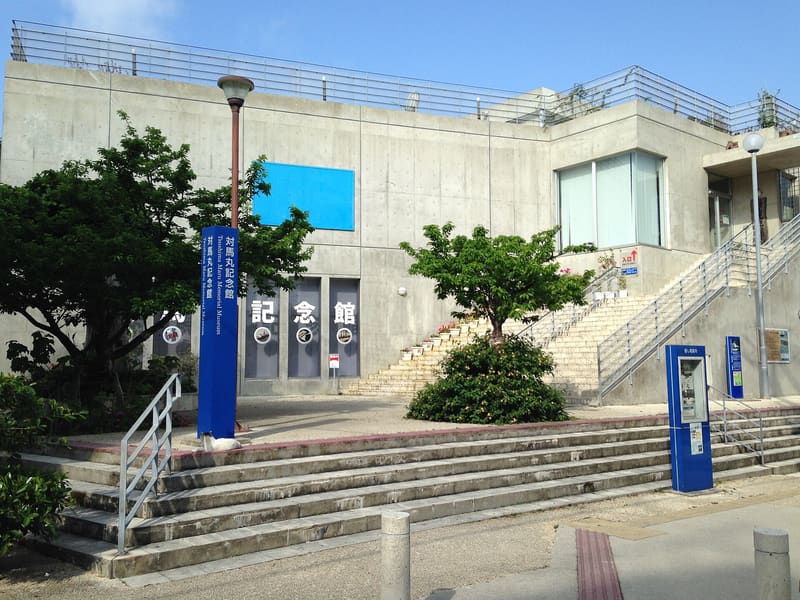
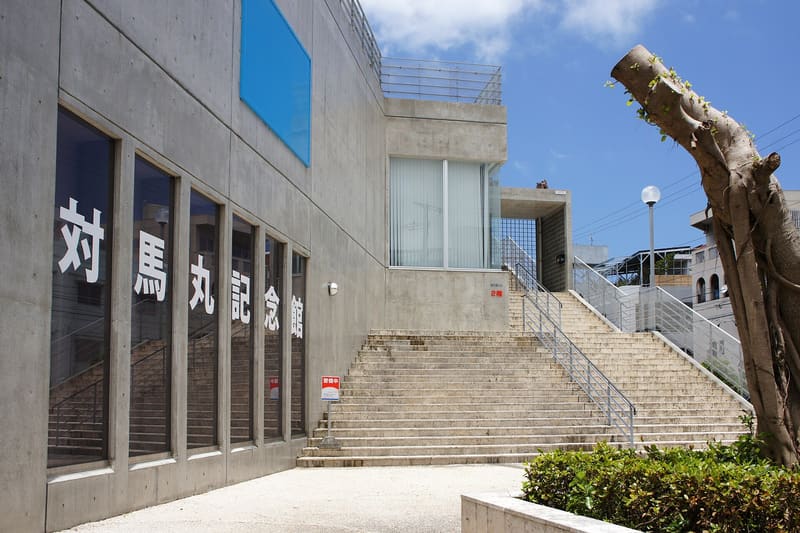
The English signs were translated by a third-year junior high class, and it shows.
The museum is small and almost always empty. You start with a video, then move among the personal belongings that were recovered and the testimonies of the few who came back. The last room is the wall of photographs: the faces of the schoolchildren whose names are known, side by side. It is mostly school groups who come, for peace education.
The Tsushima Maru was a steamship that left Naha for Nagasaki on 21 August 1944 carrying civilians being evacuated, most of them schoolchildren with their teachers. It was torpedoed by an American submarine the following night. The museum, opened in the Wakasa neighbourhood, holds the photographs of the identified victims, their personal belongings and the testimonies of the survivors.
ℹ️ Open 9:00–17:00, last entry at 16:30; closed on Thursdays and from 31 December to 3 January. Five hundred yen, three hundred for junior high and high school students, one hundred for elementary school students; free with a disability certificate, plus one companion. There are no architectural barriers. You ask for the English leaflet at the desk.
🚉 The Okinawa Times · 11 min walk
Holidays in Japan? Plan them with us.Over 2,000 real places, a day-by-day itinerary.FreeOpen the map →Sources: tsushimamaru.or.jp · tripadvisor.com
Nearby
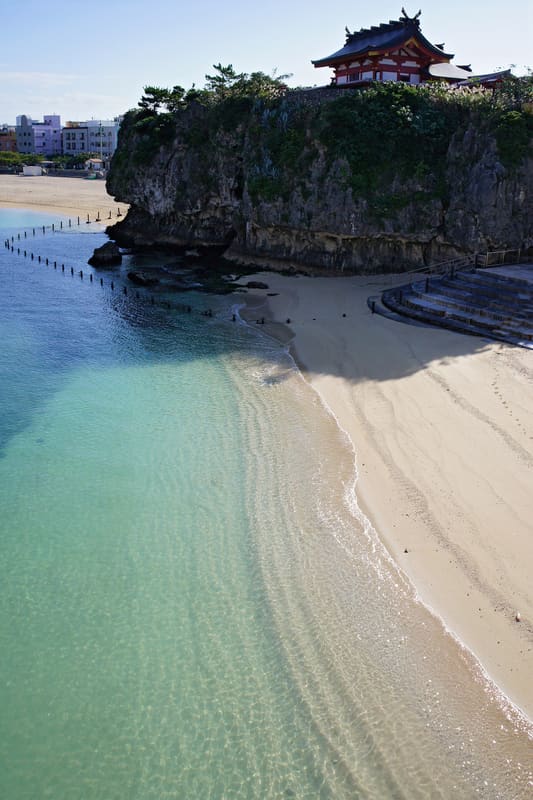 Naminoue Beach200 mphoto by 663highland · CC BY 2.5
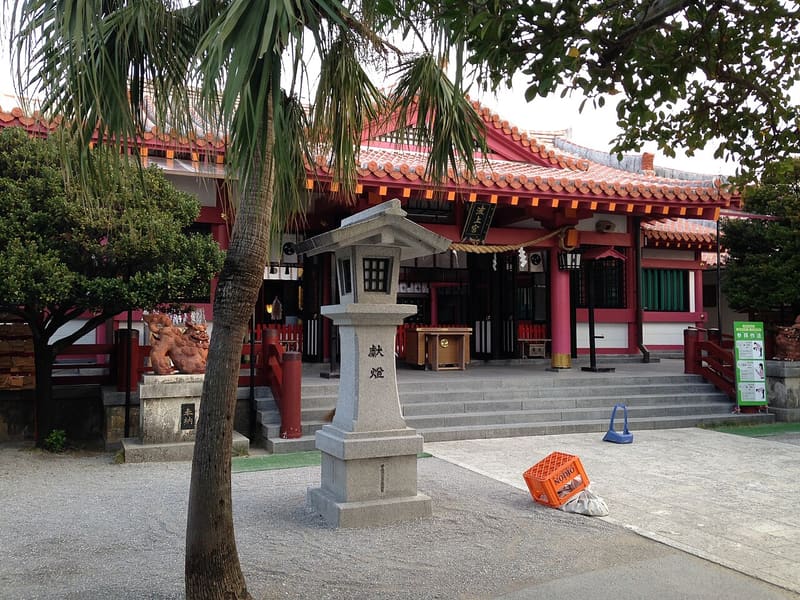 Naminoue-gu200 mphoto by そらみみ · CC BY-SA 4.0
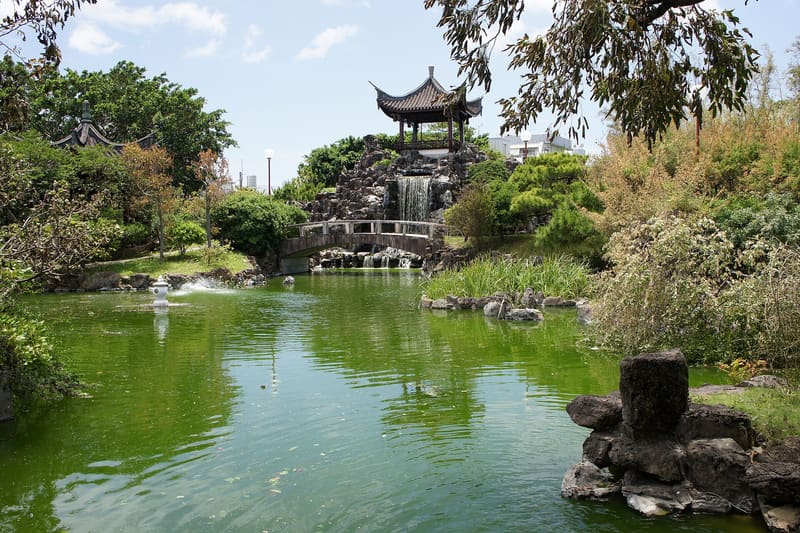 Fukushū Garden400 mphoto by 663highland · CC BY 2.5
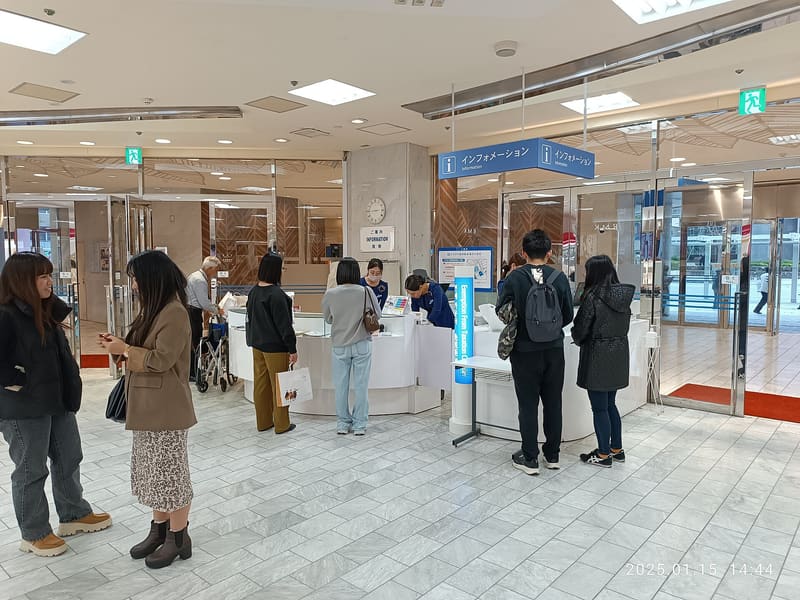 Ryubo Department Store1000 mphoto by Naha Mama Pavilionz · CC0