
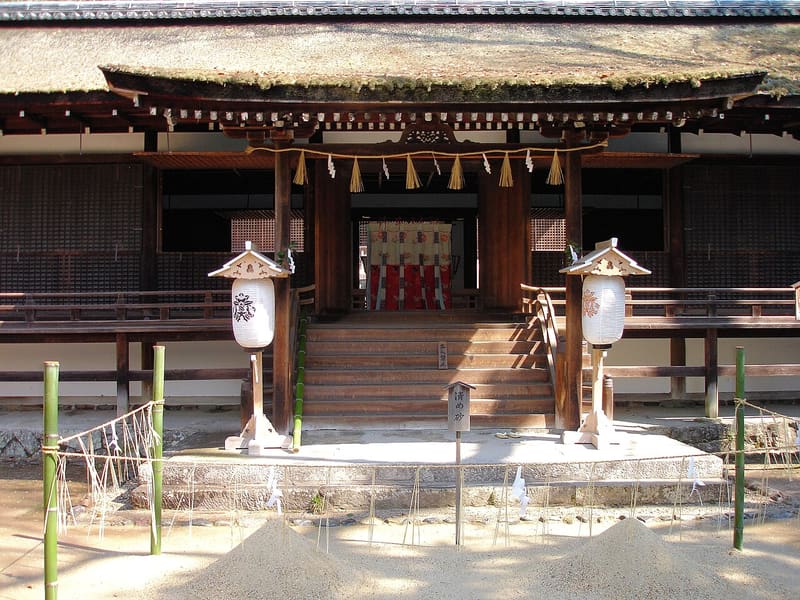
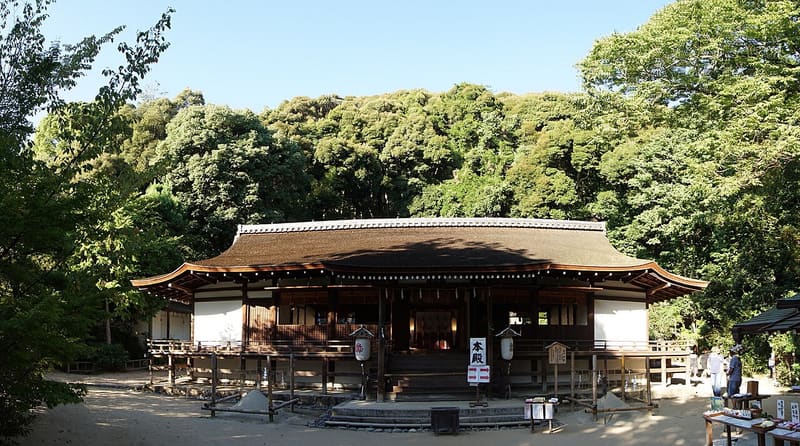
Its shrine, from the eleventh century, is the oldest Shinto building in Japan.
The honden (the inner shrine, the most sacred part of a Shinto shrine, usually closed to view) is here in fact a row of three small shrines side by side, built as a single structure dated by tree-ring analysis to the second half of the eleventh century: it is the oldest shrine building in Japan whose date is known. The haiden in front, the hall for offerings where worshippers pray, dates from the early thirteenth century and follows the style of a noble residence, a remnant of the ancient imperial villa of Uji from which the shrine descends.
Dedicated to three figures linked to Prince Uji no Wakiiratsuko, who according to legend gave up the throne in favour of his brother. A UNESCO World Heritage Site since 1994, the only Shinto shrine among the seventeen sites of the ‘Historic Monuments of Ancient Kyoto’ that preserves its original building rather than a periodic reconstruction.
ℹ️ Free admission. Open during the daytime; ten minutes' walk from Uji Station on the JR Nara Line, across the river from the Byōdō-in.
🚉 Uji · 9 min walk
Holidays in Japan? Plan them with us.Over 2,000 real places, a day-by-day itinerary.FreeOpen the map →Sources: pref.kyoto.jp · city.kyoto.lg.jp
Nearby
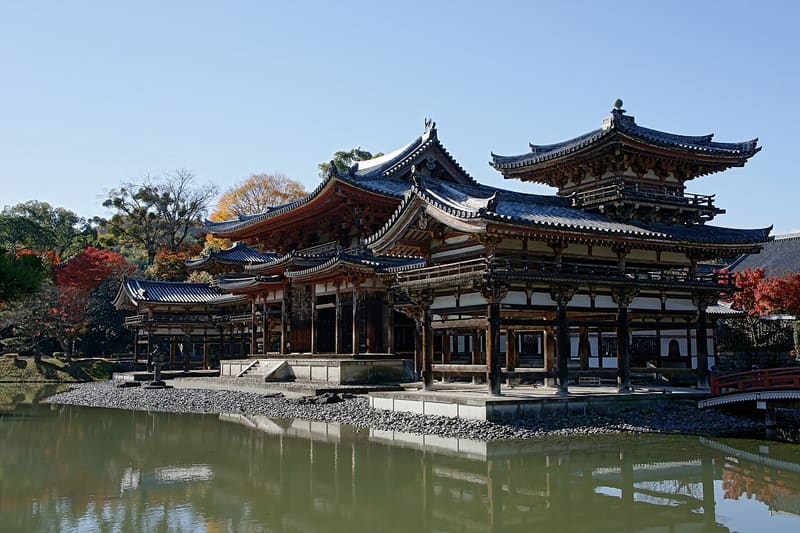 Byodo-in500 mphoto by 663highland · CC BY 2.5
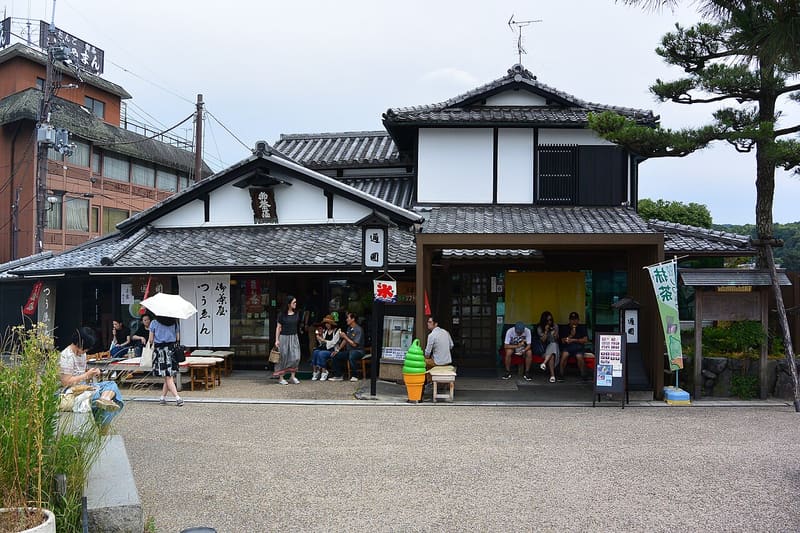 Tsuen (Uji tea house)500 mphoto by Miya.m · CC BY-SA 4.0
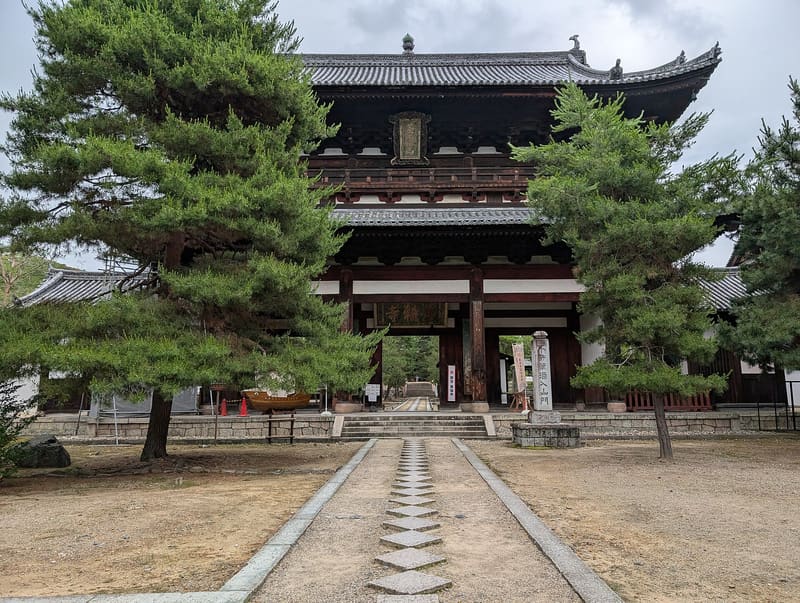 Manpuku-ji2.5 kmphoto by ONO Masanobu · CC0
 Nintendo Museum2.5 kmphoto by Nagomijirap · CC BY-SA 4.0