
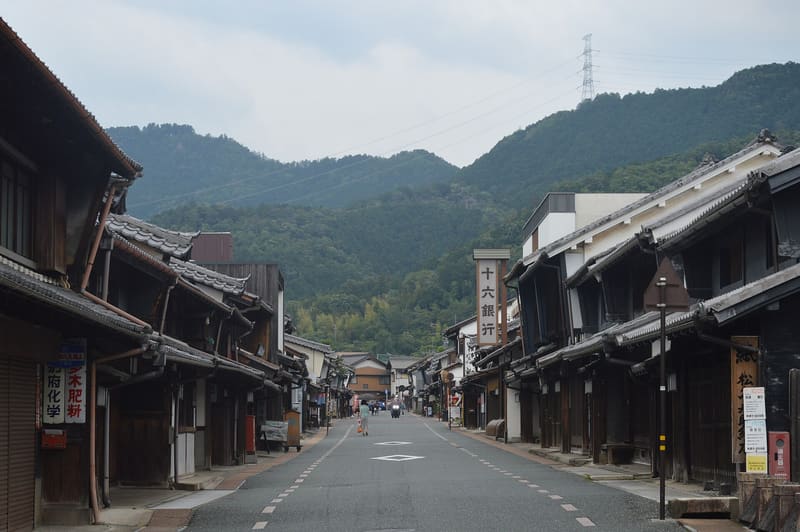
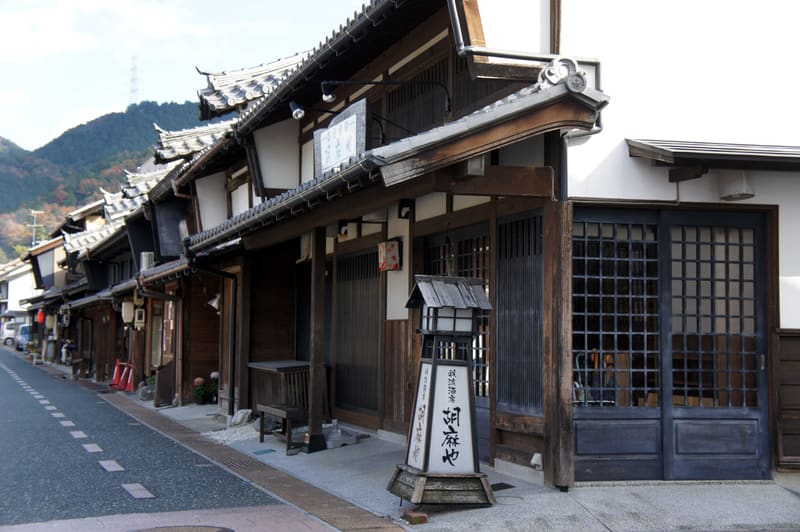
A protected area since 1999: the udatsu, firebreak walls on the roof, were a merchant's pride.
The udatsu, small firebreak walls projecting on either side of the roof, were created to stop fire spreading between neighbouring houses, but in the Edo period the merchants of Mino, enriched by the washi paper trade, turned them into ever more elaborate decorations, competing for prestige with the house next door. The grid of the Ichiban-chō and Niban-chō streets, laid out after 1605 under Kanmori Nagachika, has been protected since 1999 as an Important Preservation District for Groups of Traditional Buildings.
Edo-period market town that grew up on the trade in Mino washi paper, and which preserves the street grid and the crenellated façades of the merchants enriched by that trade.
ℹ️ Public street, open at all times. Car park at the Tourist Exchange Plaza (観光交流プラザ). 15 minutes’ walk from Mino Station (Nagaragawa Railway).
🚉 Umeyama · 9 min walk
Holidays in Japan? Plan them with us.Over 2,000 real places, a day-by-day itinerary.FreeOpen the map →Sources: minokanko.com · mlit.go.jp
Nearby
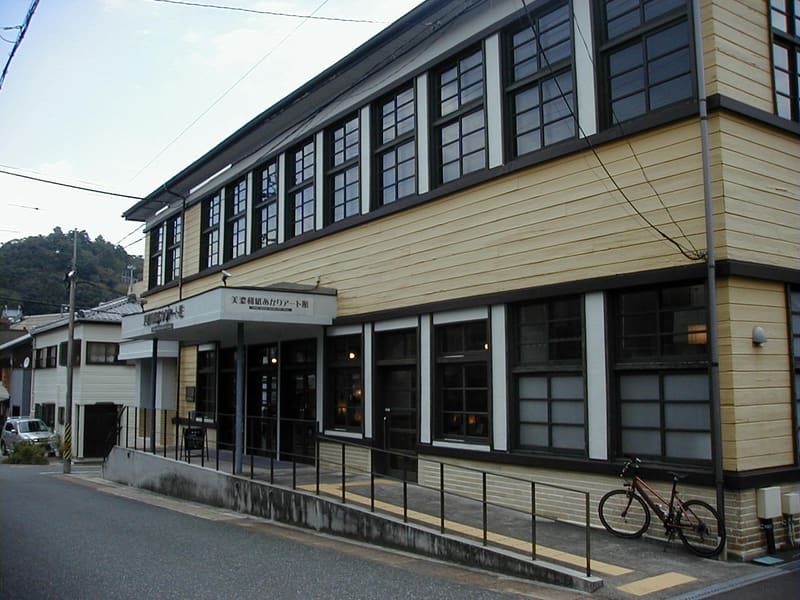 Mino Paper Lantern Museum100 mphoto by Usadanna · CC BY-SA 3.0
 Seki Forging Museum7.2 kmphoto by Hide-sp · CC BY-SA 3.0
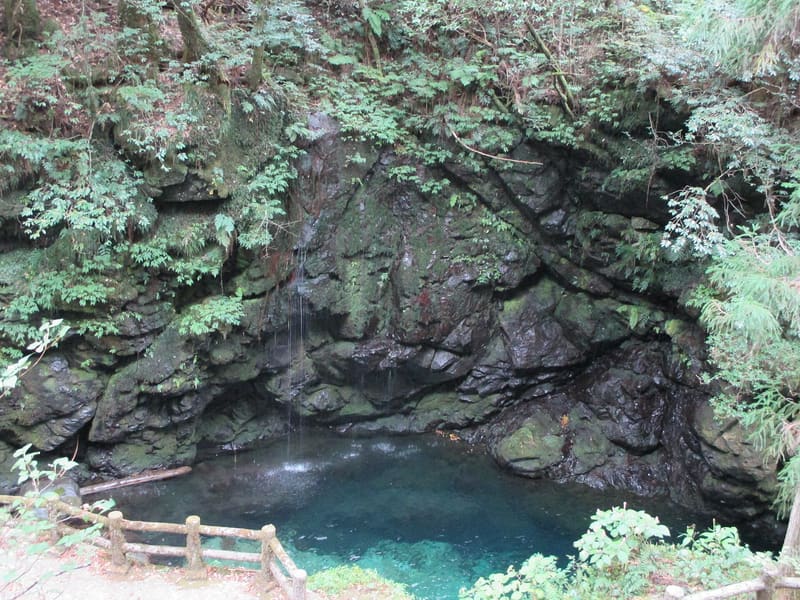 Yano-ga-fuchi13.6 kmphoto by 大野 一将 · CC BY-SA 3.0
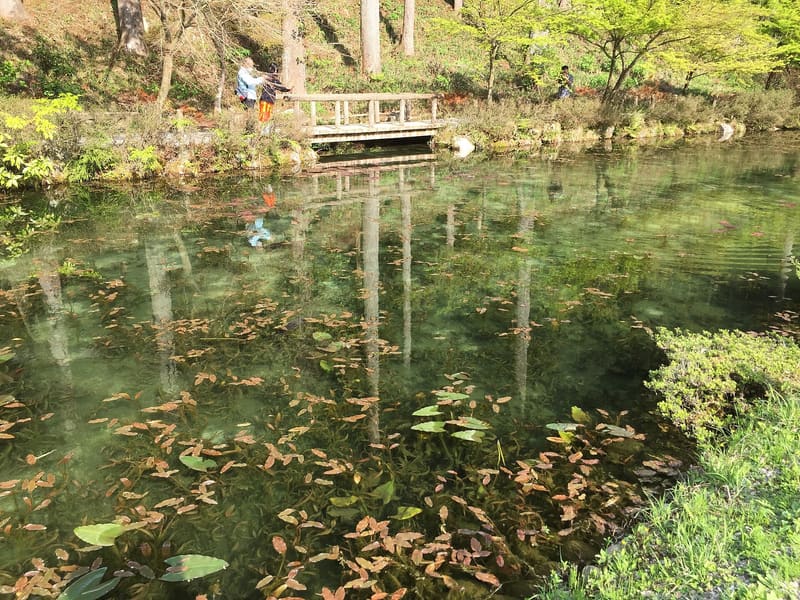 The pond at Nedo Shrine, ‘Monet's Pond’14.3 kmphoto by Hmori1960.earthbound · CC BY-SA 4.0