
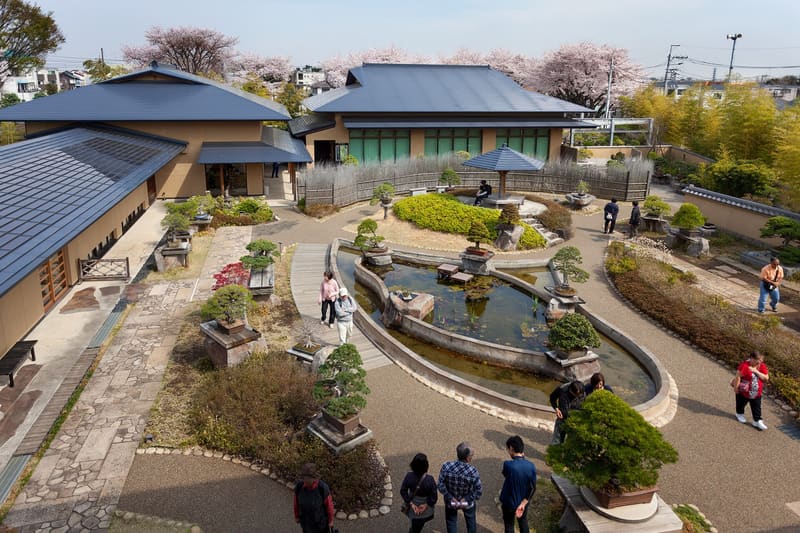
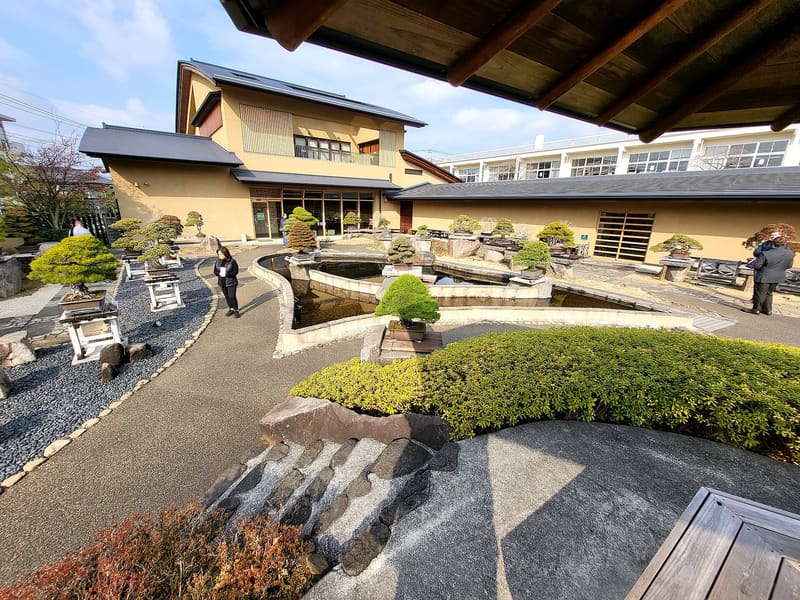
The village began in 1923, with nursery growers who had fled Tokyo after the Kantō earthquake.
After the Great Kantō Earthquake of 1923, some bonsai growers from Tokyo moved here in search of clean water and good soil, founding the neighbourhood that became known as the ‘bonsai village’. The museum, opened on 28 March 2010, was the first public museum in the world devoted entirely to bonsai: it has over 120 specimens in its permanent collections, with around seventy on display in seasonal rotation in the garden and indoors. Around it, six historic nurseries are still in business and can be visited on foot.
The Ōmiya-Bonsai-Chō neighbourhood turned one hundred in 2025. The museum, run by Saitama City, brings together trees, antique pots and suiseki (viewing stones) along with the history of cultivation.
ℹ️ Open 9:00–16:30 (March–October) and 9:00–16:00 (November–February), closed on Thursdays (open if a public holiday). From Tokyo: about 36 minutes by train on the JR Ueno-Tokyo Line to Toro Station, or shinkansen to Ōmiya (24 min) and then bus or taxi.
🚉 Toro · 6 min walk
Holidays in Japan? Plan them with us.Over 2,000 real places, a day-by-day itinerary.FreeOpen the map →Sources: omiyabonsai.jp
Nearby
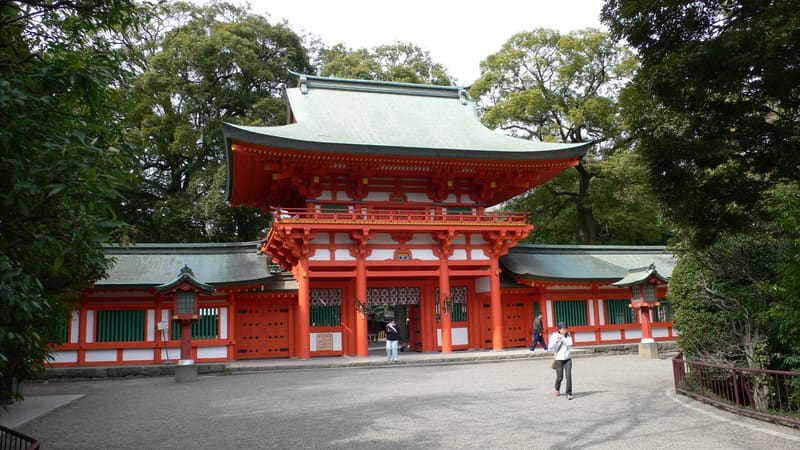 Musashi Ichinomiya Hikawa Shrine1.5 kmphoto by Mytho88 · CC BY-SA 3.0
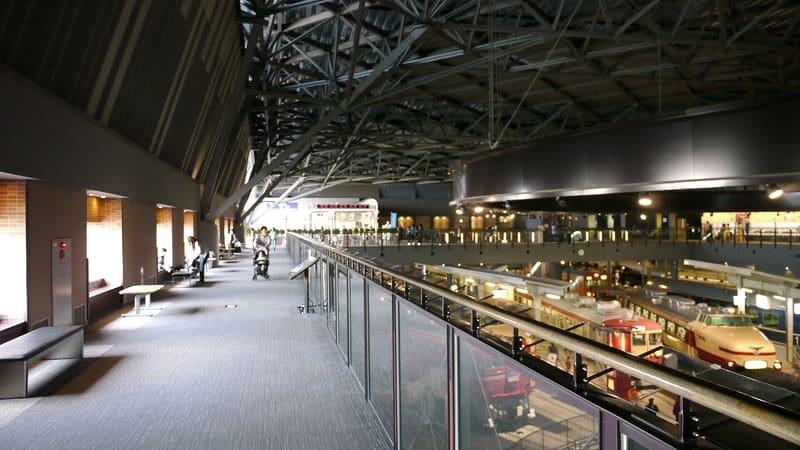 Ōmiya Railway Museum1.6 kmphoto by ger531 · CC BY 3.0
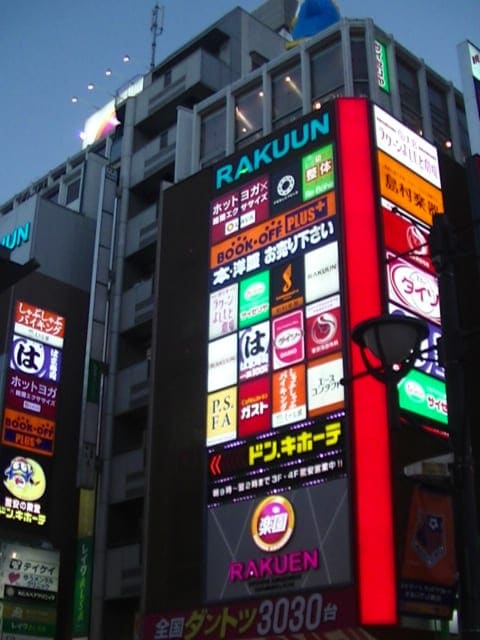 Ōmiya Racoon2.5 kmphoto by ガタステノ · CC BY-SA 4.0
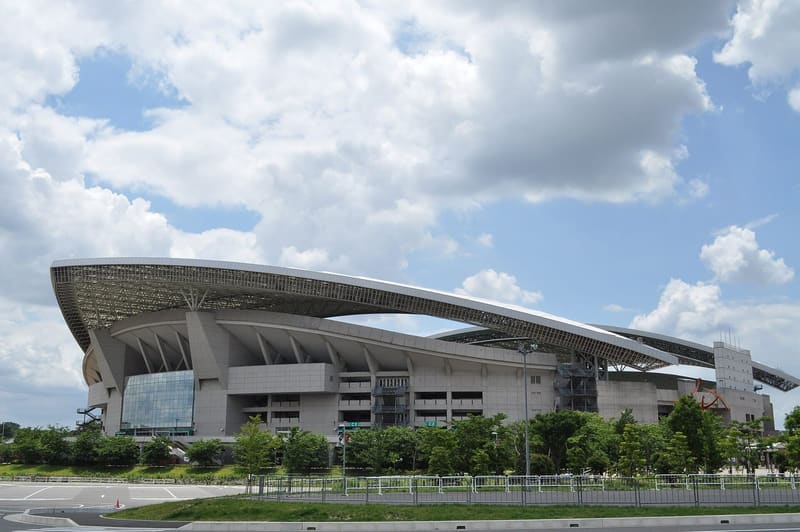 Saitama Stadium 20028.1 kmphoto by Ocdp · CC BY-SA 3.0