
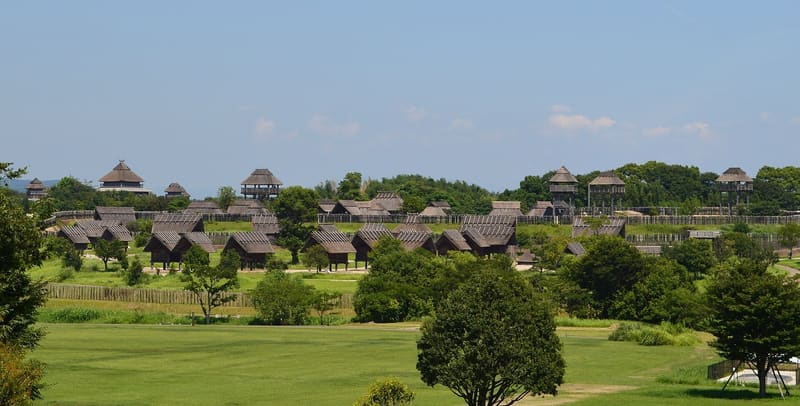
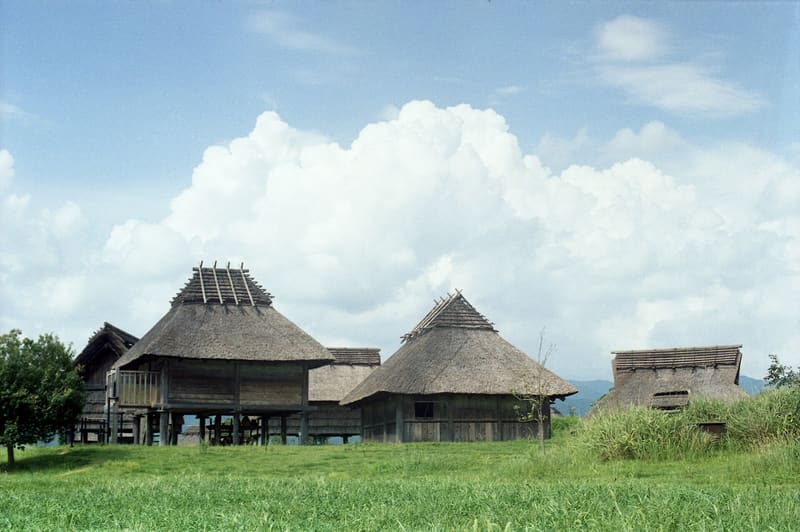
Watchtowers and a double moat protect the largest Yayoi village in Japan.
A raised path crosses the double moat that encircled the settlement two thousand years ago, between palisades of sharpened wood and towers from which the plain was watched. Inside, granaries on stilts and round huts recreate life in a village that at its height, in the third century, housed about 1,200 people: skeletons with arrowheads still embedded in them are evidence of the fighting during the period of wars among the small kingdoms of Wa.
Archaeological site of the late Yayoi period (up to the third century AD), the most extensive fortified settlement of the era discovered so far in Japan. Excavated since 1986, designated a Special Historic Site (特別史跡) on 28 May 1991; the park covers a planned area of 117 hectares, of which 105.6 have been developed (2021 figure).
ℹ️ Open 9:00–17:00 (9:00–18:00 from June to August). Admission 460 yen adults, free up to age 14, 200 yen over-65s with ID (reduced group rates for schools and groups of 20+).
🚉 Yoshinogarikoen · 18 min walk
Holidays in Japan? Plan them with us.Over 2,000 real places, a day-by-day itinerary.FreeOpen the map →Sources: yoshinogari.jp · yoshinogari.jp · ja.wikipedia.org
Nearby
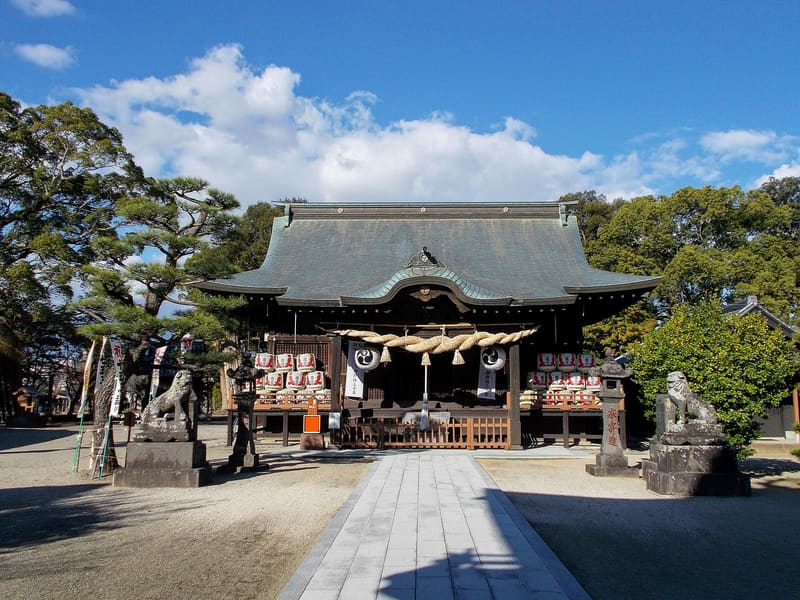 Oniyo of Daizenji Tamataregū8.9 kmphoto by STA3816 · CC BY-SA 4.0
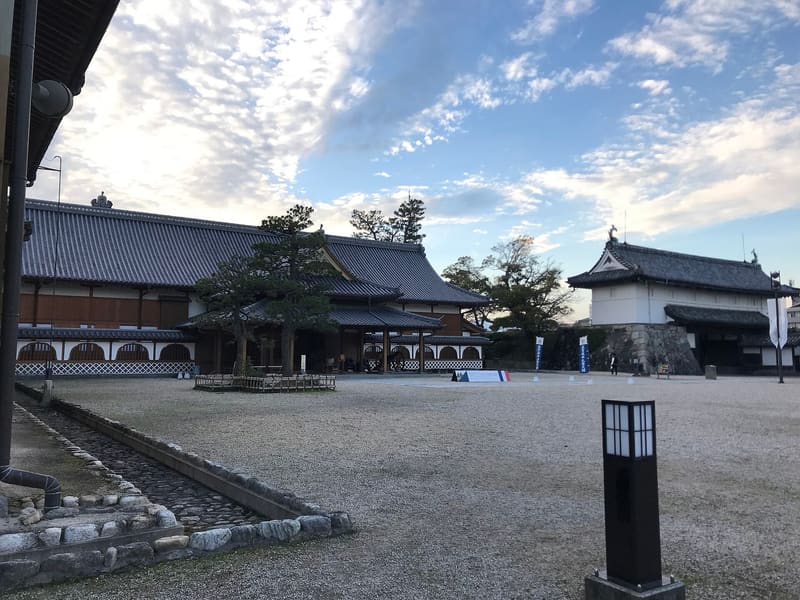 Saga Castle Honmaru History Museum11.5 kmphoto by そらみみ · CC BY-SA 4.0
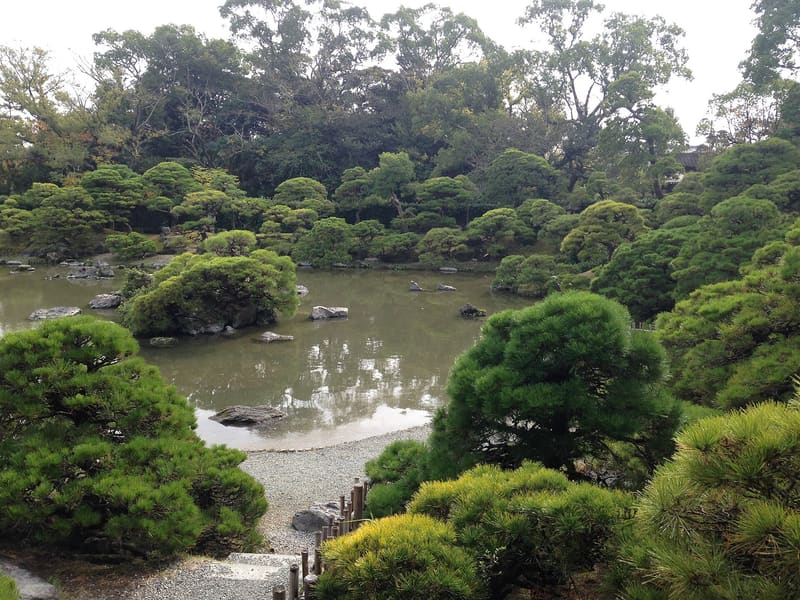 Ohana and Shōtōen Garden17.6 kmphoto by そらみみ · CC BY-SA 4.0
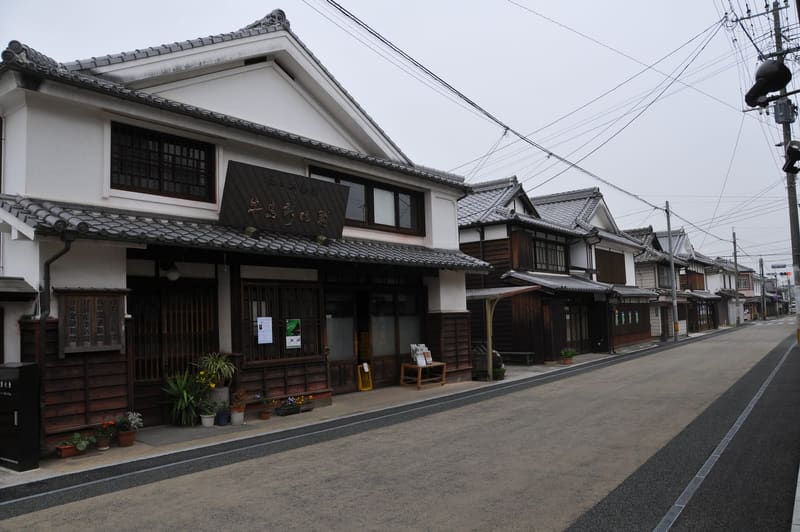 Yame Fukushima (white-walled district)19.5 km