
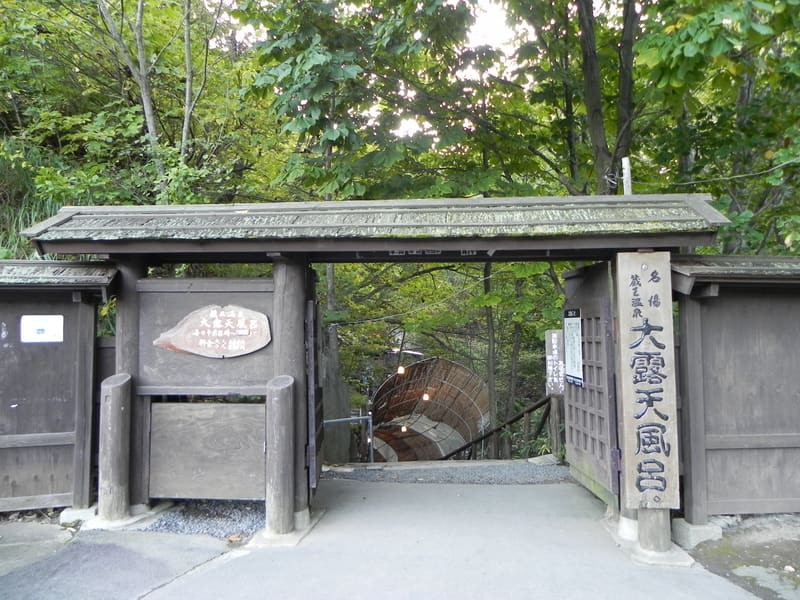
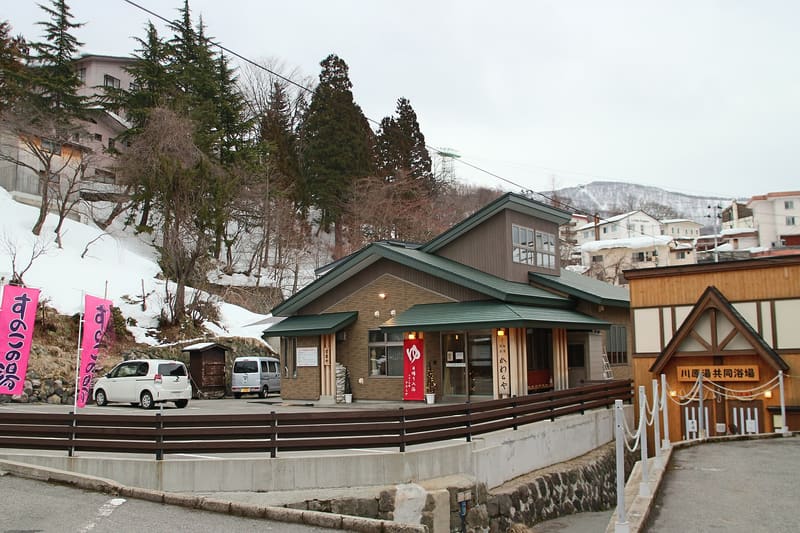
The water gushes out at pH 1.6, among the most acidic in Japan, from springs opened 1,900 years ago.
Steam rises from the drainage channels along the spa town's main street, and the smell of sulphur follows every step: the water, an acidic sulphate-aluminium-chloride spring, comes out at a pH of around 1.6, among the lowest (most acidic) of all the hot springs in Japan. Five groups of springs feed 47 different spring outlets, for about 8,700 tonnes of water a day.
According to legend it was discovered about 1,900 years ago by Kibi no Takayuki, who was part of Prince Yamato Takeru's expedition to the east: the town was called ‘Takayu’ until 1950, when it was renamed Zaō Onsen after coming first in a national tourism poll. Today it has more than 120 places to stay and is also one of the main ski resorts in Japan.
ℹ️ The large open-air public bath (大露天風呂, Dai-Rotenburo) is the best known: strongly acidic water, not advised for people with open wounds or sensitive skin, with its own opening hours and ticket. The main street and the public springs are free and always accessible. From Yamagata city: about 40 minutes by bus.
🚉 Zao Onsen bus terminal · 13 min walk
Holidays in Japan? Plan them with us.Over 2,000 real places, a day-by-day itinerary.FreeOpen the map →Sources: ja.wikipedia.org · zaomountainresort.com
Nearby
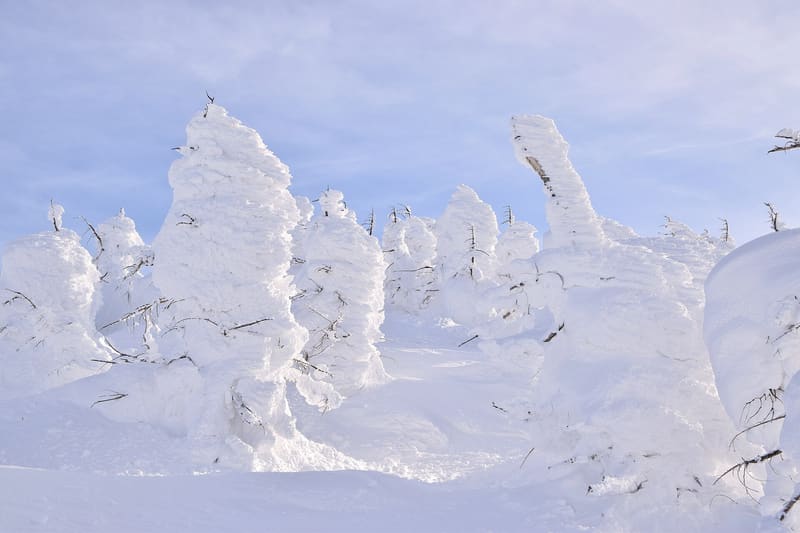 Zaō Juhyō (the ‘snow monsters’)2.9 kmphoto by Raita Futo from Tokyo, Japan · CC BY 2.0
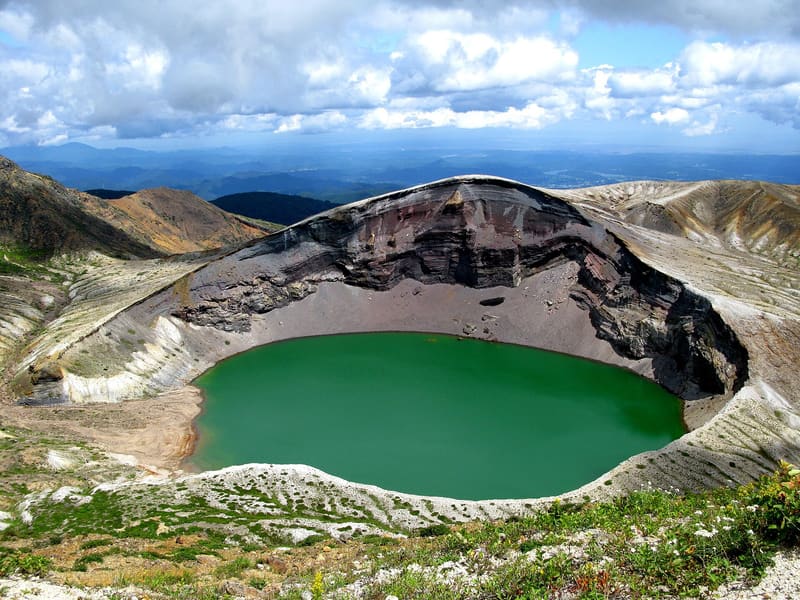 Okama, the crater lake5.3 kmphoto by Qwert1234 · Public domain
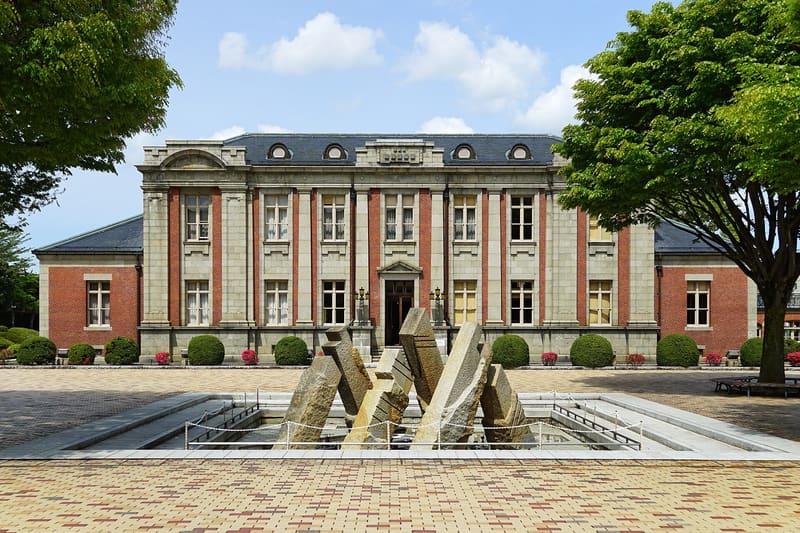 Bunshōkan11.4 kmphoto by 663highland · CC BY-SA 4.0
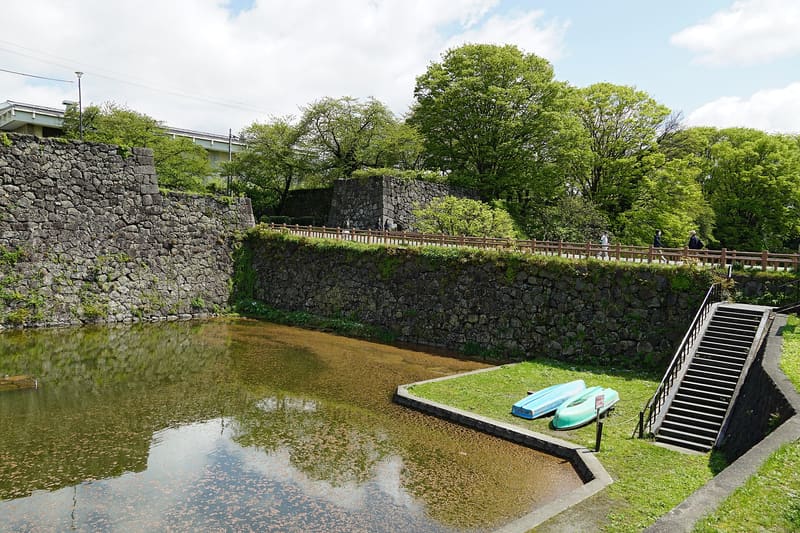 Yamagata Castle Ruins (Kajō-kōen)11.8 kmphoto by 663highland · CC BY-SA 4.0