
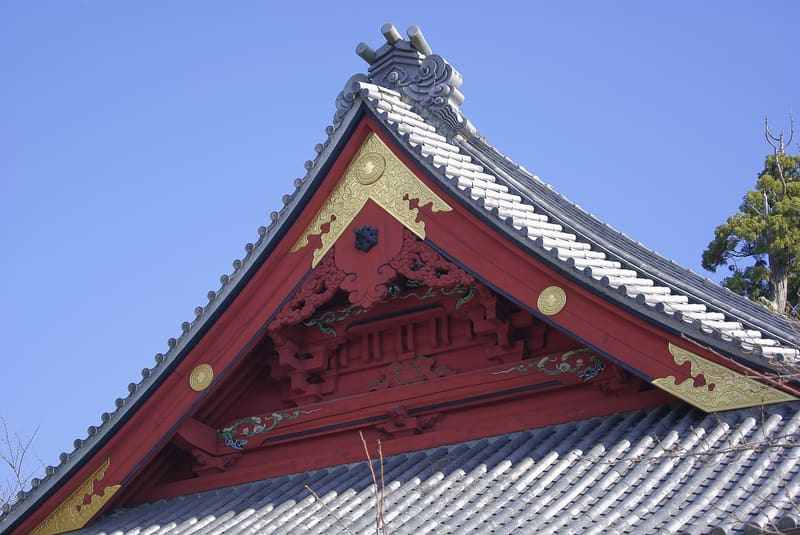
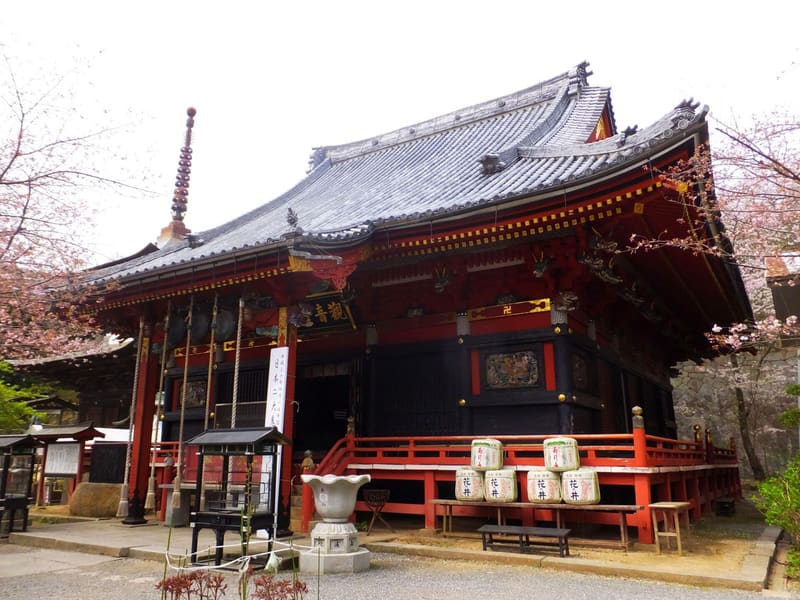
Peacocks roam free in the courtyard; the eight-armed Kannon is shown on just one Sunday a year.
Peacocks, ducks and goats roam free along the paths of a temple that tradition says was founded in 587 by a monk who came from Liang China. The statue of the eight-armed Kannon, an Important Cultural Property from the Heian period, remains a secret image all year and is shown only on the first Sunday of April. From June to July a hundred varieties of hydrangea, five thousand plants, fill the courtyard as far as the pond where the cut flowers are set afloat in the evening.
Temple of the Shingon Toyosan school, twenty-fourth on the pilgrimage of the thirty-three Kannon of Bandō, which tradition says was founded in 587 by a monk who came from Liang China. According to legend, Emperor Saga gave it its name after a prayer at the temple ended a drought; it was restored in 1254 by Prince Munetaka and again in the Kemmu era by Ashikaga Takauji.
ℹ️ Sutra reception and entry hours 8:30–17:00; admission to the climb 500 yen during the hydrangea festival. Nearest station JR Iwase, then bus; 15 minutes (about 8 km) from the Sakuragawa-Chikusei interchange. During the 2026 Hydrangea Festival (10 June – 12 July) the evening illumination lasts until 20:00, extended to 21:00 at weekends.
🚉 本木 · 25 min walk
Holidays in Japan? Plan them with us.Over 2,000 real places, a day-by-day itinerary.FreeOpen the map →Sources: ibarakiguide.jp · ja.wikipedia.org
Nearby
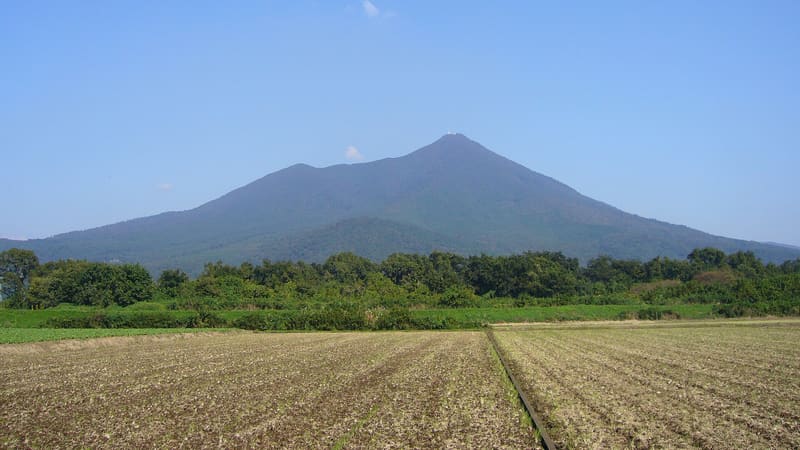 Mount Tsukuba11.8 kmphoto by RESPITE · Public domain
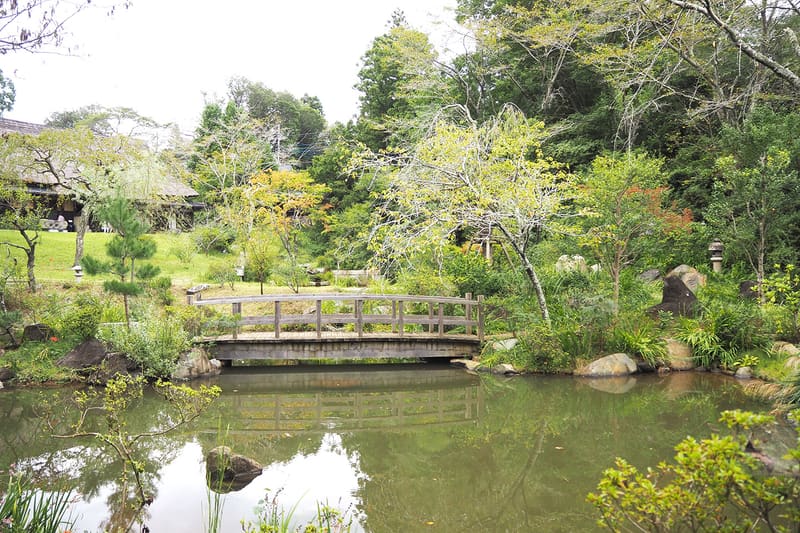 Shumpū Manrisō12 kmphoto by Shunpu Banri-so Villa · CC BY-SA 4.0
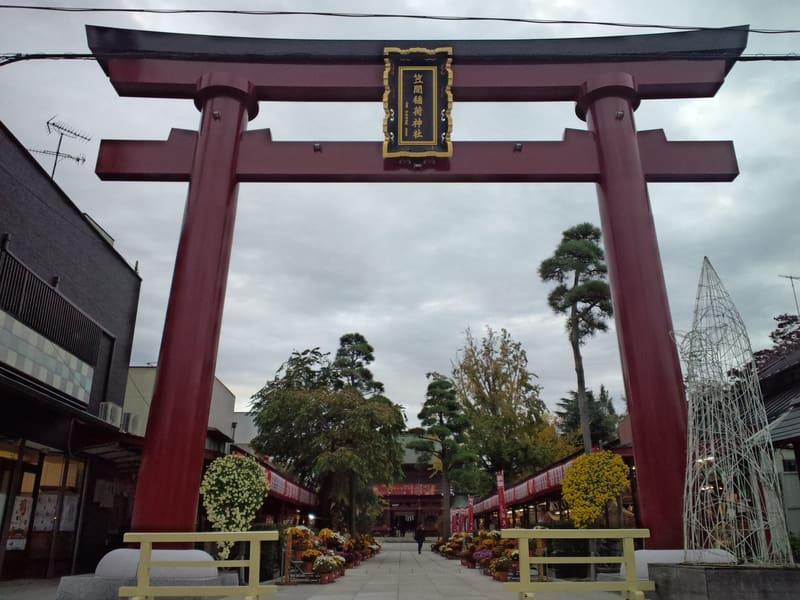 Kasama Inari Shrine13.4 kmphoto by 市井の人 · CC BY-SA 4.0
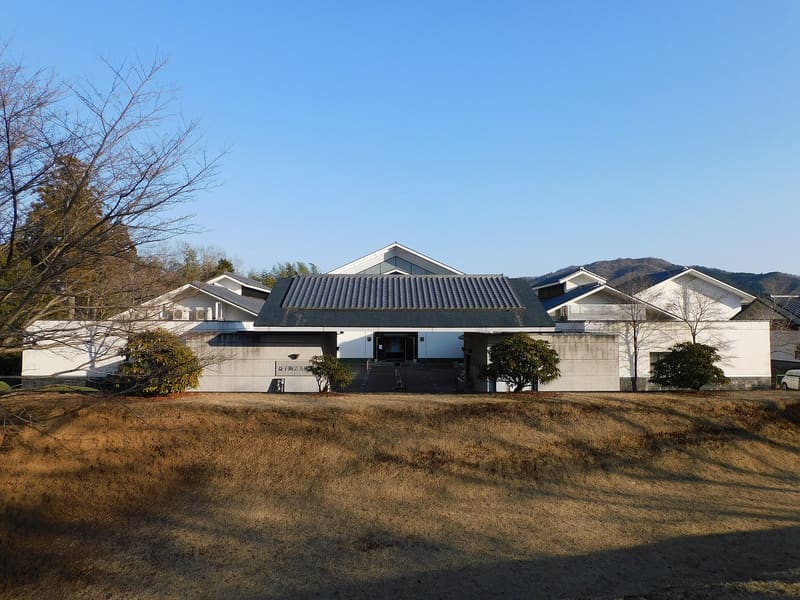 Mashiko Museum of Ceramic Art15 kmphoto by Miyuki Meinaka · CC BY-SA 4.0