
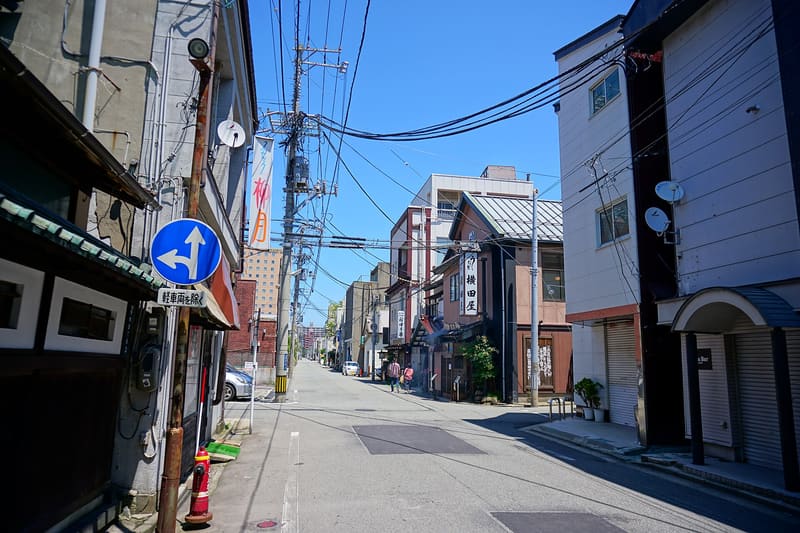
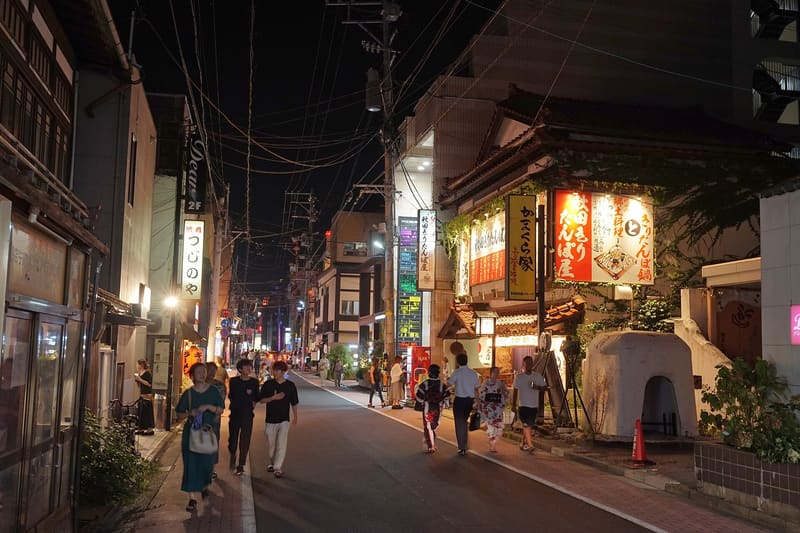
Born of the fire of 1887, it is the second nightlife district in Tōhoku after Sendai.
Over about half a kilometre along the bank of the Asahi River, izakaya and inns stand side by side on suzuran-dōri, yokochō-dōri and gion-kōji, the side alleys squeezed between the signs. It began as a merchant district in the seventeenth century and became an entertainment district after the fire of 1887, when the city's teahouses moved here: for decades it was the second-biggest nightlife district in Tōhoku, after only Kokubunchō in Sendai. Period buildings remain, such as the castle-style Hokushū tavern and the Taishō-style Hamanoya restaurant.
A former pleasure quarter of Akita, in the Ōmachi district, just outside the perimeter of Kubota Castle: it began as an outer merchant town when the merchants of Tsutsumi were forcibly moved there in the Kan'ei era (1624–1643).
ℹ️ Public alley, accessible at all times; the bars and restaurants mostly open in the evening. Local specialities: kiritanpo-nabe (the soup with sticks of pounded rice typical of Akita) and local sake. 15–20 minutes’ walk from the west exit of Akita Station.
🚉 Akita · 18 min walk
Holidays in Japan? Plan them with us.Over 2,000 real places, a day-by-day itinerary.FreeOpen the map →Sources: ja.wikipedia.org · 4travel.jp
Nearby
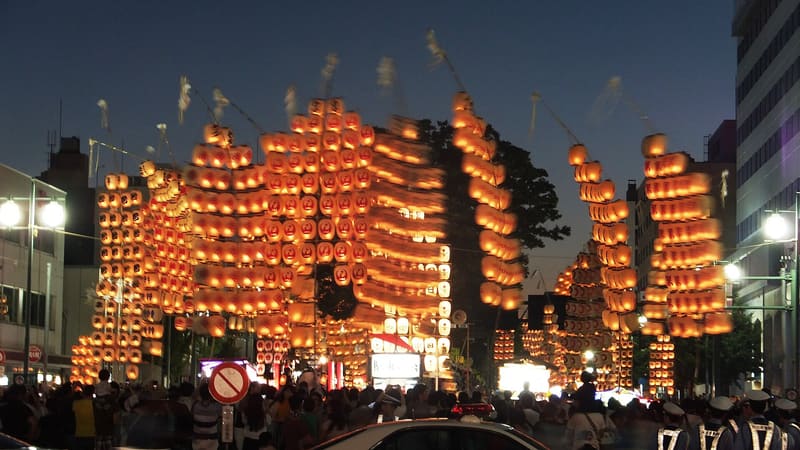 Akita Kantō Matsuri300 mphoto by 掬茶 · CC BY-SA 4.0
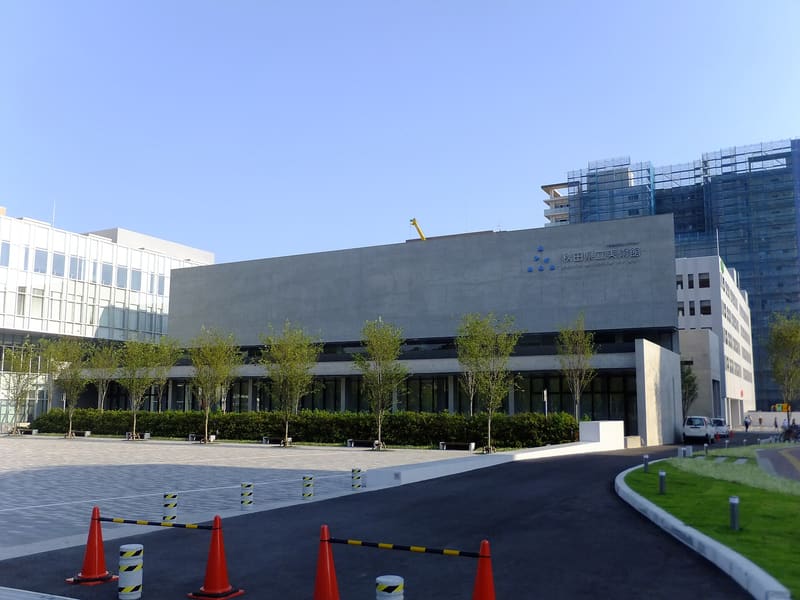 Akita Prefectural Museum of Art500 mphoto by 掬茶 · CC BY-SA 3.0
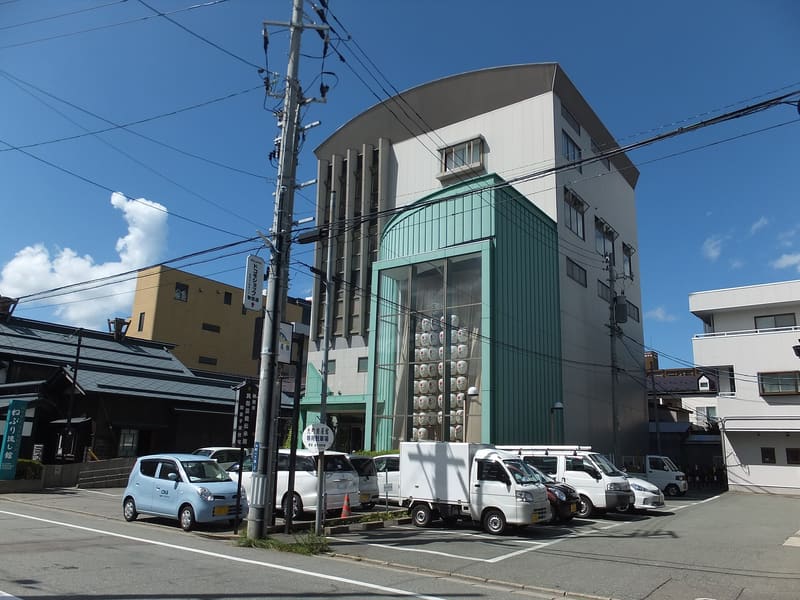 Akita Folk Arts Museum (Neburi Nagashi-kan)500 mphoto by 掬茶 · CC BY-SA 3.0
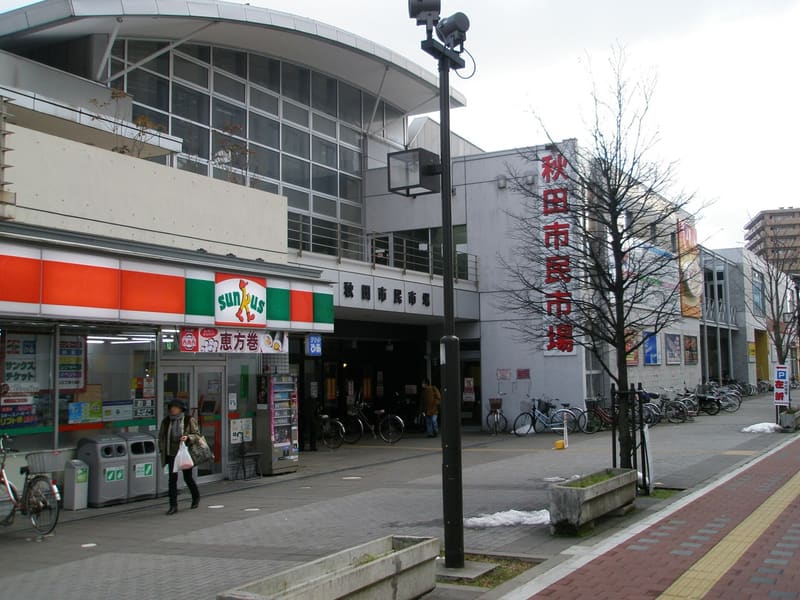 Akita City Market800 mphoto by 掬茶 · CC BY-SA 3.0