
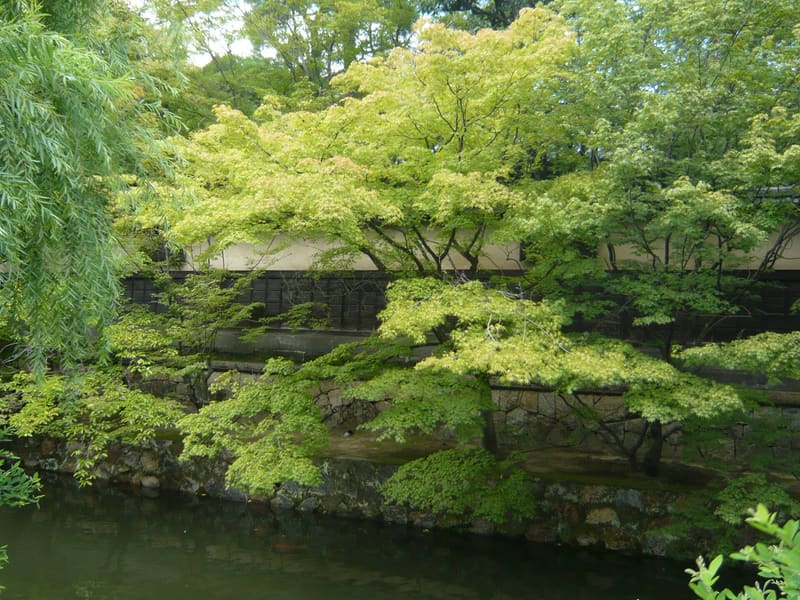
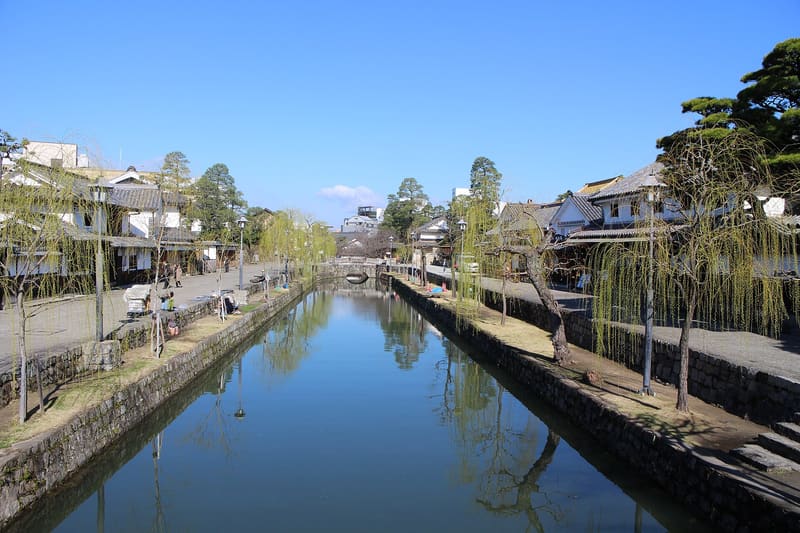
A rice storehouse of the shogunal domain from 1642; today you can travel the canal by rowing boat.
The Kurashiki-gawa canal cuts through the district between white storehouses with walls of plaster scales (なまこ壁, namako-kabe, from the profile that recalls a sea cucumber) and rows of weeping willows; you cross it on foot over the Nakabashi stone bridge, rebuilt in 1877 after the earlier wooden one had collapsed, or by rowing boat steered by a boatman. Edo-period merchant houses stand alongside later buildings, such as the Ohara museum of 1930 a little further along the same street.
In 1642 the district became territory under the direct rule of the shogunate (天領) and the seat of the Kurashiki magistrate's office: the canal through its centre was used to gather rice, cotton, salt and sugar from the whole southern Bitchū region for shipment. The municipality declared it a district of scenic value in 1969, and in 1979 the Agency for Cultural Affairs designated it an Important Preservation District for Groups of Traditional Buildings (重要伝統的建造物群保存地区), over an area of about 15 hectares.
ℹ️ The streets and the canal can be walked at any time, with no ticket. The individual museums and shops have their own opening hours (the Ohara Museum, for example, is open 9:00–17:00, with its own closing days). Rowing-boat trips are booked on the spot or online and stop in bad weather.
🚉 Kurashikishi · 13 min walk
Holidays in Japan? Plan them with us.Over 2,000 real places, a day-by-day itinerary.FreeOpen the map →Sources: ja.wikipedia.org · kurashiki-tabi.jp
Nearby
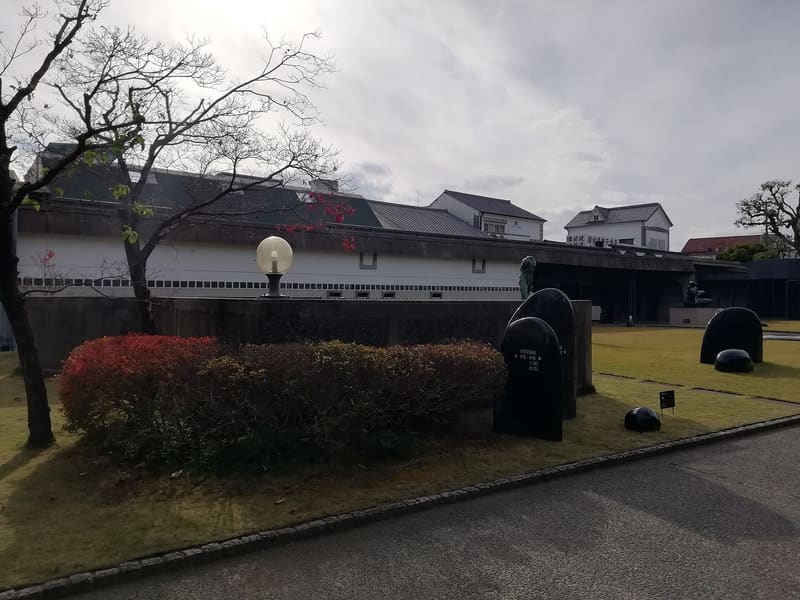 Ohara Museum of Art100 mphoto by Taisyo · CC BY 3.0
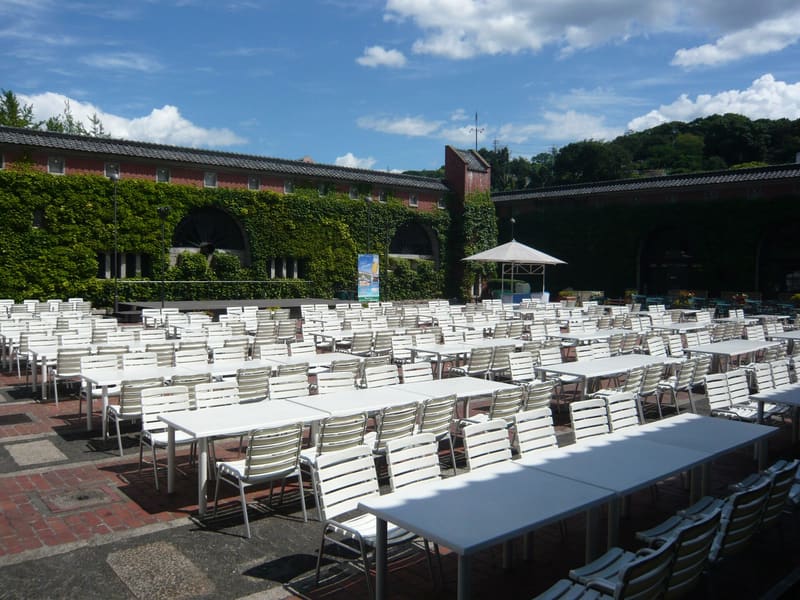 Kurashiki Ivy Square200 mphoto by Nankou Oronain (as36… · CC BY-SA 3.0
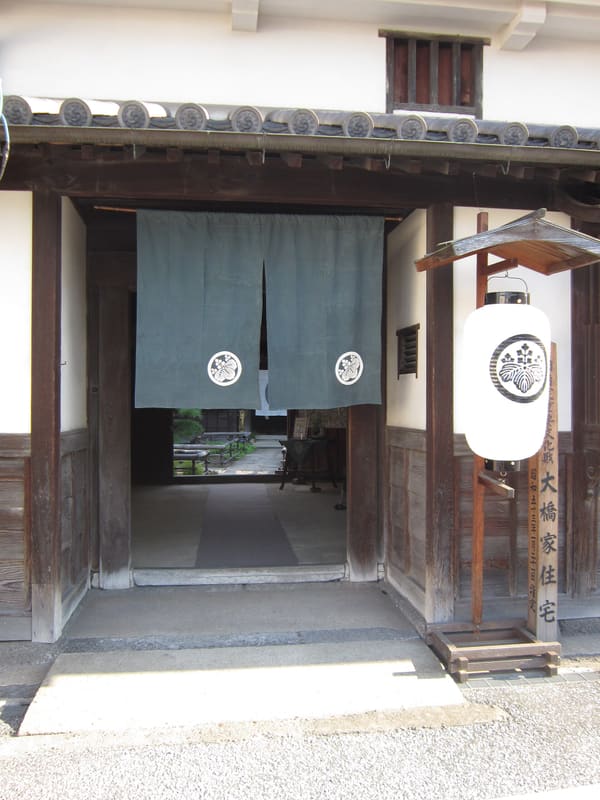 Ōhashi Residence300 mphoto by MING-JUI YEH · CC BY-SA 4.0
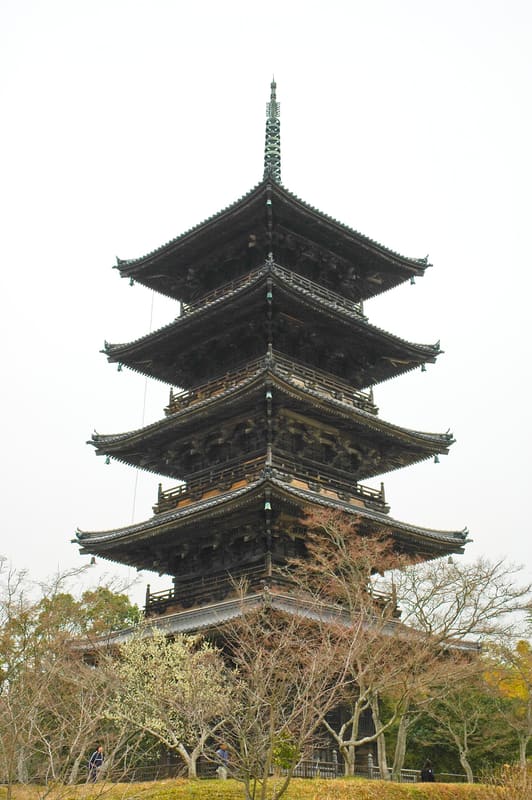 Bicchū Kokubunji8 kmphoto by by Reggaeman · CC BY-SA 3.0