
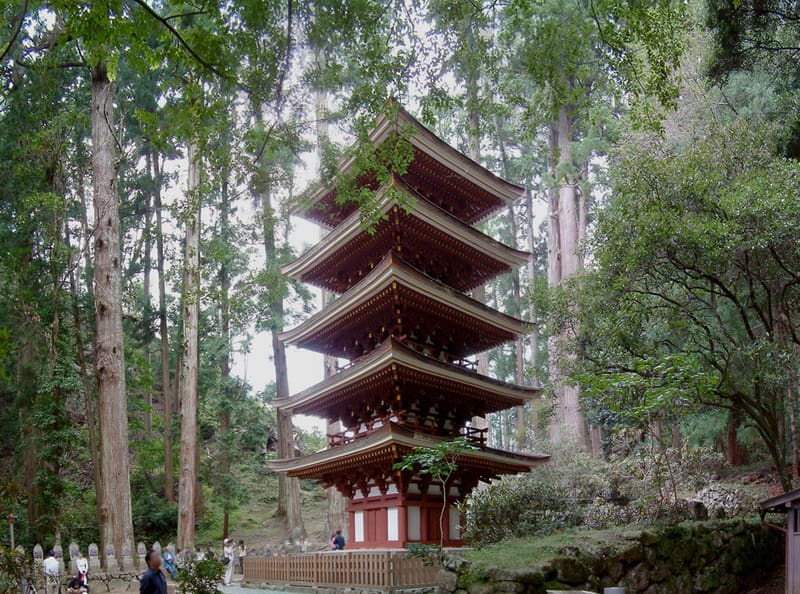
In 1998 a 50-metre cedar, brought down by a typhoon, bent the roof of the pagoda.
In 1998 a cedar 50 metres tall, brought down by Typhoon No. 7, struck the roof of the five-storey pagoda, breaking and bending the roof slopes on the north-west side. About 16 metres high, the pagoda is the second-oldest wooden pagoda still in existence in Japan, after the one at Hōryū-ji. The temple is known as the ‘Women's Kōya’ because it welcomed female pilgrims when Kōyasan, another sacred Buddhist mountain, remained closed to them.
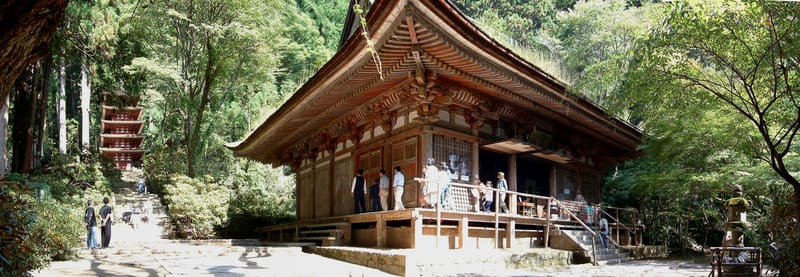
Founded in the Hōki era (770–781), Murō-ji is known as the ‘Women's Kōya’ (Nyonin Kōya) because, unlike Kōyasan, it admitted female pilgrims. Its five-storey pagoda, about 16 metres high, is the second-oldest wooden pagoda in Japan after the one at Hōryū-ji; the Kondō and the pagoda are designated National Treasures (国宝).
ℹ️ Admission 600 yen for adults and 400 yen for children; entry to the temple treasury costs another 400 yen.
🚉 おりは · 6 min walk
Holidays in Japan? Plan them with us.Over 2,000 real places, a day-by-day itinerary.FreeOpen the map →Sources: ja.wikipedia.org
Nearby
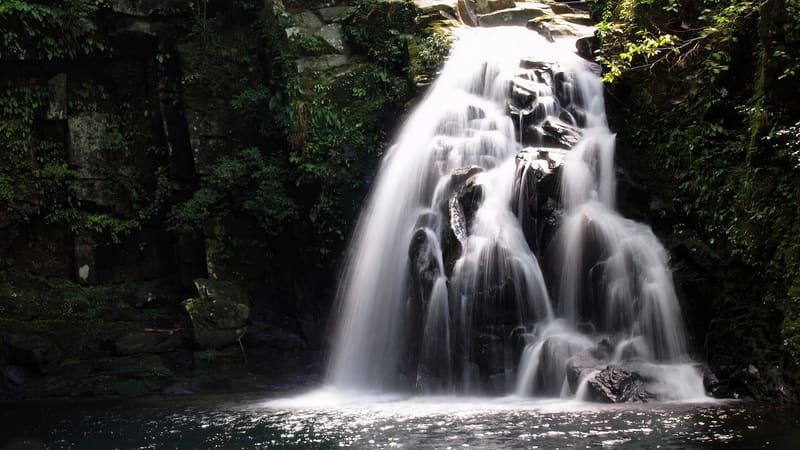 Akame Shijūhachi-taki5.6 kmphoto by coniferconifer · CC BY 2.0
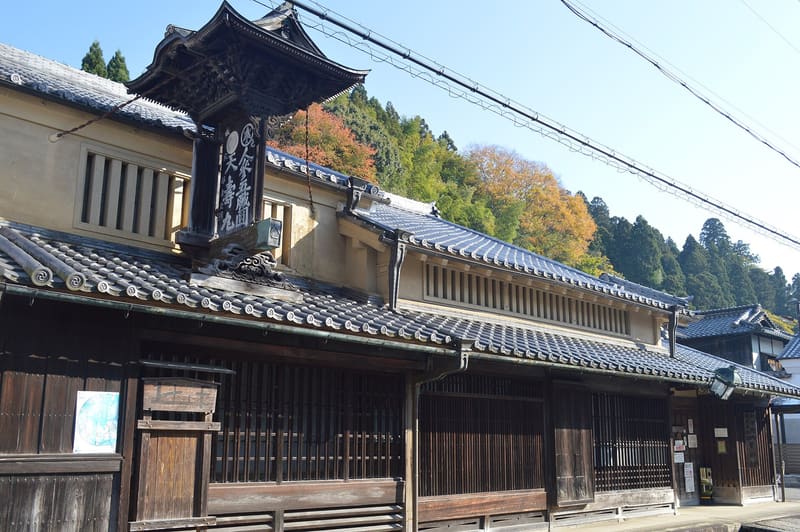 Uda-Matsuyama12.1 kmphoto by Asturio Cantabrio · CC BY-SA 4.0
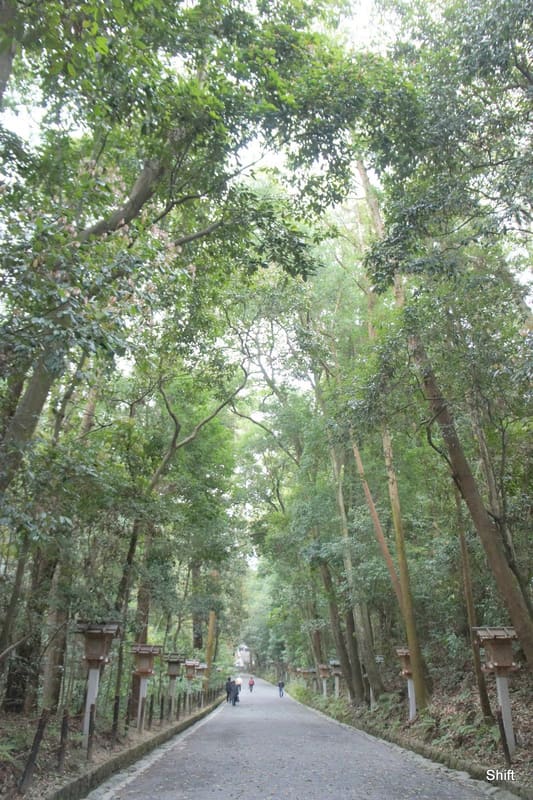 Ōmiwa Jinja17.3 kmphoto by Shift · CC BY-SA 3.0
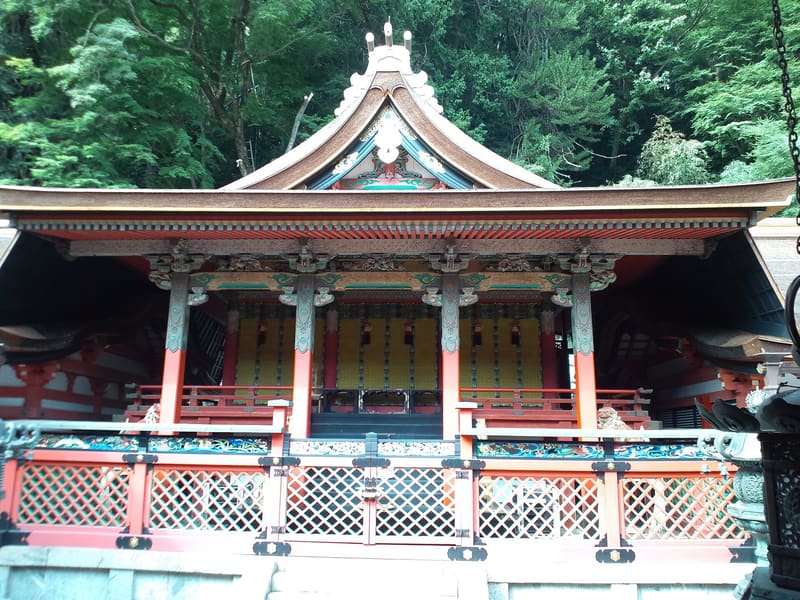 Tanzan Jinja18.3 kmphoto by Yanajin33 · CC BY-SA 3.0