
The rules of ikebana, the art of flowers, were born here: the school is still next door.
A hexagonal hall left wedged between the buildings of the city centre, with a glass skyscraper pressed up against it that reflects it whole. You can go in from six in the morning and you do not pay. In the paving there is a stone with a hole in it, the *heso-ishi*, ‘the navel of Kyoto’: that is where the exact centre of the old city lay.
Its official name is Chōhō-ji and its founding is attributed to Prince Shōtoku. It is the eighteenth stop on the Saikoku pilgrimage and the first on the Rakuyō pilgrimage. In the fifteenth century the monks who tended the altar flowers worked out here the rules of what would become ikebana, the Japanese art of arranging flowers: the Ikenobō family are the temple's clergy, and the Ikenobō school still has its headquarters in the building next door.
ℹ️ Free admission, grounds open from 6:00 to 17:00; the pilgrimage stamp counter opens at 8:30. ⚠️ The minutes from the stations are not stated on the page: it is right in the centre, between Karasuma and Kawaramachi.
🚉 Karasuma Oike · 6 min walk
Holidays in Japan? Plan them with us.Over 2,000 real places, a day-by-day itinerary.FreeOpen the map →Sources: ikenobo.jp
Nearby
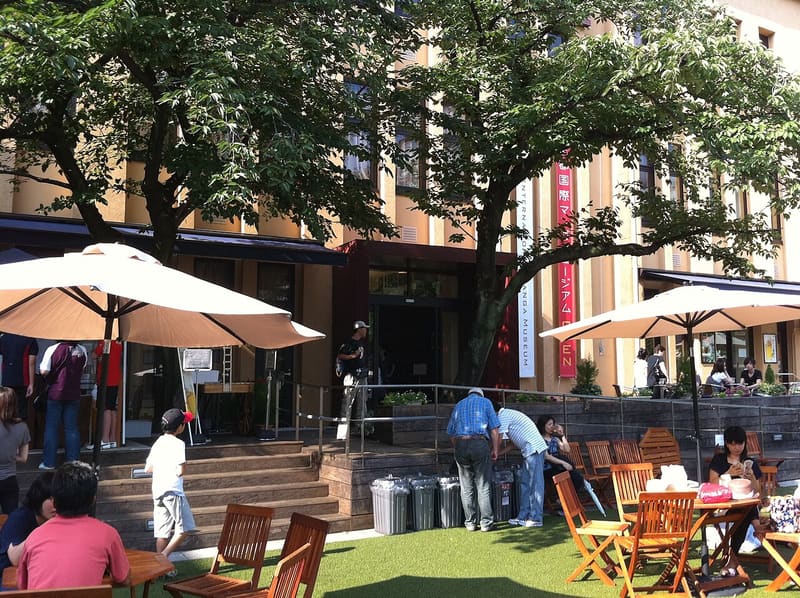 Kyoto International Manga Museum500 mphoto by akyuna · CC BY 3.0
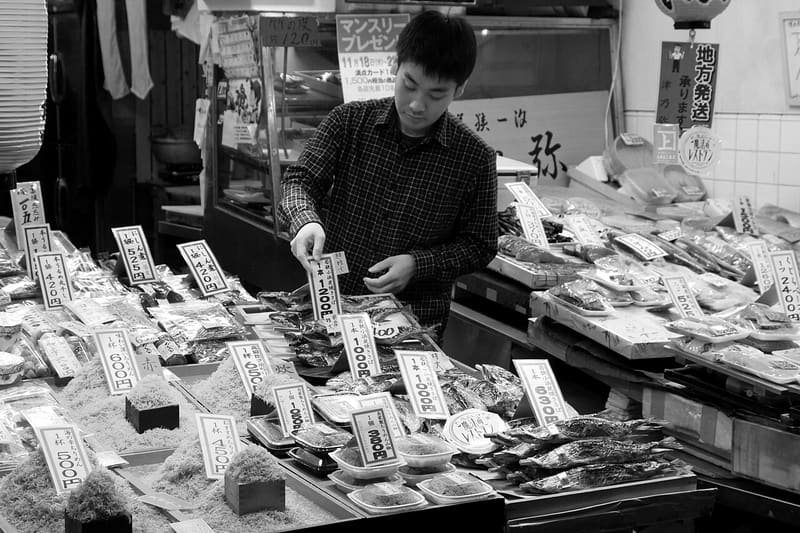 Nishiki Market600 mphoto by KimonBerlin · CC BY-SA 2.0
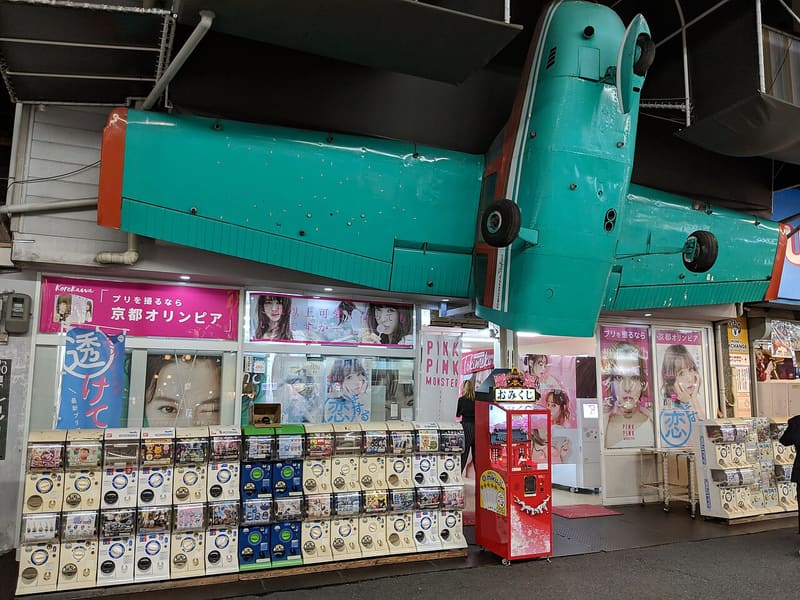 Teramachi and Shinkyogoku600 mphoto by Michael Ocampo from United States · CC BY 2.0
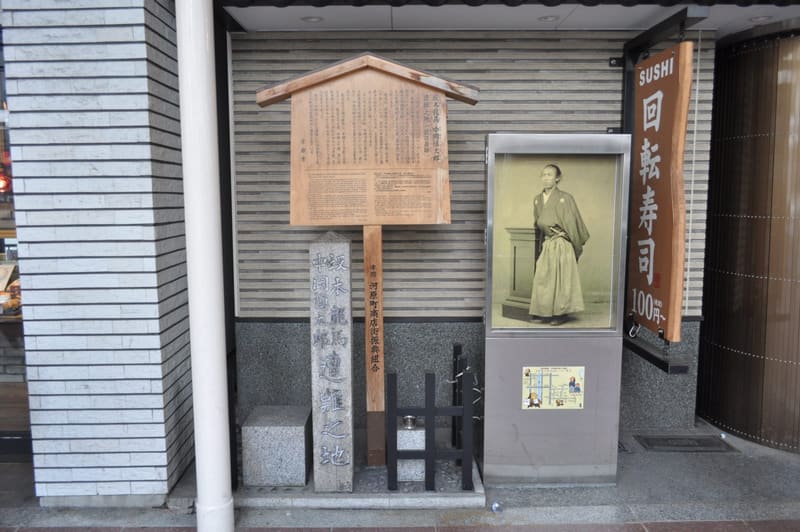 Ōmiya Site — ambush on Sakamoto Ryōma800 mphoto by Tokuzo in Edo Village (江戸村のとくぞう) · CC BY-SA 4.0