
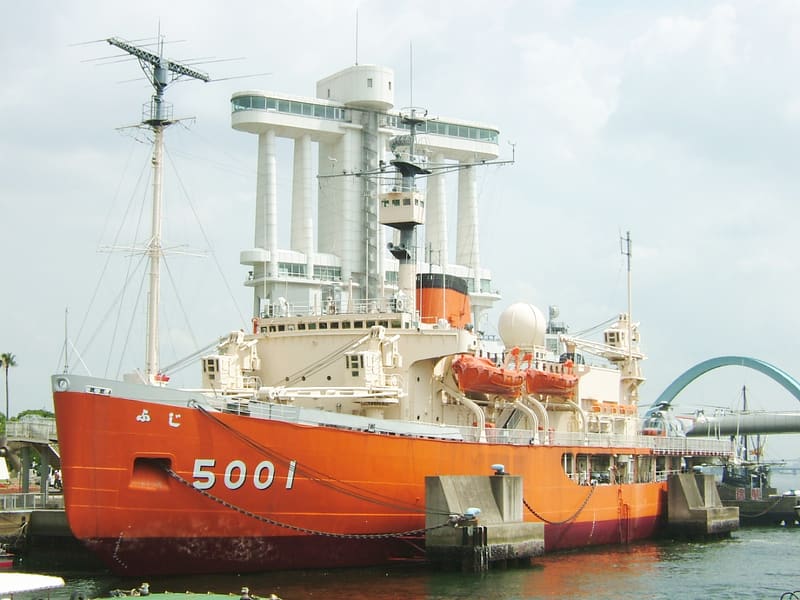
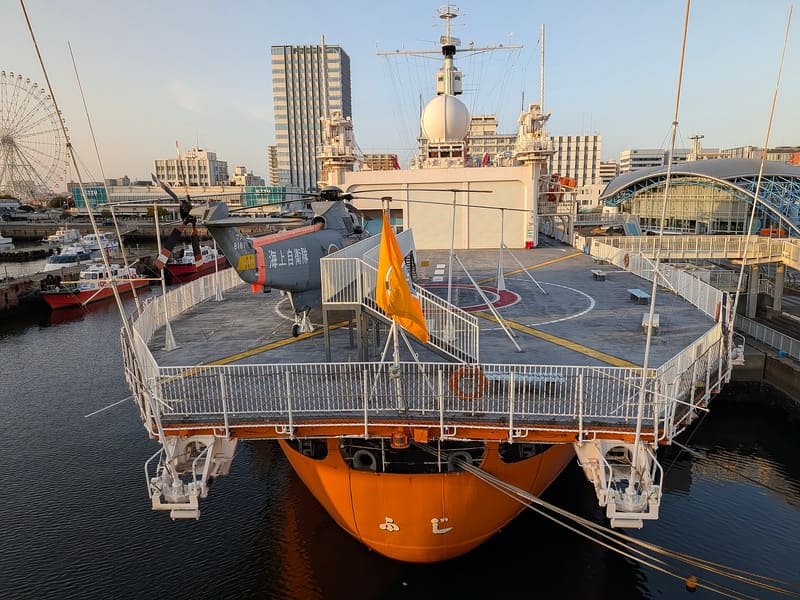
In eighteen years of Antarctic service it covered 680,000 km: seventeen times round the Earth.
You go up from the quay and enter through the orange side of the hull, a hundred metres long. Inside, the bridge still has its engine levers, the sickbay its bed, the galley its huge pots for hundreds of meals. In the hold a snowcat waits for ice that no longer comes, and the films show the men who unloaded it onto the pack ice.
The ふじ was the second Japanese ship built for Antarctic expeditions; it entered service in 1965 and stayed in it for eighteen years. It was the country's first true icebreaker and the first Japanese ship with DC diesel-electric propulsion. Retired, it is permanently moored at the Garden Pier in the port of Nagoya and can be visited in full: bridge, sickbay, cabins, galley, radio rooms, and the helicopter hangar turned into a museum of the Antarctic with exhibits, a snowcat and period films. A few hundred metres away, set on the ground along the promenade, is its bow anchor.
ℹ️ Open 9:30–17:00, last entry at 16:30, closed on Mondays except during Golden Week, from July to September, at the end of the year and in the school holidays; at the end of January it closes for a few days for maintenance. Tickets 300 yen for adults and high school students, 200 for elementary and junior high pupils, free under four. ⚠️ Before paying here, decide on the rest of the day: with 710 yen you also get the maritime museum and the Port Building observation deck, with 2,440 the aquarium as well, which is on the same quay. The stairs inside are steep and narrow, as on any ship, and anyone with knee problems notices it by the second deck.
🚉 Nagoyakō · 6 min walk
Holidays in Japan? Plan them with us.Over 2,000 real places, a day-by-day itinerary.FreeOpen the map →Sources: nagoyaaqua.jp · port-of-nagoya.jp · nagoya-info.jp · industrial-tourism.nagoya-cci.or.jp
Nearby
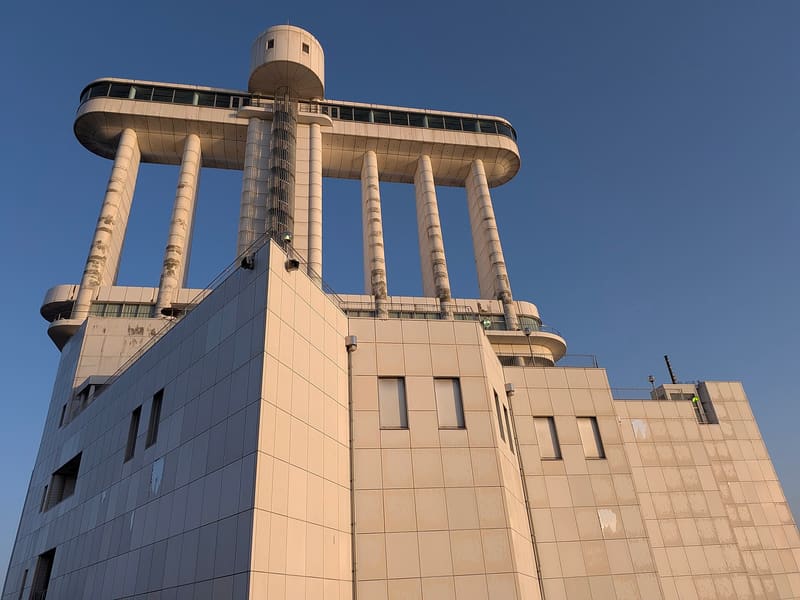 Port Building and Nagoya Maritime Museum100 mphoto by Syced · CC0
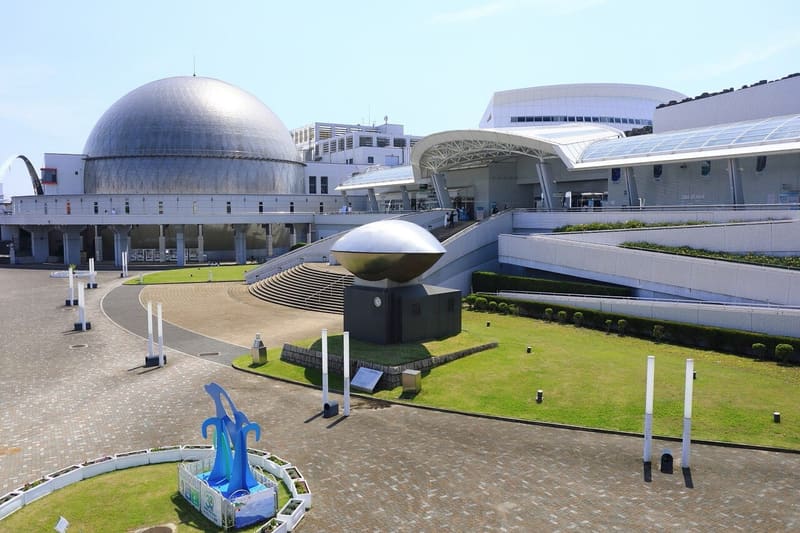 Port of Nagoya Aquarium200 mphoto by Tomio344456 · CC BY-SA 4.0
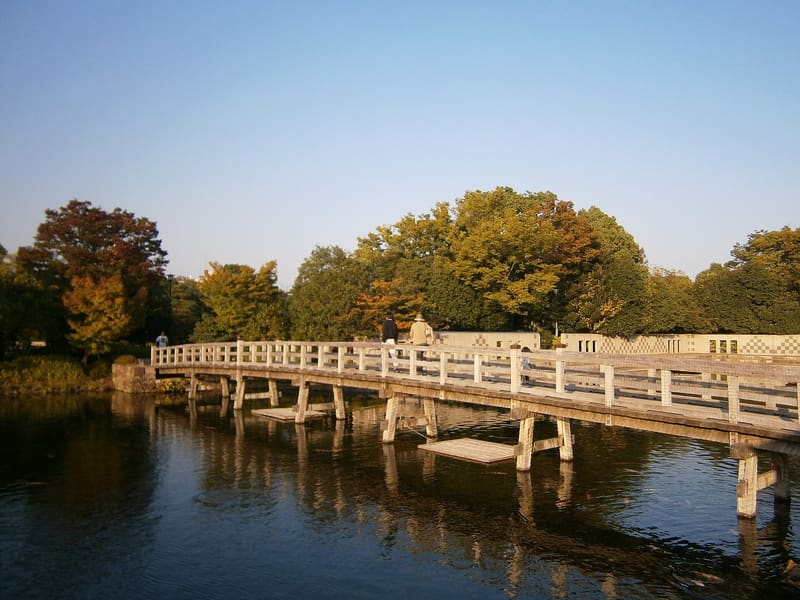 Shirotori Garden4.4 kmphoto by Nagono · CC BY-SA 3.0
 Atsuta Shrine4.8 kmphoto by z tanuki · CC BY 3.0