
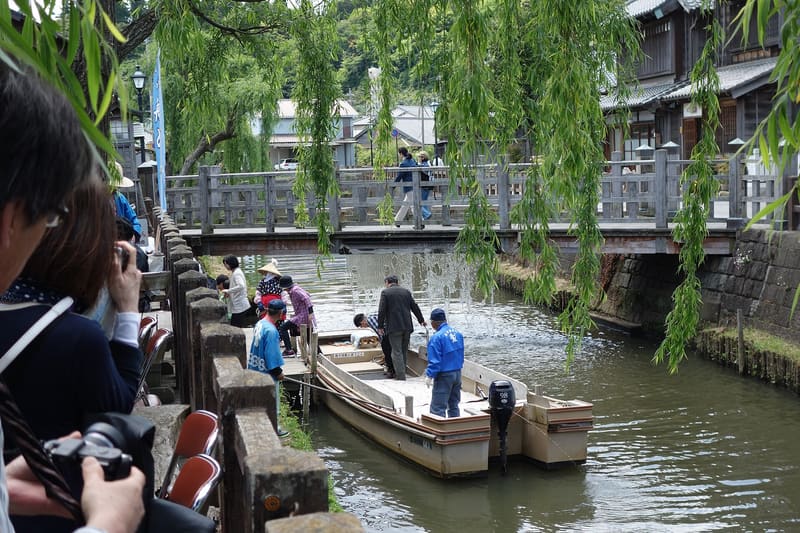
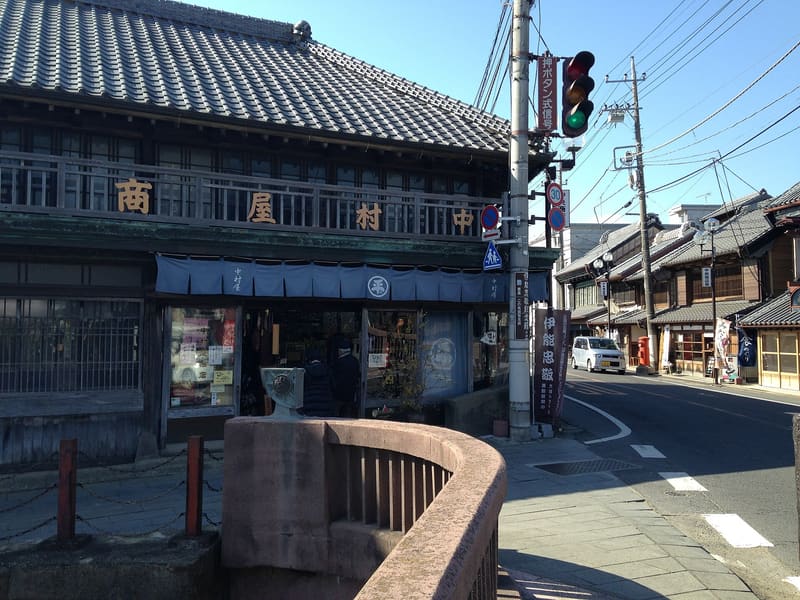
In 1996, the first in the Kantō: a protected historic district, with houses still facing the canal.
Kura-style merchant houses, with earthen walls and heavy roofs, are reflected in the small Ono River. Sawara prospered as a hub of river transport between Edo and the hinterland, to the point of earning the nickname ‘Edo-masari’ (better than Edo). Unlike many preserved districts, here the shops are still working family businesses, not showcases for tourists.
The district along the Ono River and the Katori-kaidō street was designated an ‘Important Preservation District for Groups of Traditional Buildings’ (重要伝統的建造物群保存地区) in December 1996, the first in the Kantō. Inō Tadataka, the cartographer who surveyed the whole of Japan on foot, was born and lived here.
ℹ️ Free access to the district. The ‘Koedo Sawara Funameguri’ boat leaves right in front of Inō Tadataka's house, lasts about 30 minutes, costs 1,300 yen for an adult (700 for a child) and runs from 10:00 until the evening, with shorter hours in winter (source: aggregated search across several tourist sites).
🚉 Sawara · 11 min walk
Holidays in Japan? Plan them with us.Over 2,000 real places, a day-by-day itinerary.FreeOpen the map →Sources: city.katori.lg.jp · city.katori.lg.jp
Nearby
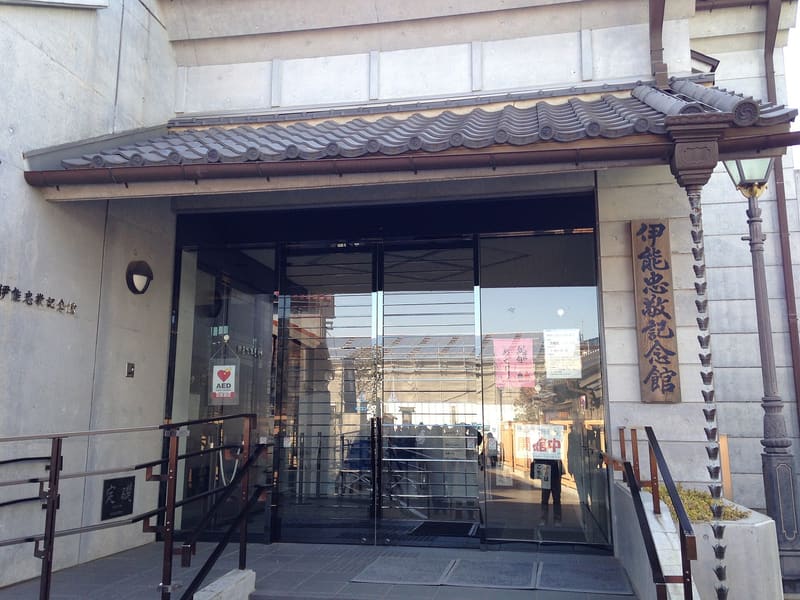 Inō Tadataka Memorial Museum200 mphoto by そらみみ · CC BY-SA 3.0
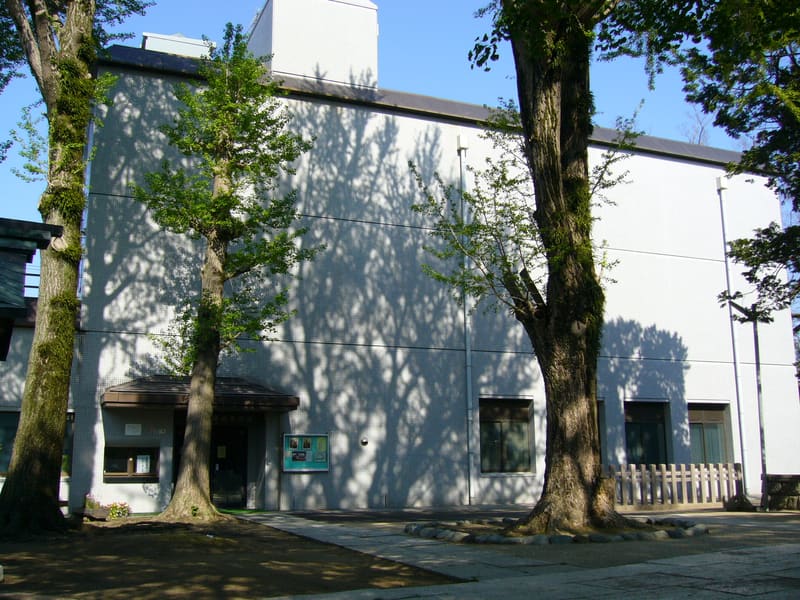 Sawara Float Museum (Suigō Sawara Dashi Kaikan)200 mphoto by katorisi · CC BY 2.5
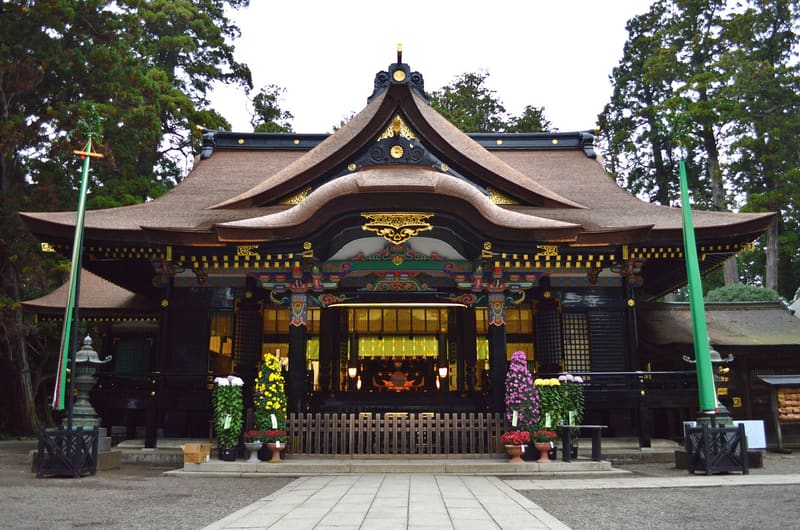 Katori Shrine (Katori Jingū)2.7 kmphoto by Saigen Jiro · CC0
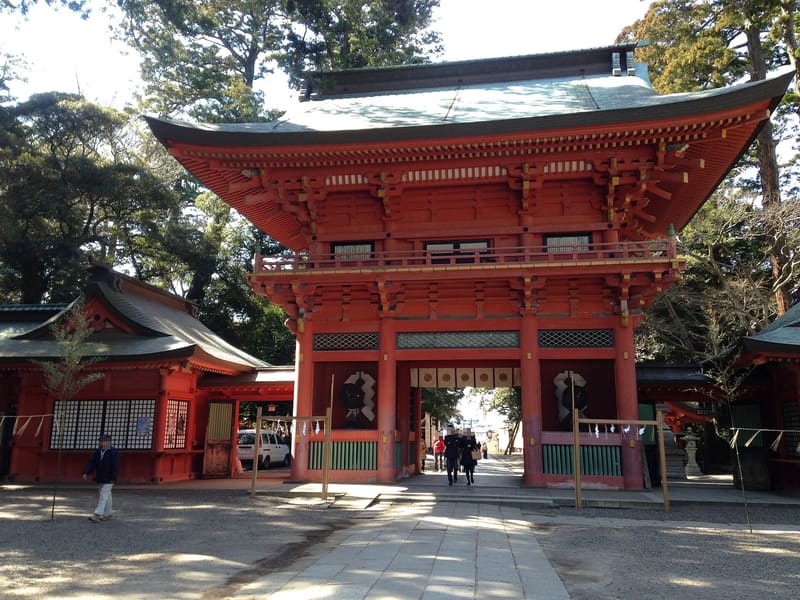 Kashima Shrine14.9 kmphoto by そらみみ · CC BY-SA 3.0