
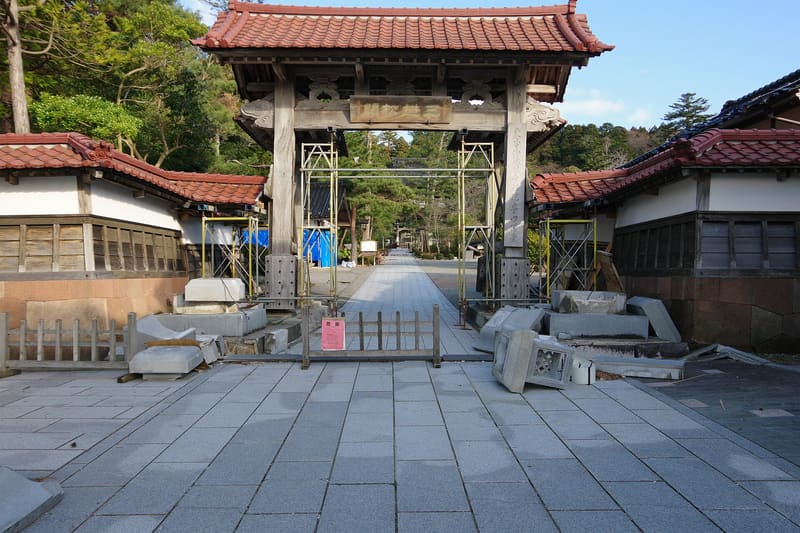
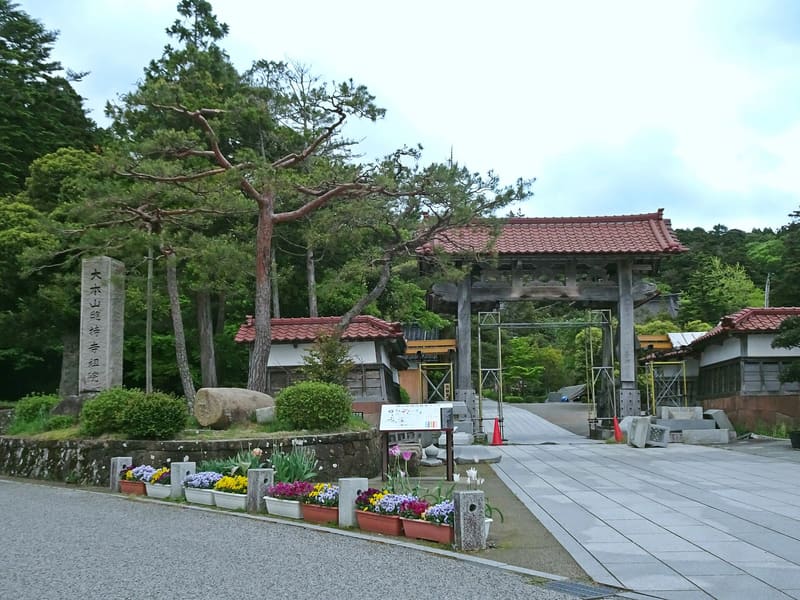
Damaged in 2024, the temple will not be fully restored until 2035.
The temple has been partly open to visitors again since 15 June 2024, after the Noto Peninsula earthquake of 1 January that year had damaged 41 buildings in the complex: anyone going today will still find building sites and fenced-off areas next to the halls already returned to worship. In December 2024 sixteen of the damaged buildings were proposed for designation as national Important Cultural Properties, and the official reconstruction plan published by the temple runs in three phases until March 2035, at a budgeted cost of about 39 billion yen.
One of the two head temples (大本山) of the Sōtō Zen school of Buddhism, founded in 1321 by Keizan Jōkin, it was the mother temple of the order for over five centuries, until a fire in 1898 moved the administrative seat to the new Sōji-ji in Yokohama; this one remained the ancestral temple, the Sōin, rebuilt in the early twentieth century. The Noto Peninsula earthquake of 1 January 2024 hit it hard, opening the restoration phase that is still under way, for which the temple has made public a three-phase plan.
ℹ️ Normal hours 8:00–17:00; winter hours (21 December – 20 March) reduced to 9:00–16:00, except on 1 January. Many buildings remain inaccessible because of the safety and restoration work under way. 25 minutes by car from the Anamizu interchange on the Noto Satoyama Kaidō, or 35 minutes by bus from Anamizu Station on the Noto Railway. Public car park at Zen no Sato Plaza, 5 minutes' walk.
Holidays in Japan? Plan them with us.Over 2,000 real places, a day-by-day itinerary.FreeOpen the map →Sources: hot-ishikawa.jp · noto-soin.jp · noto-soin.jp · noto-soin.jp
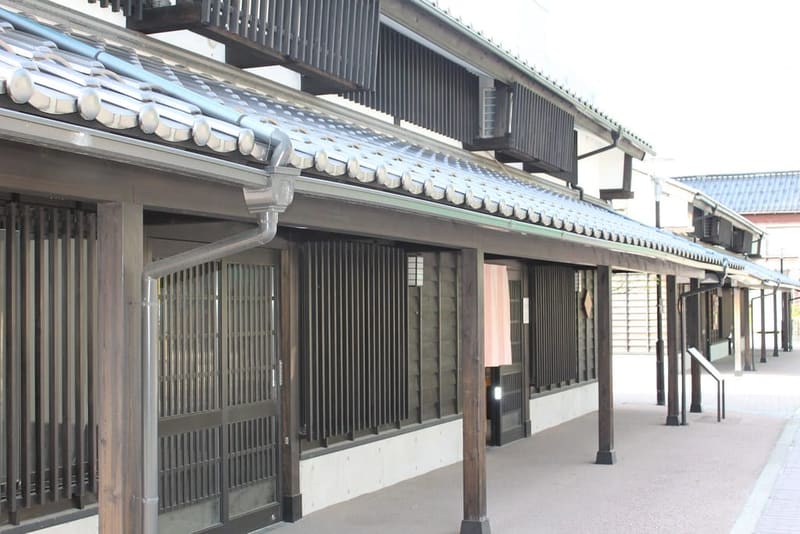 Wajima Kōbō Nagaya (lacquer workshops)