
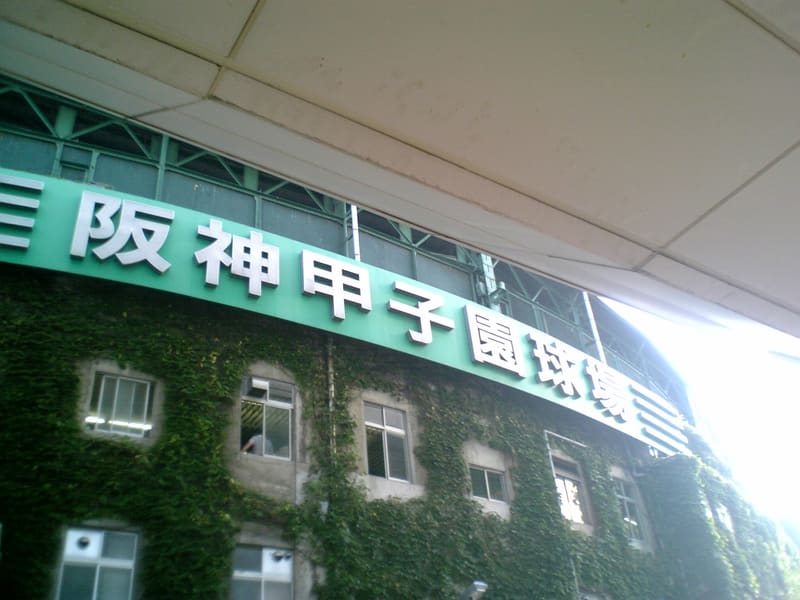
In 1958 Okinawa could not take the field's soil home: it was under US occupation.
The losing players kneel and fill their pockets with soil from the field: a tradition that perhaps began in 1937 and became known all over Japan in 1958, when the Okinawa team, under US occupation, could not get it through customs and had to leave it behind. Ivy grew on the 1924 concrete walls; it was removed in 2007 for building work and replanted from cuttings that had been kept: in 2009 it covered the equivalent of 8,000 tatami.
Built in 1924 in Nishinomiya (then the village of Naruo) by the Hanshin railway, it was Japan's first large baseball stadium; the name comes from kōshi (甲子), the sign of the sixty-year calendar that fell in that very year. It is the home stadium of the Hanshin Tigers professional team and for a century has hosted the two national high school baseball tournaments, one in spring (Senbatsu) and one in summer.
ℹ️ It has no car park of its own: you can only get there by public transport. You can visit the field on match or tournament days with a ticket (price depending on the game); next to it stands the Kōshien History Museum (甲子園歴史館), with separate admission, holding the soil of the high school tournaments and memorabilia from past seasons.
🚉 Koshien · 4 min walk
Holidays in Japan? Plan them with us.Over 2,000 real places, a day-by-day itinerary.FreeOpen the map →Sources: koshien.hanshin.co.jp · koshien.hanshin.co.jp · koshien.hanshin.co.jp · jpnculture.net · jhbf.or.jp · baseballchannel.jp
Nearby
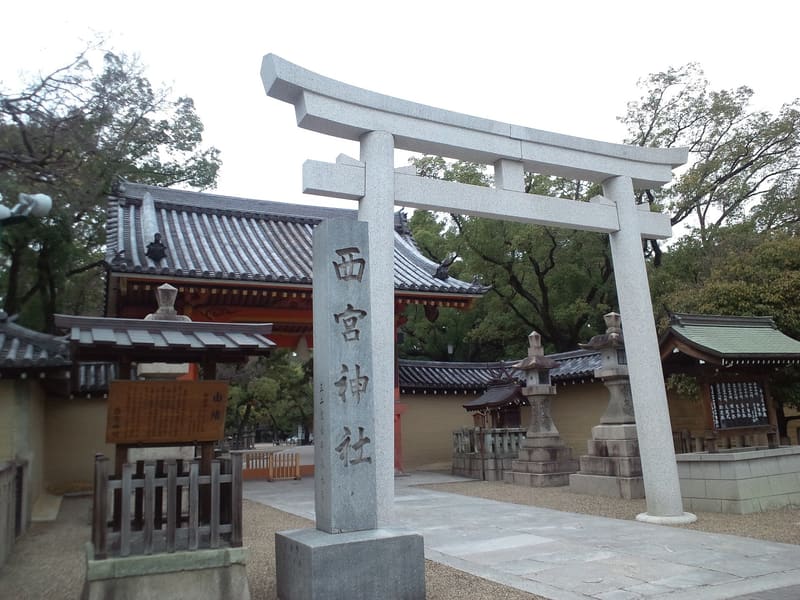 Nishinomiya Jinja2.7 kmphoto by Yanajin33 · CC BY-SA 3.0
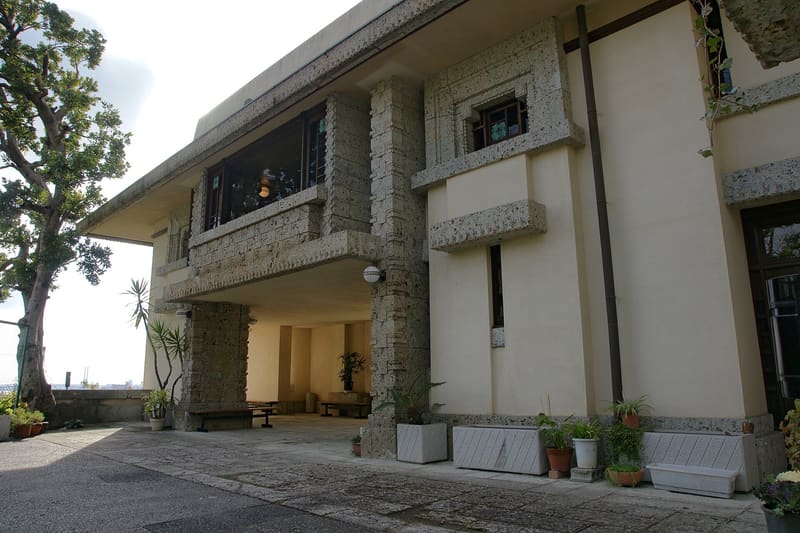 Yodokō Geihinkan (Yamamura House)5.9 kmphoto by 663highland · CC BY-SA 3.0
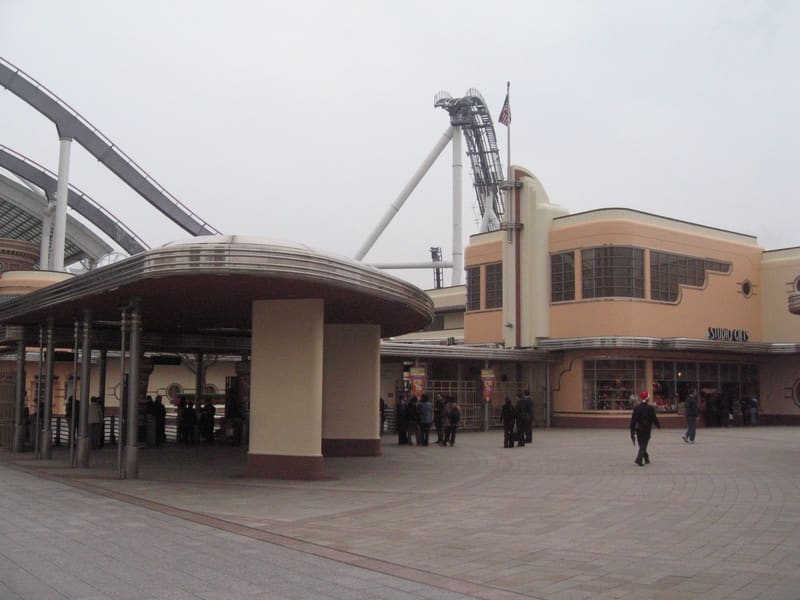 Universal Studios Japan9.1 kmphoto by Terence Ong · CC BY 2.5
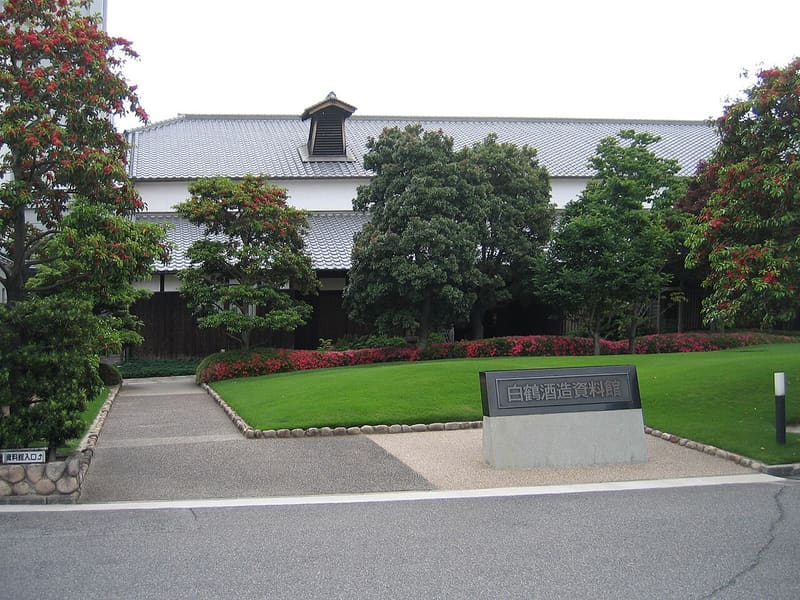 Hakutsuru Shuzo Museum — Kobe9.2 kmphoto by Bittercup · CC BY-SA 3.0