
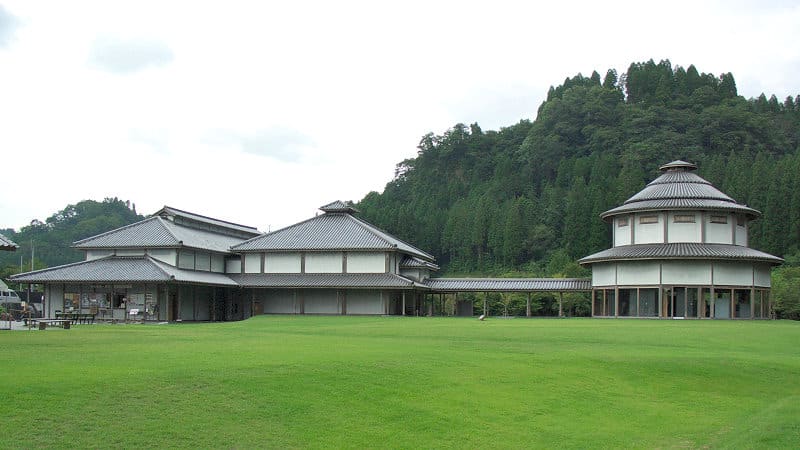
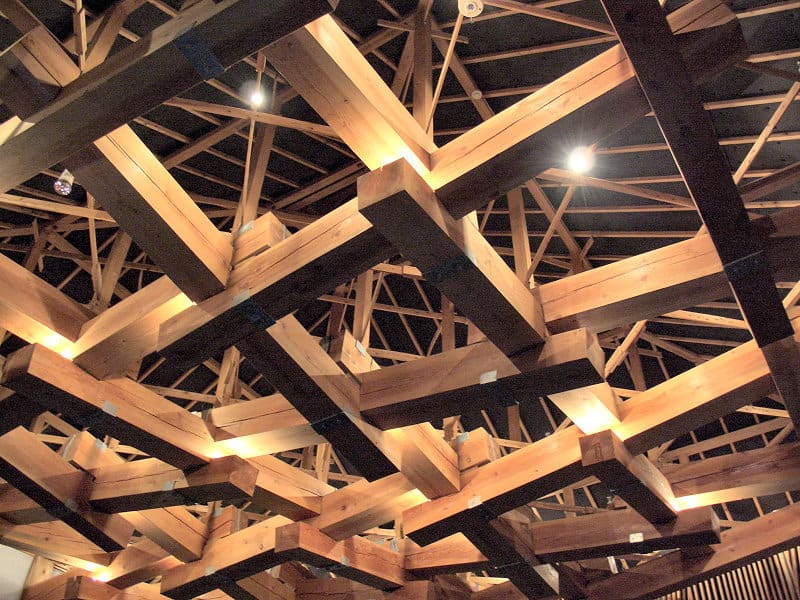
Since 1992 it has been the only theatre in Kyūshū built for bunraku: the puppets are moved by farmers.
In the wooden hall, bunraku, the Japanese puppet theatre, is staged on the 2nd and 4th Sunday of the month and every Sunday from July to November, at 13:30. Three people move each puppet, farmers from the area who go back to the fields when the show ends. Afterwards the audience can touch the puppets and try handling them.
Bunraku (人形浄瑠璃) is puppet theatre accompanied by the narrative singing jōruri and by the shamisen, the three-stringed instrument. In Seiwa it began around 1850, when some inhabitants of the former village, fans of jōruri, bought puppets from a travelling company from Awaji island and learned the technique; hence the broad gestures of the puppets, which are said to have arisen so that they could be seen in the poor light of fires and candles. The company, made up of farmers, performed on the country stages of shrines. It declined at the end of the Meiji era (1912), resumed in 1926, and in 1960 two holders of the puppet technique were designated prefectural Intangible Cultural Properties; in 1979 the whole company was, and the village made it the flagship of its revival. The theatre was built in 1992 as a project of Kumamoto Artpolis (the prefecture's architecture programme), in wood, designed by the architect Ishii Kazuhiro, with stage, hall and exhibition in three buildings; since 1994 singers and shamisen players have also returned, and there are about two hundred performances a year.
ℹ️ Open 9:00–16:30, closed on Tuesdays (open if that is a public holiday), at the end of the year (dates not published) and on maintenance days. The regular show lasts about 60 minutes and is staged at 13:30 on the 2nd and 4th Sunday of the month, and every Sunday from July to November; the short 30-minute version has irregular dates and you ask the theatre. Ticket with exhibition: 2,000 yen from high school upwards, 1,500 for junior high, 1,000 for elementary school (rates of 01/07/2025); the exhibition alone costs 600 yen, 300 for young people. After the show there is, for about 5 minutes, the mechanical stage set ‘senjō zashiki’: a tatami room that looks a thousand mats wide (not in every play), and then the moment when you can touch the puppets. On days without a show the exhibition and a film of about 25 minutes remain. On 31/10/2026 (Saturday) there is the festival 清和文楽の里まつり, from 10:00 to 15:00, with a free special show at 14:15. It stands inside the michi-no-eki 清和文楽邑 (roadside rest area with a shop) on National Route 218, with a car park for 61 cars; scheduled buses are infrequent, so by car only: five minutes from Heitate Shrine, fifteen from Tsūjunkyō Bridge. ⚠️ Status after the earthquake of 28/07/2026: no official page dated after that day says the theatre is open, and the pages announcing the October events carry no date; phone first on 0967-82-3001.
Holidays in Japan? Plan them with us.Over 2,000 real places, a day-by-day itinerary.FreeOpen the map →Sources: seiwabunraku.com · seiwabunraku.com · seiwabunraku.com · seiwabunraku.com · seiwabunraku.com · seiwabunraku.com · commons.wikimedia.org
Nearby
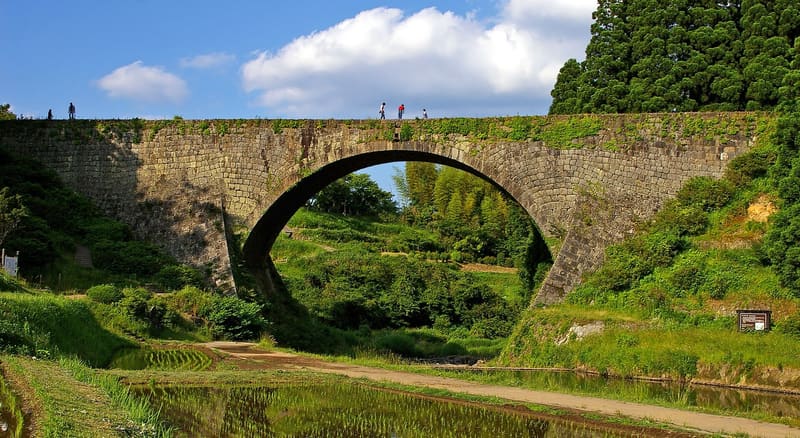 Tsūjunkyō Bridge9.2 kmphoto by masamic, edited by Laitche · CC BY-SA 3.0
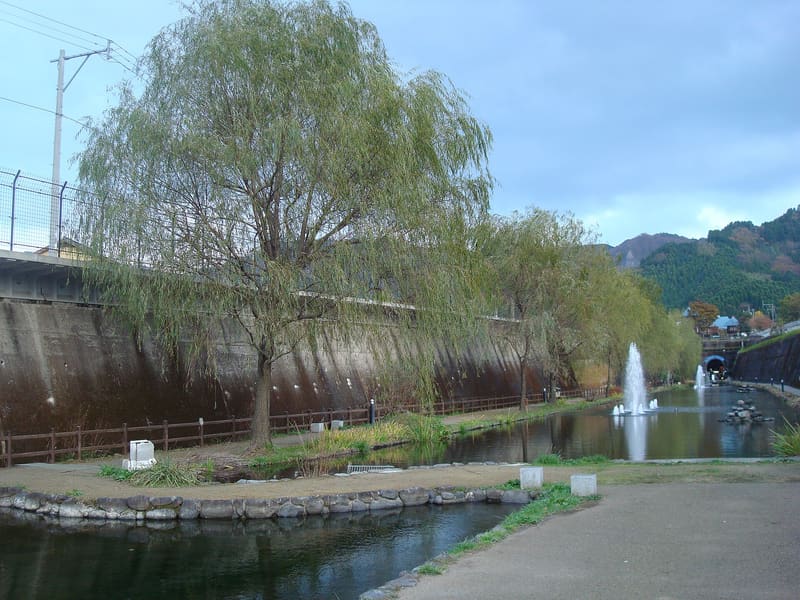 Takamori Spring Tunnel Park13.9 kmphoto by Tzu-hsun, Hsu · CC BY-SA 4.0
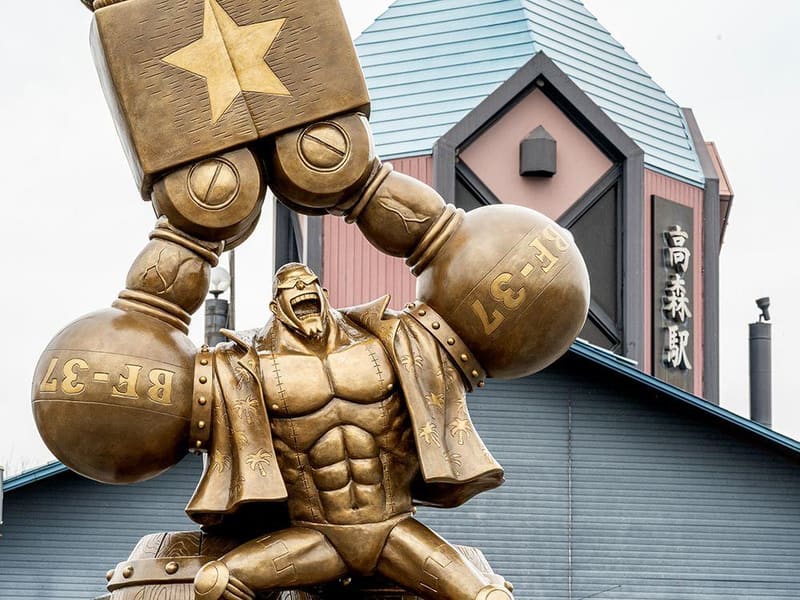 Franky Statue — Takamori Station14.6 km
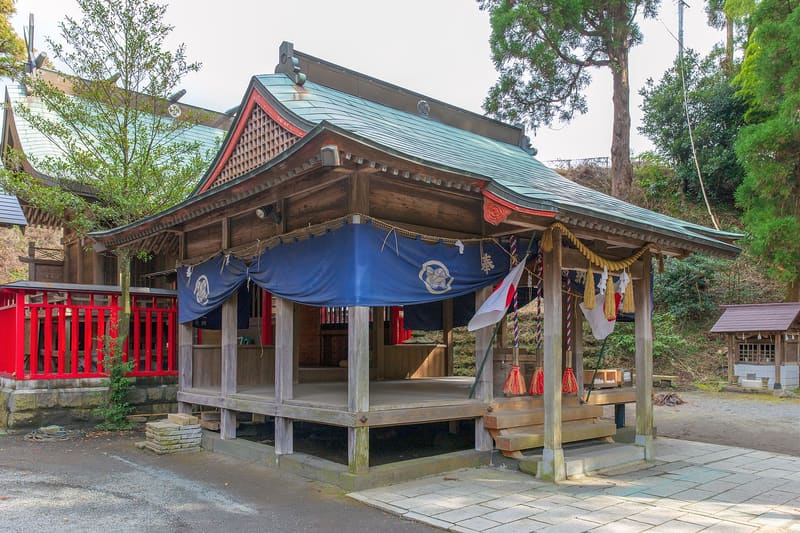 Shirakawa Spring14.9 kmphoto by Yasu ( talk ) · CC BY-SA 3.0