
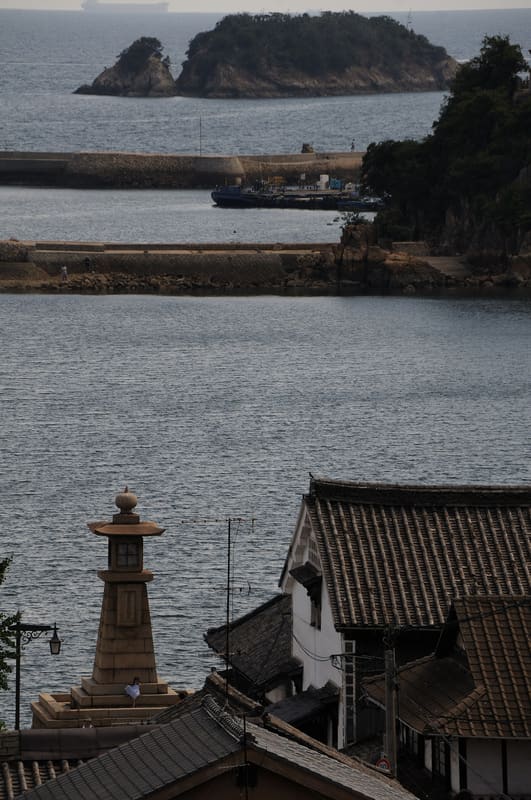
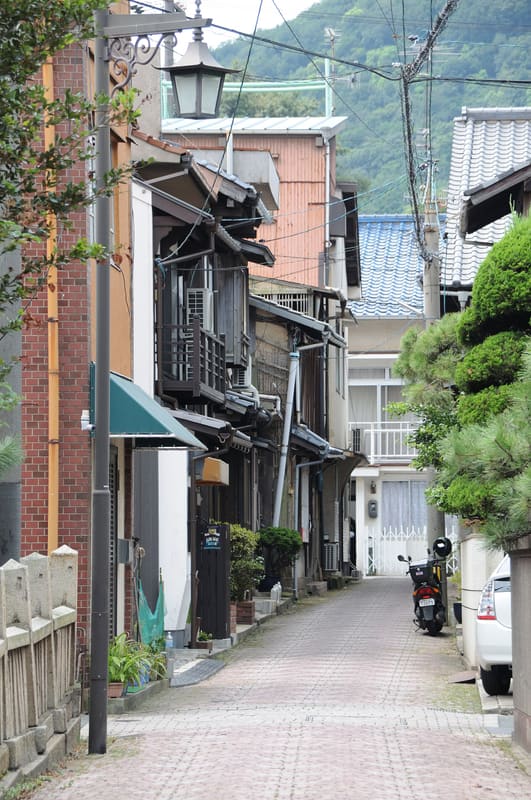
The stone lighthouse of 1859, 12.1 metres tall, is the largest surviving one from the Edo period.
The stone lantern lighthouse (常夜燈) is 12.1 metres tall from its submerged foundations to the top: the largest surviving one from the Edo period in Japan. It is the only port in the country with all five structures of the late Edo/early Meiji period still standing – lighthouse, breakwater, stone steps (雁木) for a tidal range of up to 4 metres, fire lookout platform and the remains of the guard post – and its maps from the mid and late Edo period match today's streets almost exactly, a case unique in Japan.
An Edo-period port town on the southern coast of Fukuyama, also visited by Dutch merchants and Korean embassies. It prospered as a ‘port for waiting on the tide’ (潮待ちの港): ships on the Seto Inland Sea stopped here to wait for the current to turn. The stone lantern lighthouse was built in 1859. An envoy of the Korean embassy called it ‘日東第一形勝’, the most beautiful landscape east of Japan.
ℹ️ Streets and port always accessible and free.
🚉 鞆港(県営桟橋) · 5 min walk
Holidays in Japan? Plan them with us.Over 2,000 real places, a day-by-day itinerary.FreeOpen the map →Sources: city.fukuyama.hiroshima.jp · japan-heritage.bunka.go.jp · jasnaoe.or.jp
Nearby
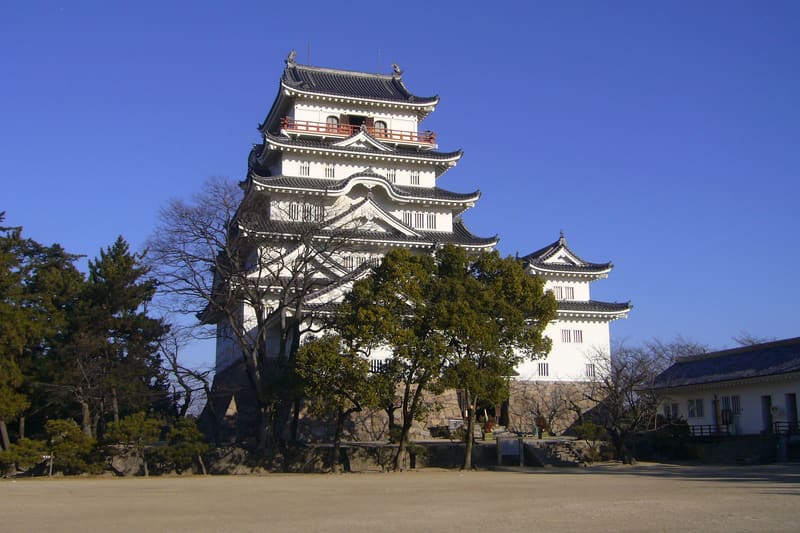 Fukuyama Castle12.2 kmphoto by 663highland · CC BY 2.5
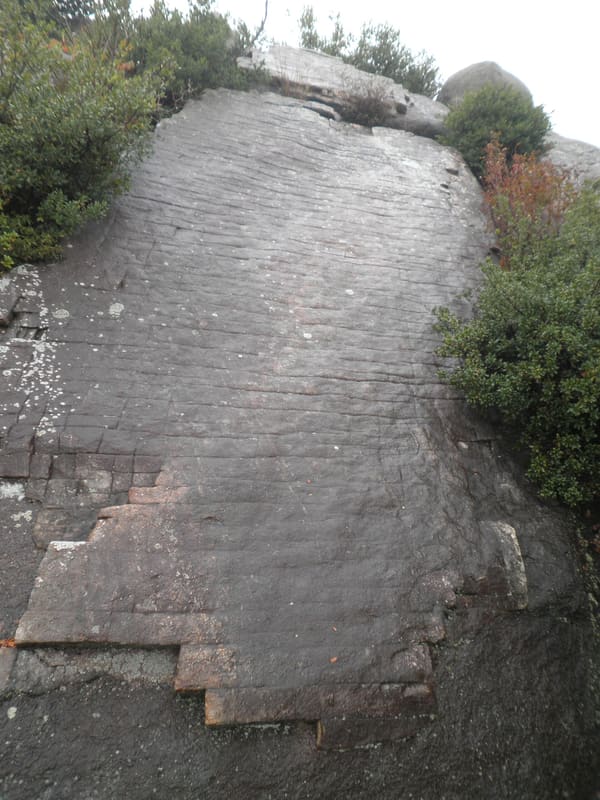 Shiraishi-jima12.6 kmphoto by At by At · CC BY-SA 3.0
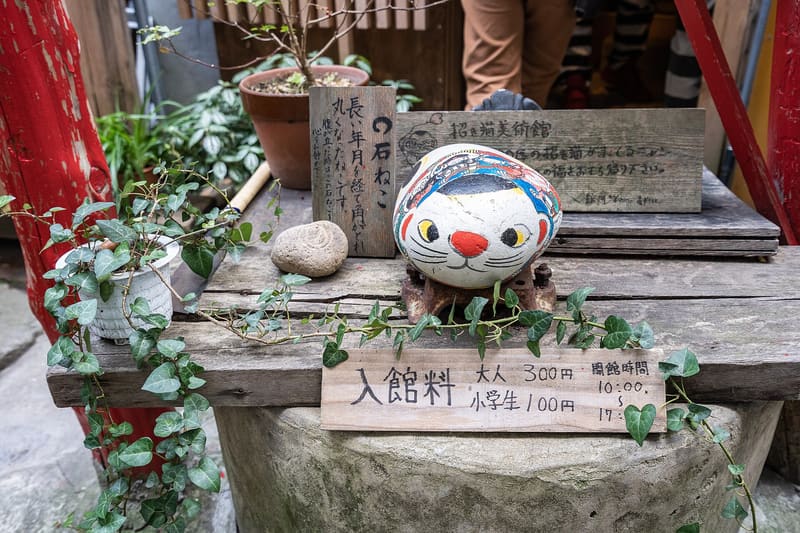 Onomichi Cat Alley16.9 kmphoto by wongwt · CC BY-SA 2.0
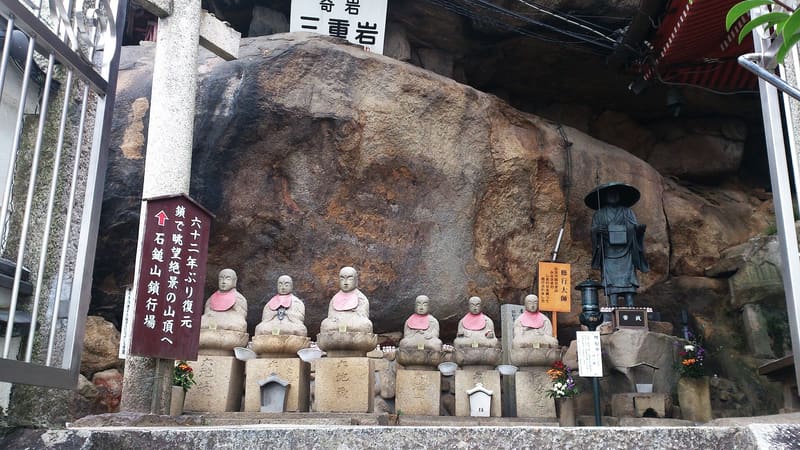 Senkōji17 kmphoto by lienyuan lee · CC BY 3.0