
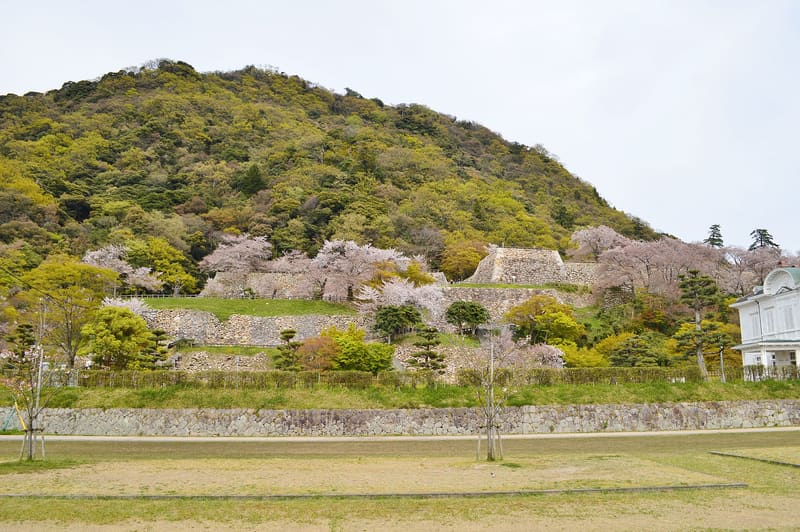
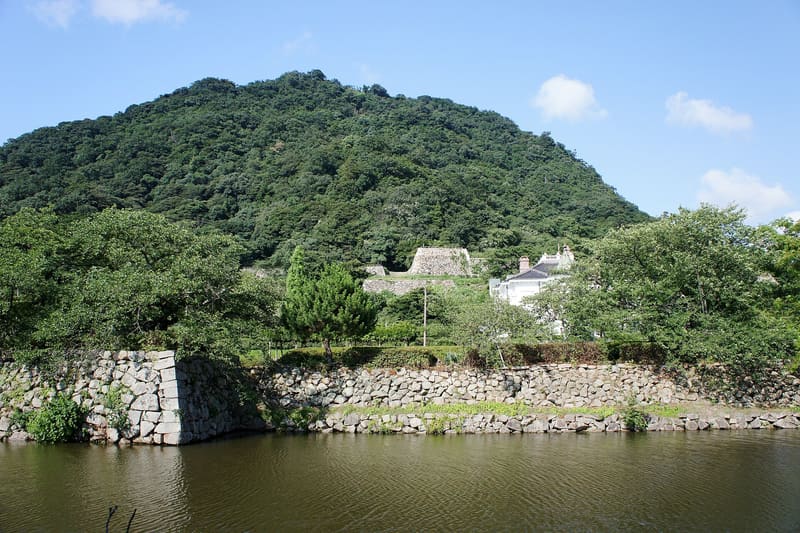
Hideyoshi's siege of 1581: after two months people were eating roots and corpses from hunger.
A 16th-century mountain fortress on Mount Kyūshō (263 m), it was the target of the harshest siege by starvation of the Sengoku period: in October 1581, after the horses, bark and roots had already run out, the commander Kikkawa Tsuneie surrendered to Hideyoshi and took his own life to spare his men. In the Edo period the castle was enlarged by Ikeda Mitsumasa with craftsmen already at work on Himeji Castle. What remains is the ‘巻石垣’, the only curved-surface stone wall in Japan, built around 1807 to hold back landslides: the tenshu was never rebuilt.
Seat of the 32 万石 of the Tottori domain throughout the Edo period, the castle was dismantled in the Meiji Restoration and today remains as a ruin (walls, moats and the base of the keep) in the public park of Kyūshō, selected among the 日本100名城 (no. 63) in 2006. About 240 someiyoshino cherry trees surround it.
ℹ️ Free-entry park, open 24 hours, with no closing days. Only the ruins remain: there is no rebuilt tenshu to visit for a fee. The nearby Jinpūkaku (a Queen Anne building from 1907) has its own ticket and opening hours, to be checked on the official website. Cherry blossom roughly late March–early April.
🚉 Tottori · 30 min walk
Holidays in Japan? Plan them with us.Over 2,000 real places, a day-by-day itinerary.FreeOpen the map →Sources: torican.jp · torican.jp · tabi-samurai-japan.com · ja.wikipedia.org · nippon.com
Nearby
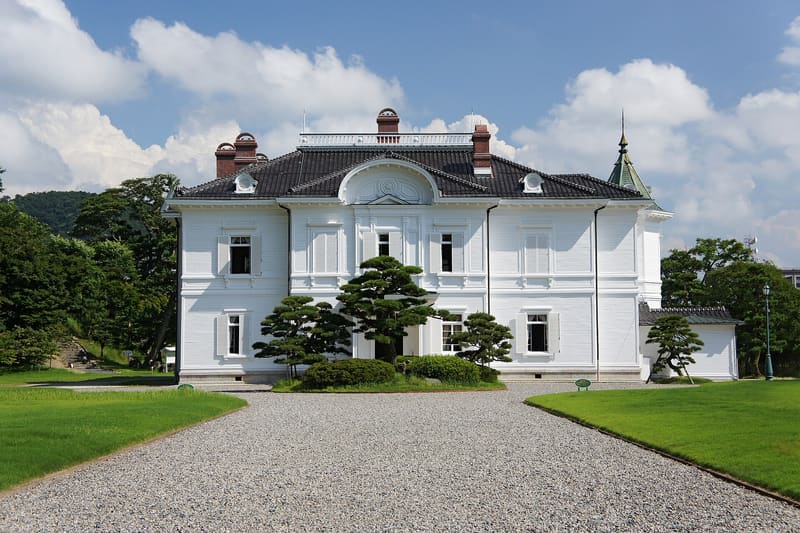 Jinpūkaku800 mphoto by 663highland · CC BY 2.5
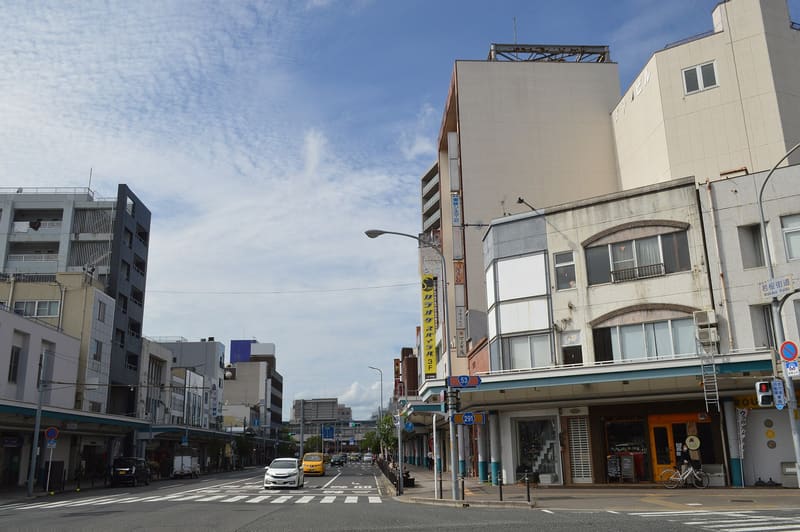 Wakasa-kaidō — home of the Tottori Shanshan Matsuri1.5 kmphoto by Asturio Cantabrio · CC BY-SA 4.0
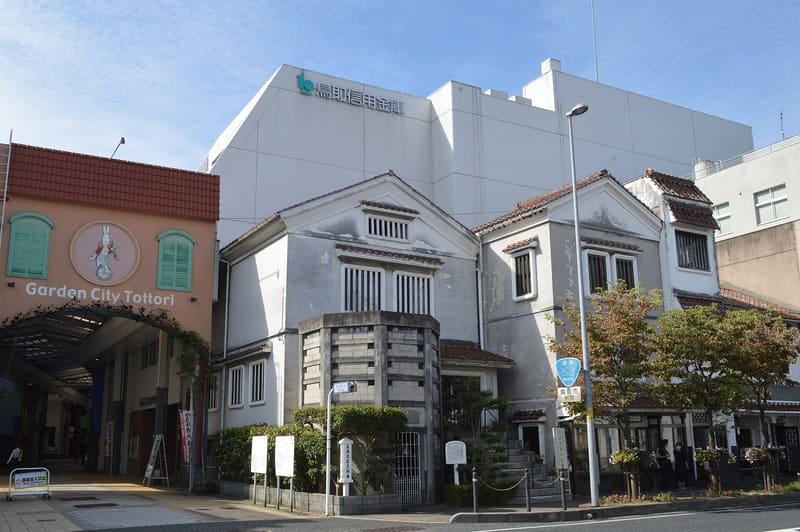 Tottori Mingei Museum1.5 kmphoto by Asturio Cantabrio · CC BY-SA 4.0
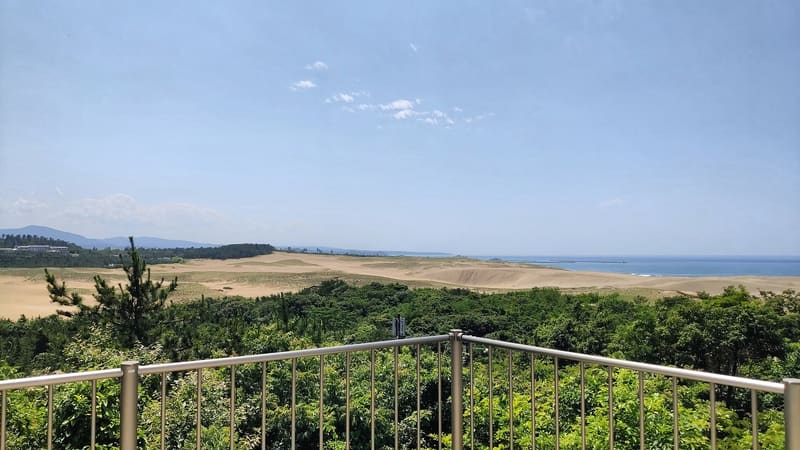 Tottori Sand Dunes3.9 kmphoto by Drivephotographer · CC0