
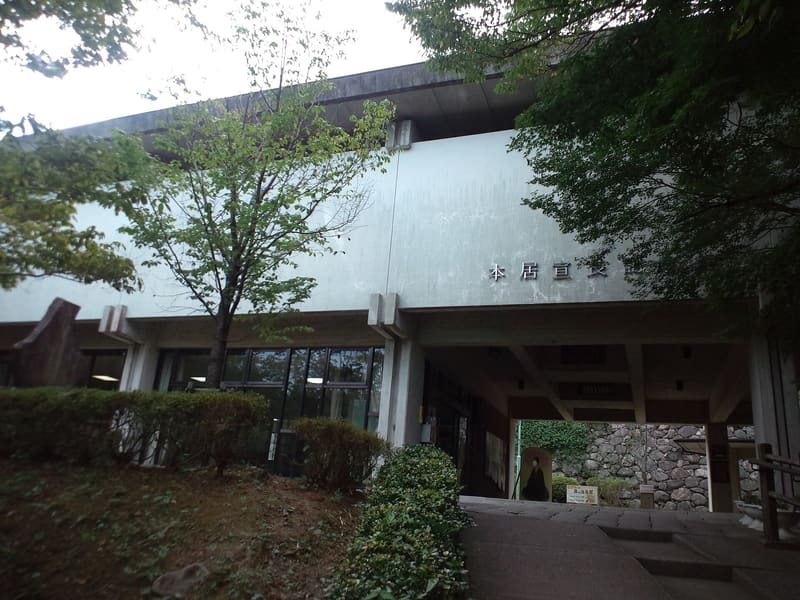
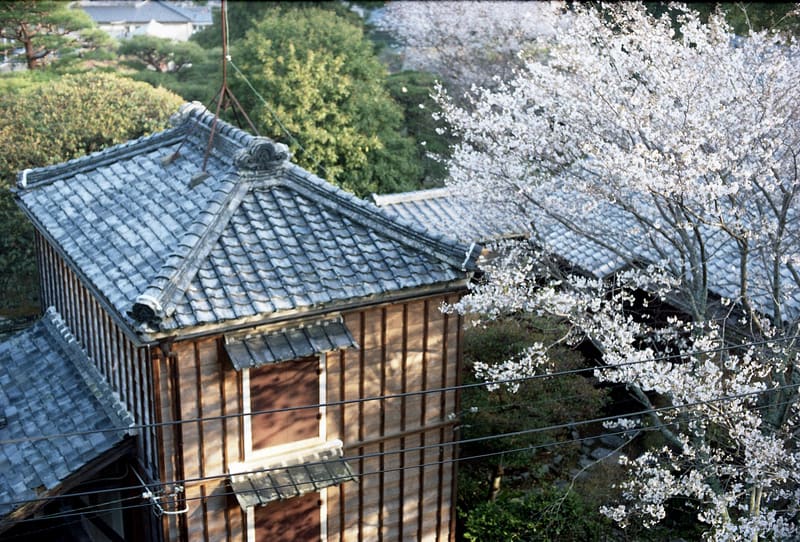
The scholar worked in a room of 4 and a half tatami, with a bell of his own design.
The scholar worked in a room of just four and a half tatami, which he called Suzunoya, the ‘house of the bell’, after a bell of his own design hung from the ceiling: he lived in this house from the age of 12 until his death at 72, practising medicine by day and at night writing the Kojiki-den, the 44-volume commentary on the oldest Japanese text. The museum holds 1,949 manuscripts and first editions, designated collectively as an Important Cultural Property.
Motoori Norinaga (1730–1801) is the foremost scholar of kokugaku, the philological study of the Japanese classics as an alternative to Chinese and Buddhist cultural hegemony. His house was moved here, within the grounds of Matsusaka Castle, in 1909; the museum beside it opened in 1970 and was renovated in 2017.
ℹ️ Open 9:00–17:00 (last entry 16:30), closed on Mondays and over the year-end holidays. ⚠️ From October 2026 the connecting path between the house and the museum will be closed for more than three years for restoration of the castle walls: access is by a detour.
🚉 Matsusaka · 17 min walk
Holidays in Japan? Plan them with us.Over 2,000 real places, a day-by-day itinerary.FreeOpen the map →Sources: ja.wikipedia.org · norinagakinenkan.com
Nearby
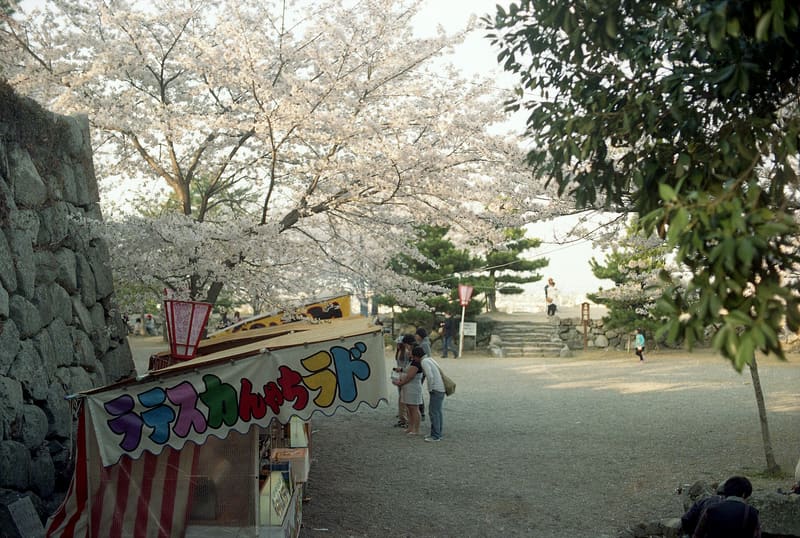 Matsusaka Castle100 mphoto by shikabane taro · CC BY 3.0
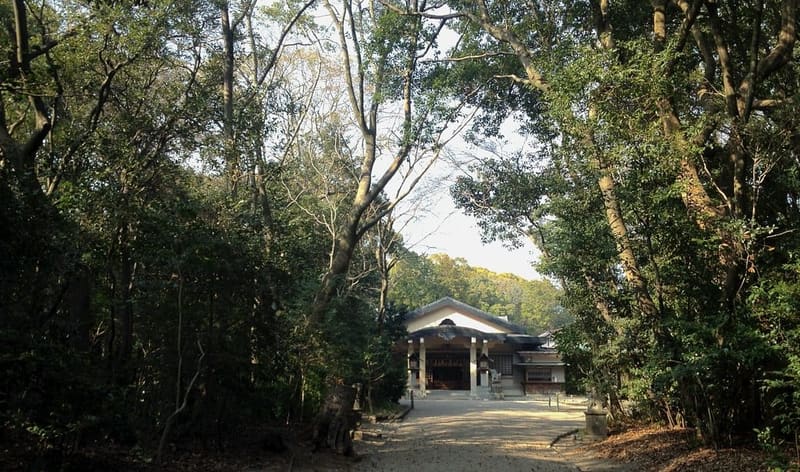 Tsu Hachiman-gū13.5 km
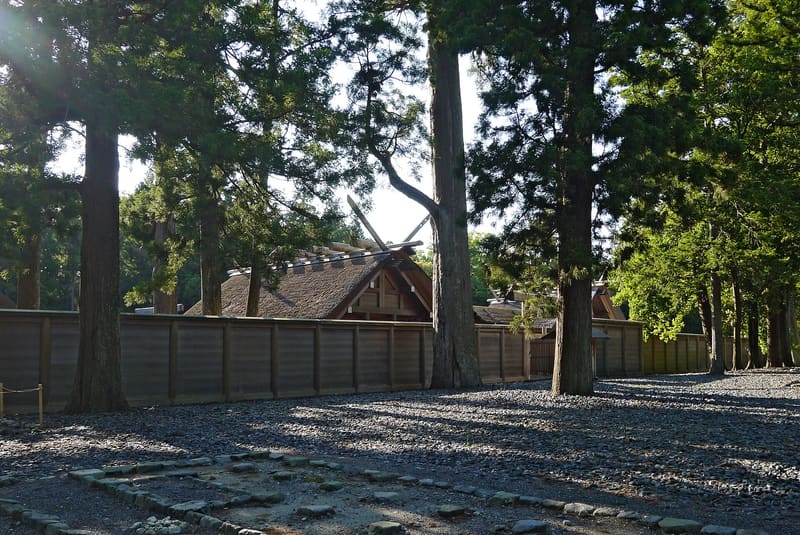 Ise Jingu Geku19.2 kmphoto by Oilstreet · CC BY 2.5