
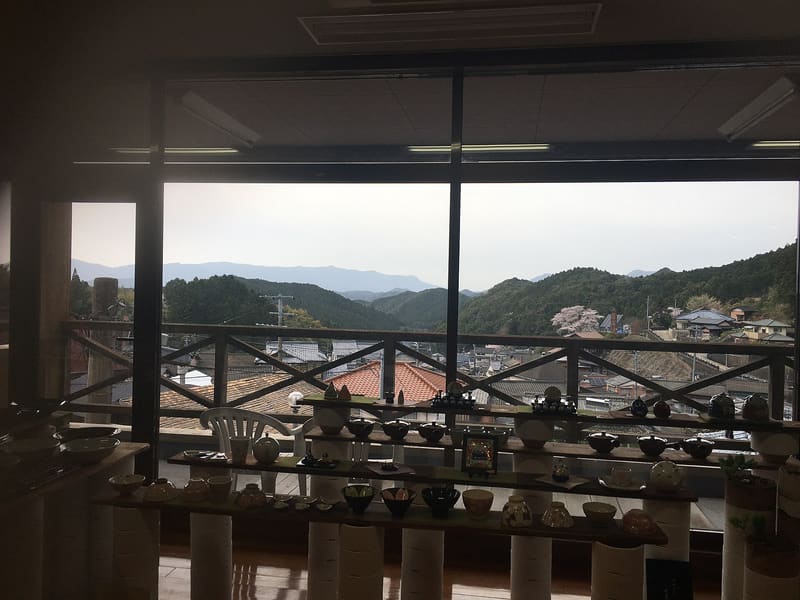
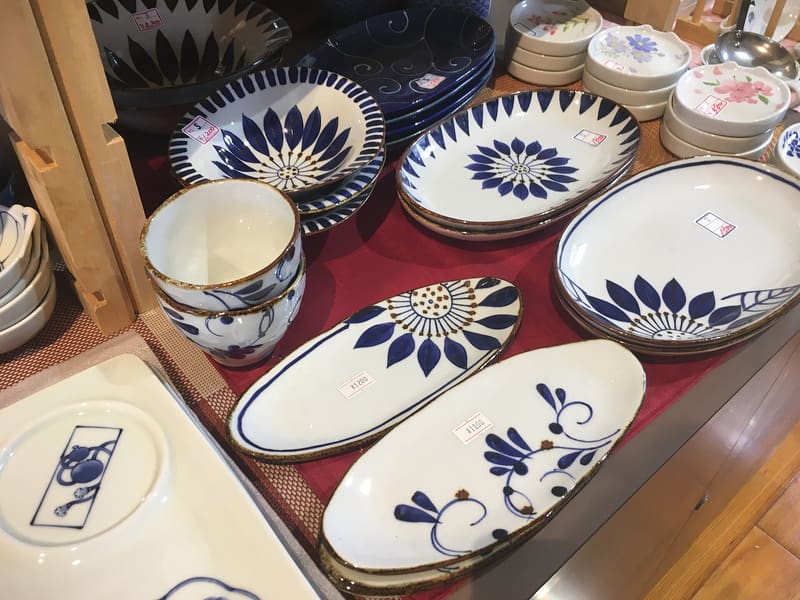
This hill town produces 13% of the tableware used every day in Japan.
The village, clinging to a slope of the small town of Hasami, still produces pottery in its climbing kilns today: Hasami as a whole, never allowed to sign its own pieces as the neighbouring and more prestigious Arita did (in Saga, not here), today makes about 13% of the tableware that ends up every day on Japanese tables.
A pottery district from the Edo period, historically a subcontractor for Arita-yaki: after the food scandals of 2002, which imposed stricter branding rules, local producers built a brand of their own, focusing on low-cost everyday tableware, now also sold by large retail chains. The ruins of the old Hizen-Hasami kilns are a National Historic Site.
ℹ️ You visit the village by walking freely through its lanes; the individual workshops and kilns keep their own hours.
Holidays in Japan? Plan them with us.Over 2,000 real places, a day-by-day itinerary.FreeOpen the map →Sources: ja.wikipedia.org · ja.wikipedia.org
Nearby
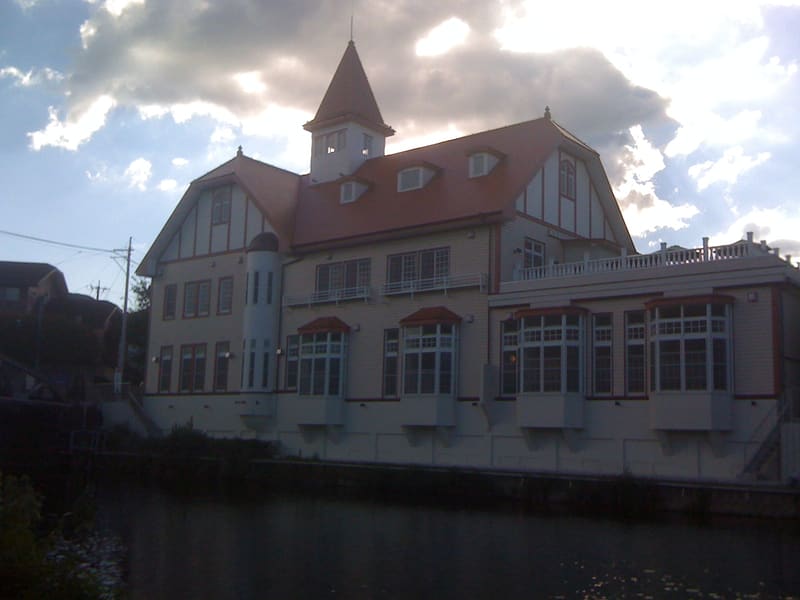 Ureshino Onsen Siebold Footbath5.6 kmphoto by Yasushi HASHIGUCHI · CC BY-SA 3.0
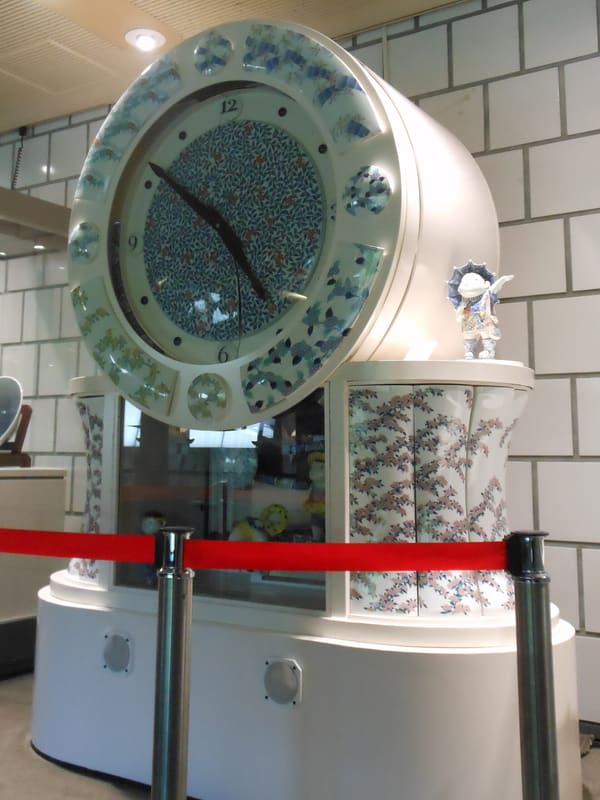 Kyūshū Ceramic Museum8.3 kmphoto by Pekachu · CC BY-SA 4.0
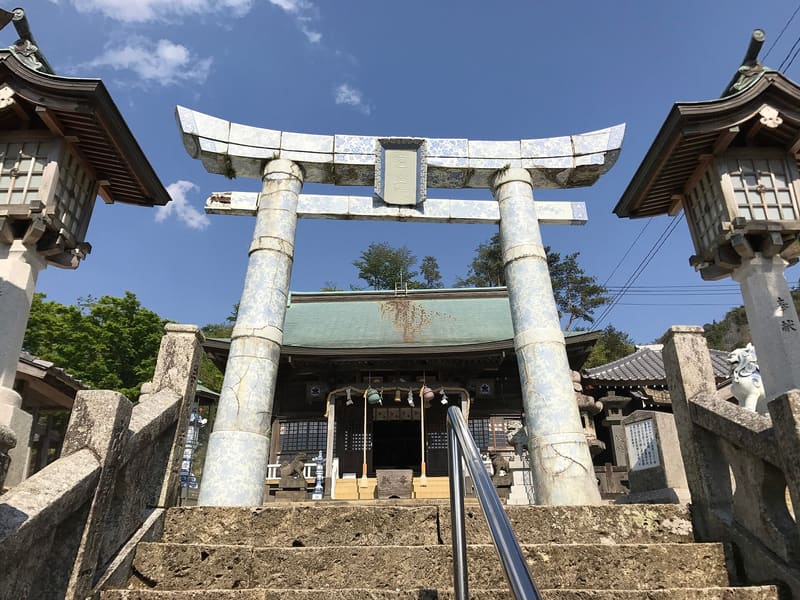 Sueyama Shrine, the porcelain torii8.5 kmphoto by そらみみ · CC BY-SA 4.0
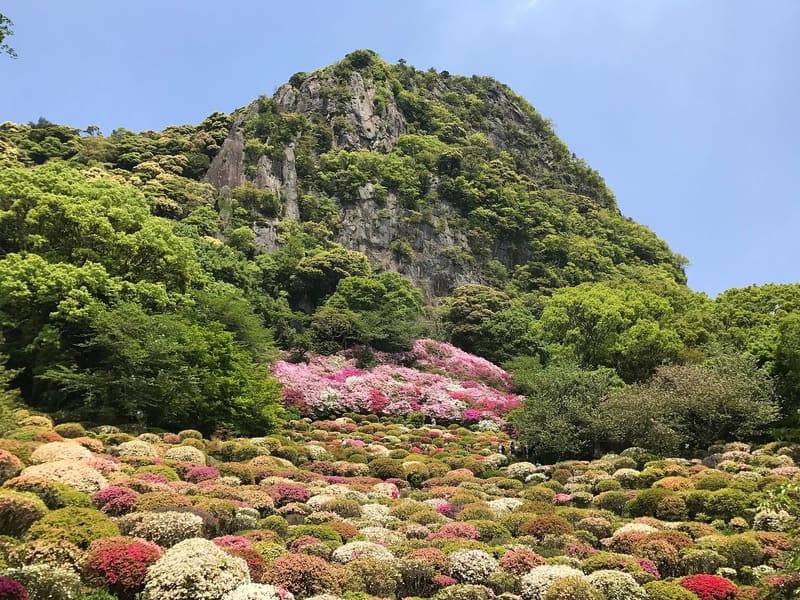 Mifuneyama Rakuen10.7 kmphoto by そらみみ · CC BY-SA 4.0