
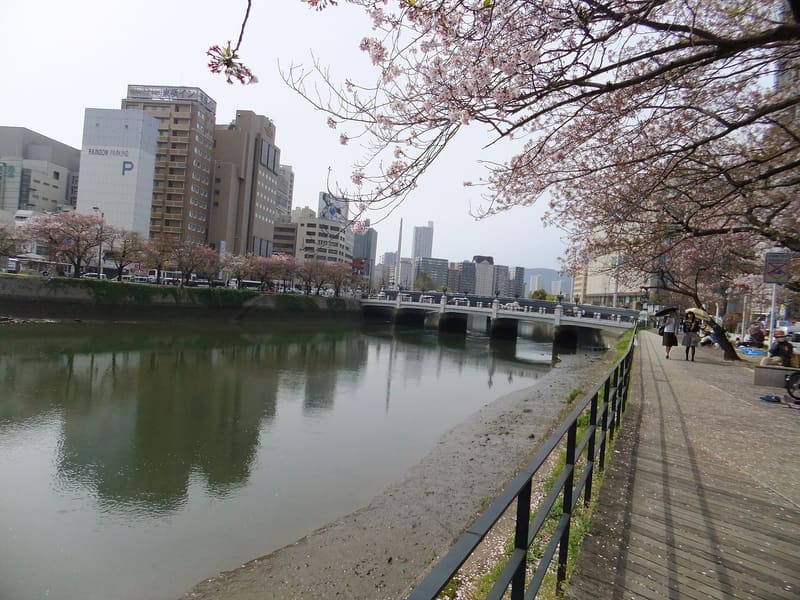
1,820 m from the hypocentre, the 1926 bridge held; the falcon only came back in 2016.
On the four corner pillars a large bronze falcon, standing on a globe, spreads its wings; on the parapet, two enkō (kappa-like creatures, the monkey-otter the bridge is named after) hold a peach together. These are the original 1926 decorations, in Secession style: removed in 1943 for the wartime requisition of metals and replaced with stone, they only returned to their place in 2016, on the initiative of a residents' movement.
The first wooden bridge at this point on the Enkō River dates from the time when Mōri Terumoto founded Hiroshima Castle, between 1589 and 1591; for two and a half centuries, under the Asano lords' ban on building other bridges in the city for security reasons, it was the only crossing of the river, and from 1754 the road leading to the bridge became the official route of the sankin-kōtai, the biennial pilgrimage of the feudal lords to Edo. The wooden bridge was rebuilt for the last time in 1886; with the opening of Hiroshima Station in 1894 it became the eastern entrance to the city, so much so that Emperor Meiji himself crossed it that year to reach the Imperial General Headquarters set up in the castle. The current bridge, in reinforced concrete, was rebuilt between 1925 and 1926 by the Tsumaki-gumi company: it was inaugurated on 16 March 1926 with a ceremony that, according to local tradition, drew about ten thousand people. On 6 August 1945, 1,820 metres from the hypocentre, the bridge was hit by the blast (some sections of the parapet were damaged) but did not collapse, and it was used as an escape route towards the aid post set up on the Higashi parade ground; the police stationed themselves on it to block access to the devastated city centre. It is now the oldest bridge still managed by the municipality of Hiroshima, recognised as a 被爆橋梁 (a bridge that survived the bomb) and selected as civil engineering heritage by the Japan Society of Civil Engineers (土木学会選奨土木遺産).
ℹ️ Public bridge, always open to cross on foot or by car, no opening hours or ticket. Near the ‘Enkōbashi-chō’ tram stop and a few minutes from the exit of Hiroshima Station.
🚉 Hiroshima · 7 min walk
Holidays in Japan? Plan them with us.Over 2,000 real places, a day-by-day itinerary.FreeOpen the map →Sources: ja.wikipedia.org · commons.wikimedia.org
Nearby
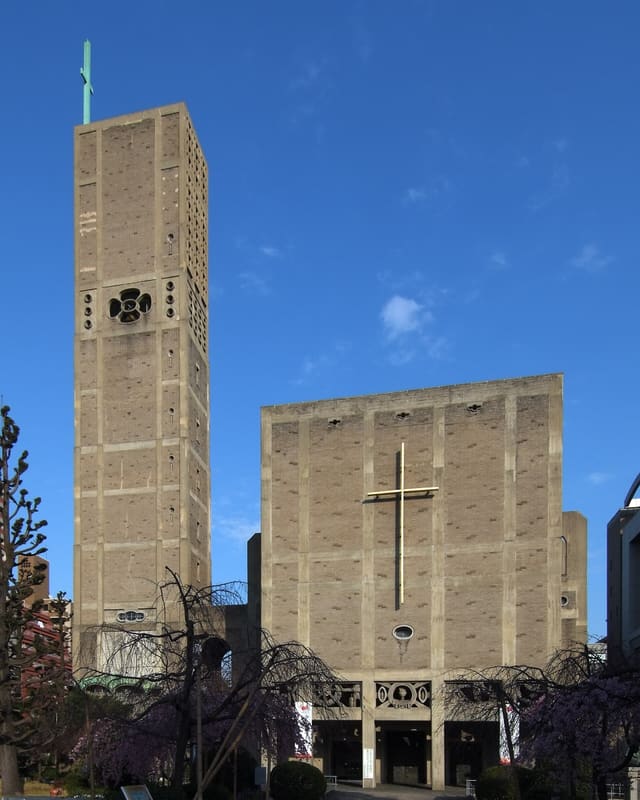 World Peace Memorial Cathedral600 mphoto by Wiiii · CC BY-SA 3.0
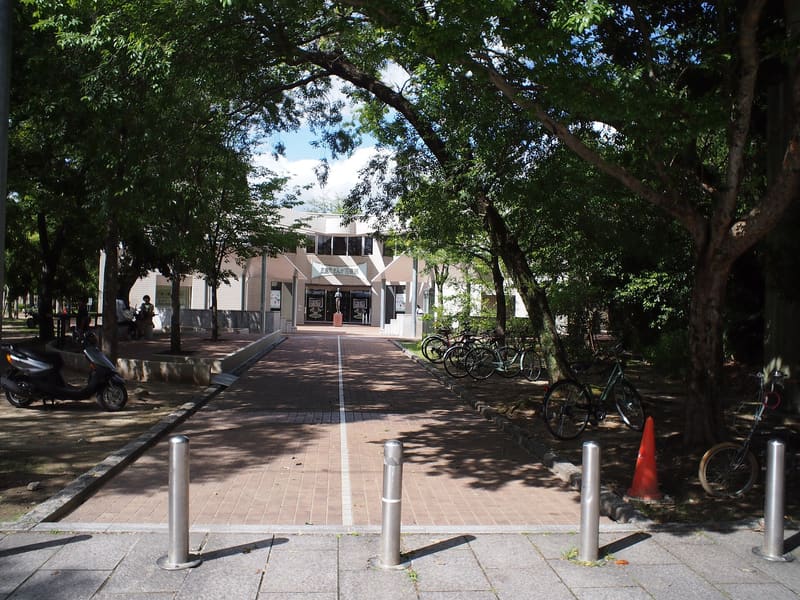 Hiroshima Manga Library800 mphoto by Taisyo · CC BY 3.0
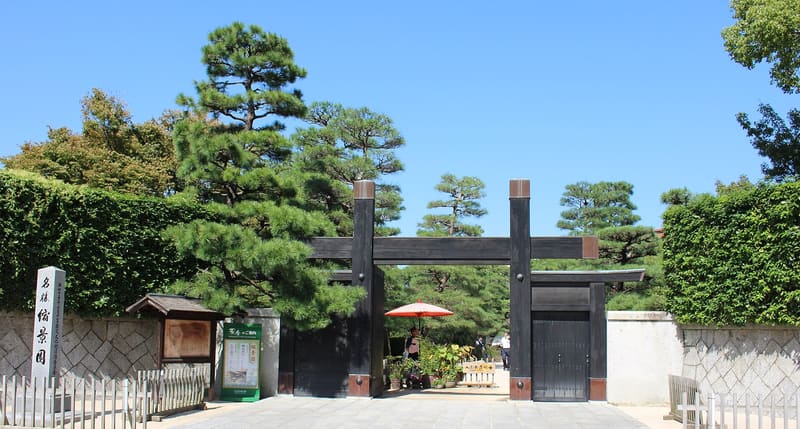 Shukkeien900 mphoto by Yoshio Kohara · CC BY 3.0
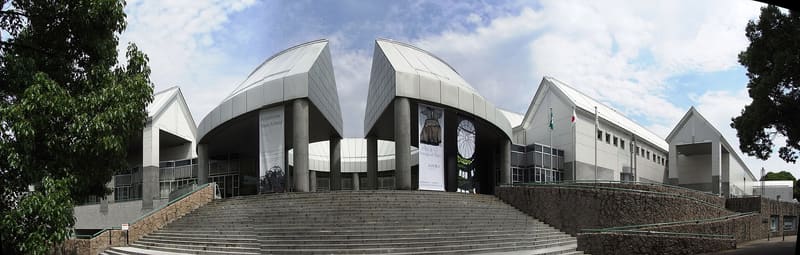 Hiroshima Museum of Contemporary Art900 mphoto by Taisyo at Japanese Wikipedia · CC BY 3.0