
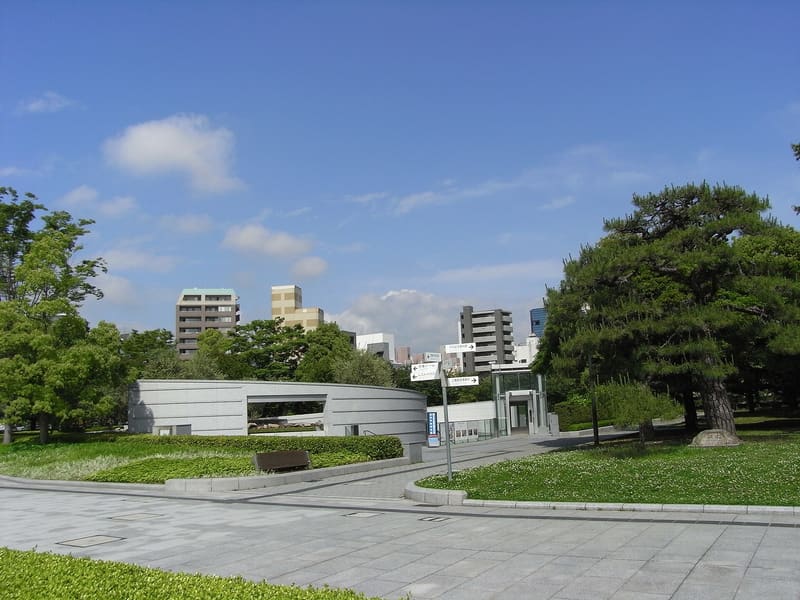
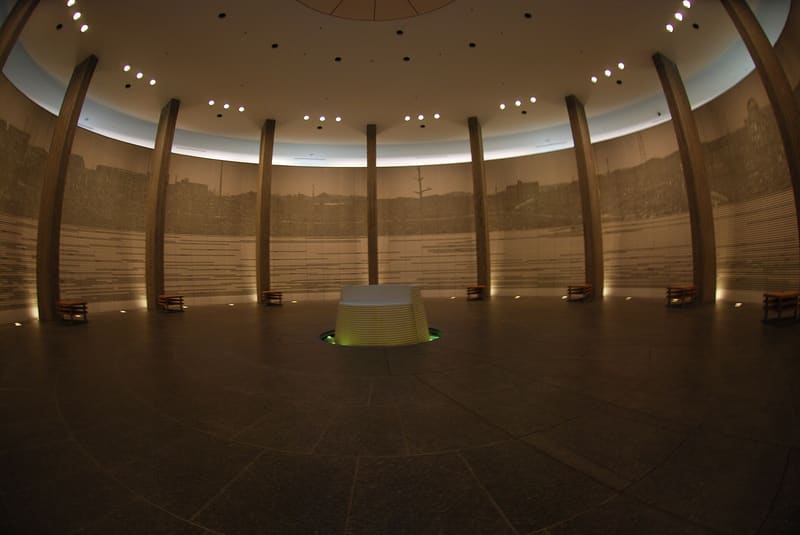
Opened in 2002, underground, with a register of victims' names and photos that had already passed 10,000 by 2004.
The building, by the architect Tange Kenzō (the same architect as the park's master plan and the Peace Memorial Museum), has two underground floors: on B1 an information area and a room for recorded testimonies, on B2 the space for prayer and remembrance of the dead, with the victims' photograph corner. Unlike the nearby Peace Memorial Museum, which tells the story of the bombing, the focus here is direct remembrance: the name and face of each victim.
A national facility in the Peace Memorial Park, devoted to the direct remembrance of the victims of the atomic bomb: it records names, photos and testimonies. Opened on 1 August 2002, it is the first national facility in the Peace Memorial Park, run by the Ministry of Health, Labour and Welfare under article 41 of the law on relief for atomic bomb survivors (原爆被爆者援護法). The register of names and photos had already passed 10,000 entries in 2004, and by 2008 the testimonies collected included more than 200 videos of hibakusha living abroad.
ℹ️ Open 8:30–18:00 (March–July, September–November), 8:30–19:00 in August (until 20:00 on 5 and 6 August), 8:30–17:00 (December–February). Closed on 30 and 31 December. Free admission. About 20 minutes on foot or by tram from Hiroshima Station (Honodori tram stop); there is no car park for private cars.
🚉 Hondōri · 10 min walk
Holidays in Japan? Plan them with us.Over 2,000 real places, a day-by-day itinerary.FreeOpen the map →Sources: hiro-tsuitokinenkan.go.jp · hiro-tsuitokinenkan.go.jp · ja.wikipedia.org
Nearby
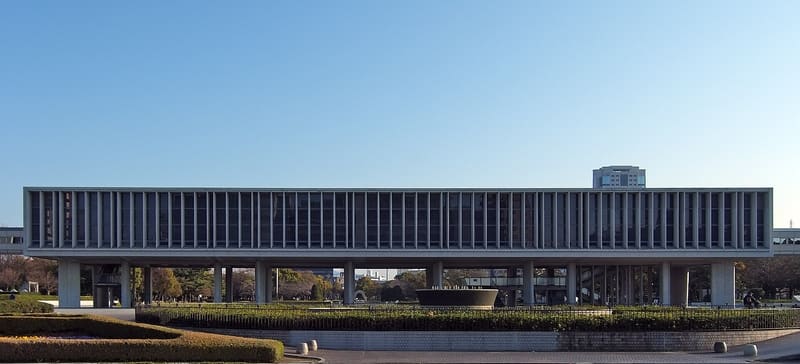 Hiroshima Peace Memorial Museum200 mphoto by Wiiii · CC BY-SA 3.0
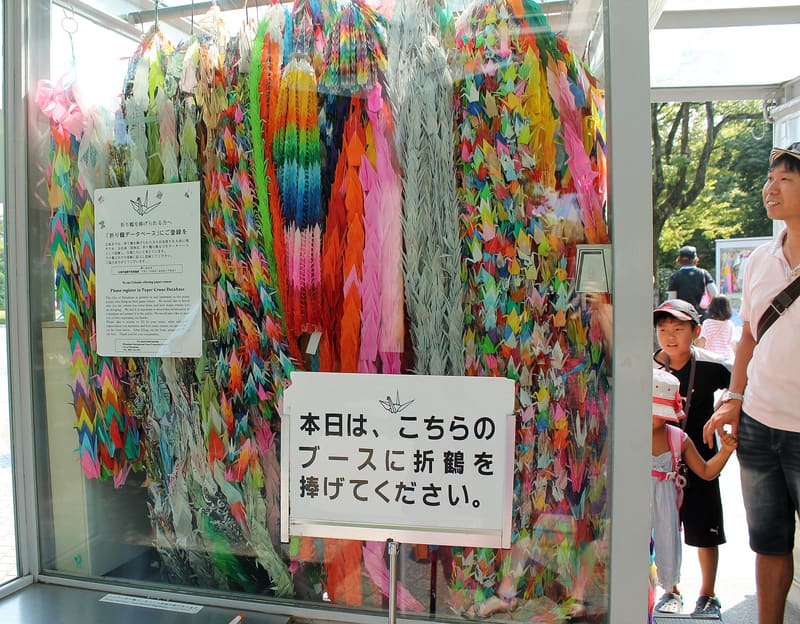 Children's Peace Monument300 mphoto by Sarah Stierch · CC BY 4.0
 Peace Park Rest House (former Taishōya)300 mphoto by Tokyo-Good · CC BY-SA 4.0
 Genbaku Dome (Atomic Bomb Dome)400 mphoto by Jakub Hałun · CC BY 4.0