
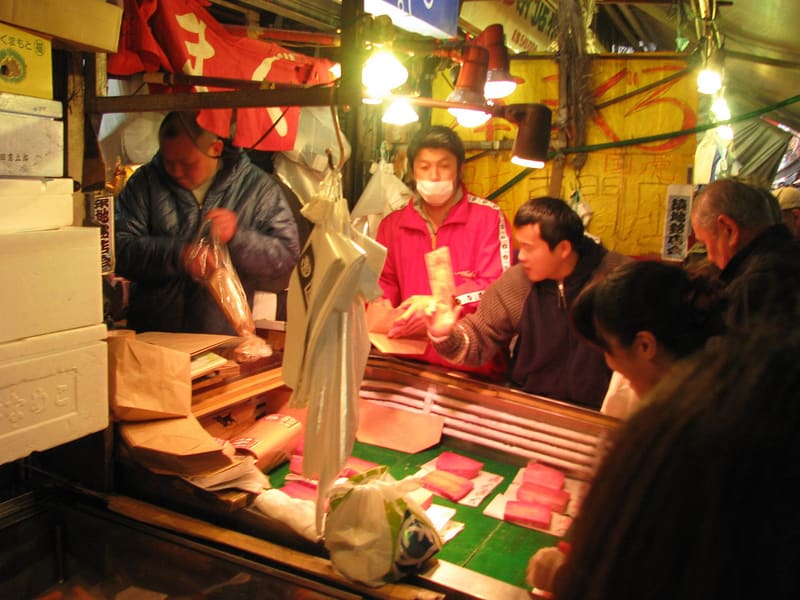
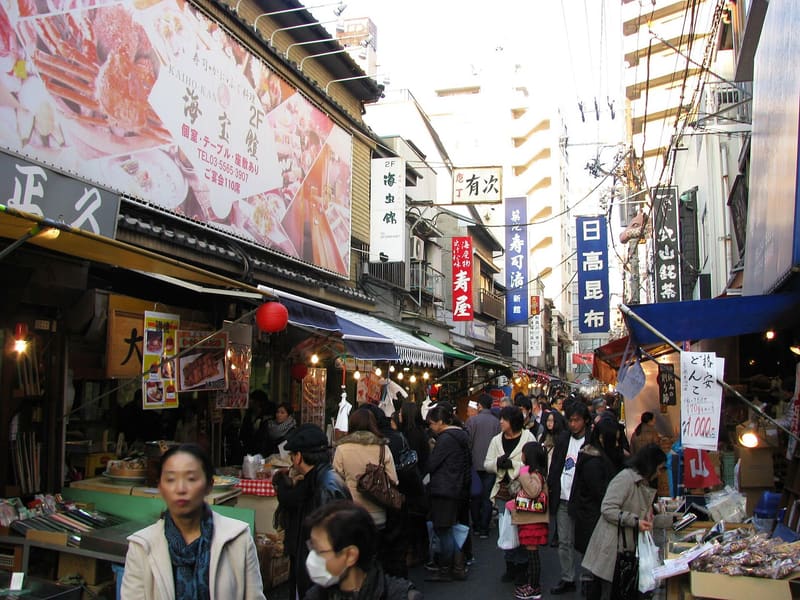
When the market moved to Toyosu, this stayed behind: it was not the market.
You go in from a side street and the row of stalls starts straight away, with no threshold: the rolled omelette comes off the griddle hot, the sea urchins lie open on the ice, the scallop is eaten standing up. At nine the wholesalers are done and the streets belong to retail buyers; after eleven you walk in single file.
Tsukiji means ‘reclaimed land’: the area was taken from the mouth of the Sumida in 1657, after the great Meireki fire, and became a samurai neighbourhood. In 1923 the Kantō earthquake destroyed the Nihonbashi fish market, which moved here. Around the central market the fish traders settled of their own accord, and the outer market grew without anyone planning it: that is why in 2018, when the wholesale trade went to Toyosu, it stayed where it was.
ℹ️ A public street, open to walk through at any hour, but the market comes alive between 9:00 and 14:00: it opens at 5:00, and those are wholesalers' hours. After 11:00 it is crowded. Closed on Sundays and some Wednesdays – the official facilities close, but a local guide, a former fish broker with twenty-five years in the market, says that about half the shops open anyway. The closure calendar is on the market's website.
🚉 Tsukiji · 5 min walk
Holidays in Japan? Plan them with us.Over 2,000 real places, a day-by-day itinerary.FreeOpen the map →Sources: tsukiji.or.jp · mugippa.com · 4travel.jp · tanuki-tabi-travel.com
Nearby
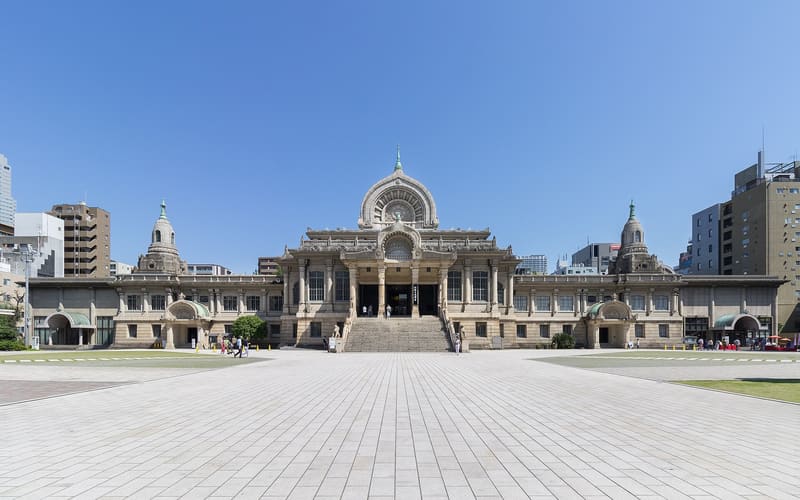 Tsukiji Hongwanji200 mphoto by Kakidai · CC BY-SA 4.0
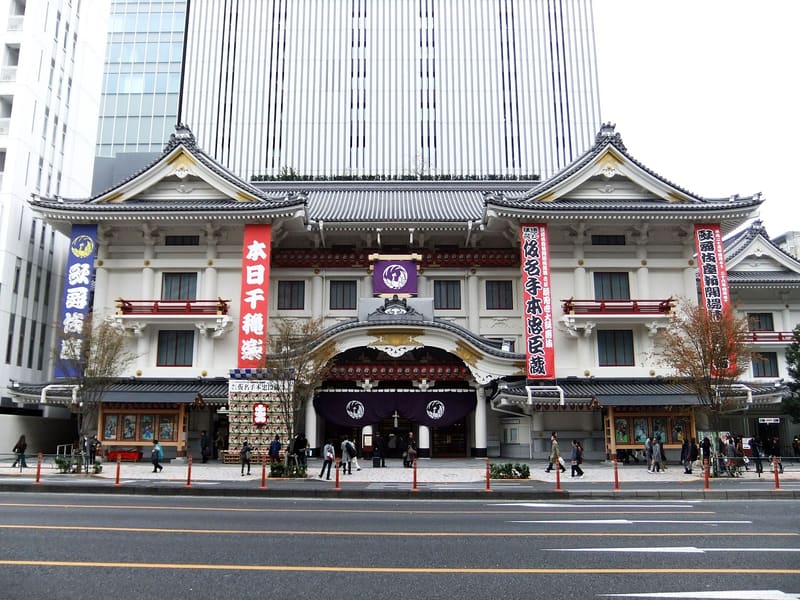 Kabuki-za Theatre500 mphoto by Tak1701d · Public domain
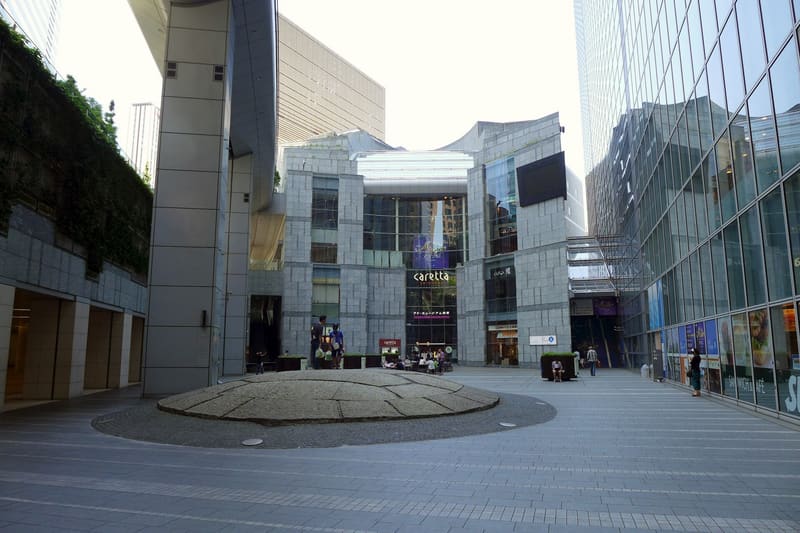 Caretta Shiodome, SKY VIEW700 mphoto by Wing1990hk · CC BY 3.0
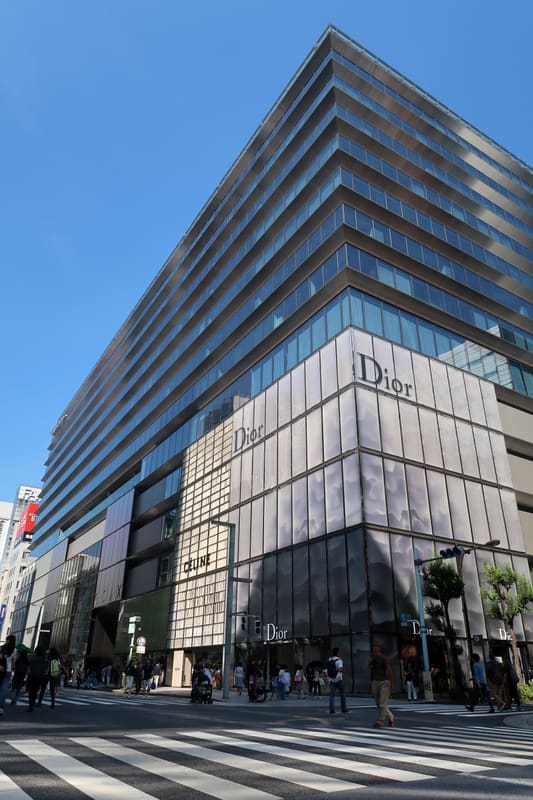 GINZA SIX700 mphoto by Wpcpey · CC BY-SA 4.0