
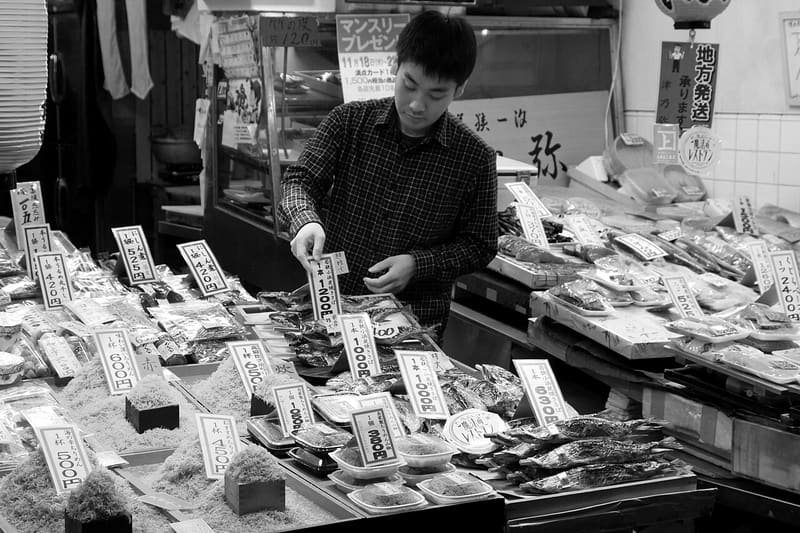
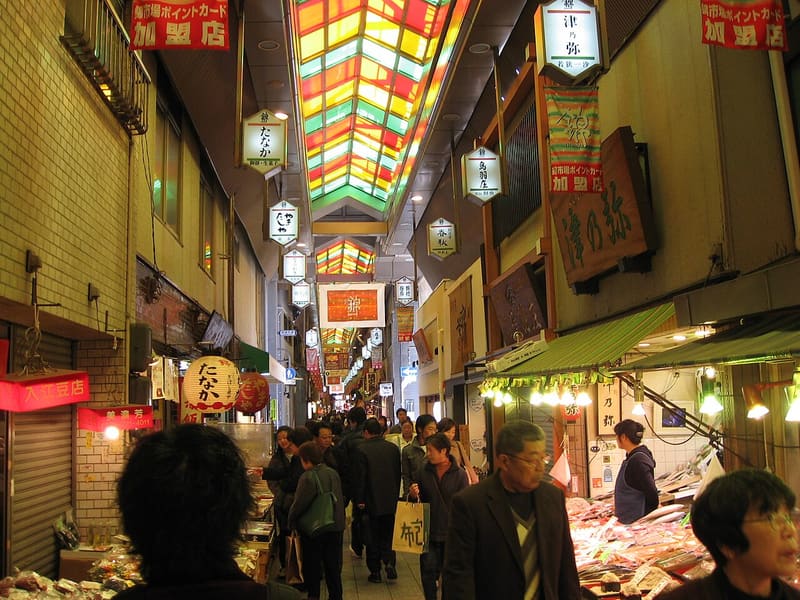
390 metres, 130 shops: as early as 1615 the shogunate gave it the monopoly on fresh fish.
Known as ‘Kyoto's kitchen’ (京の台所), the market runs for about 390 metres under a covered roof, with some eighty years of history as an official fish market: in 1615 the Tokugawa shogunate granted this stretch of street the exclusive title of fresh-fish wholesaler for the city, the first step towards its success. Today, alongside the fish, tsukemono (pickled vegetables), tofu, kitchen knives, tea and sweets are sold, with more tasting stalls for eating on the go than tables to sit at.
The first traces of a market in this street date back to the Heian period; its role as a market specialising in fresh fish is documented from 1615. Today it still supplies Kyoto's restaurants and inns as well as visitors.
ℹ️ The individual shops have their own opening hours, roughly 9:00–18:00; many close one day a week, not always the same one. Covered passage, crowded especially at midday; some stalls do not allow eating while walking.
🚉 Kyoto Kawaramachi · 6 min walk
Holidays in Japan? Plan them with us.Over 2,000 real places, a day-by-day itinerary.FreeOpen the map →Sources: ja.kyoto.travel · kyotonishiki-ec.com
Nearby
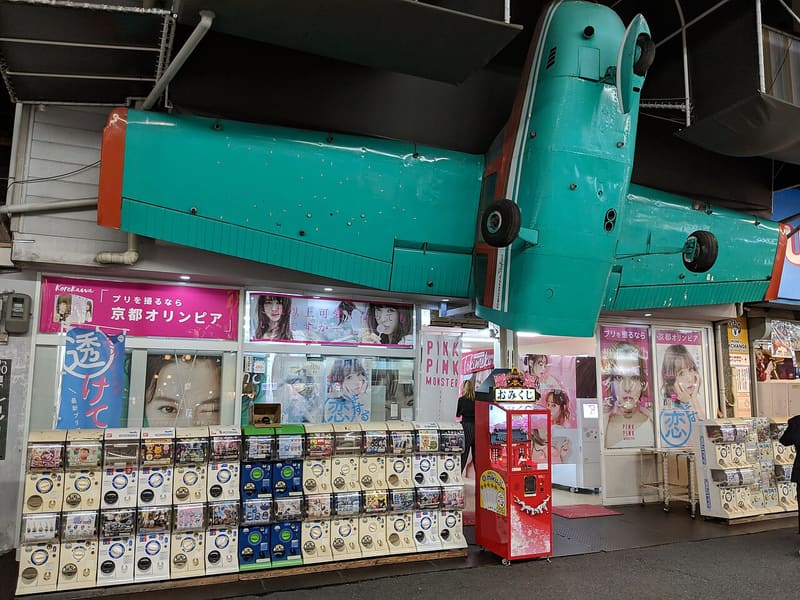 Teramachi and Shinkyogoku200 mphoto by Michael Ocampo from United States · CC BY 2.0
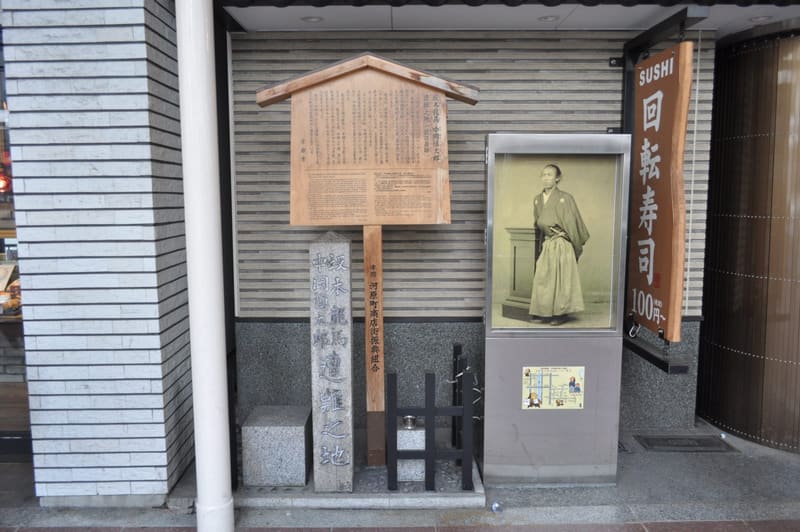 Ōmiya Site — ambush on Sakamoto Ryōma300 mphoto by Tokuzo in Edo Village (江戸村のとくぞう) · CC BY-SA 4.0
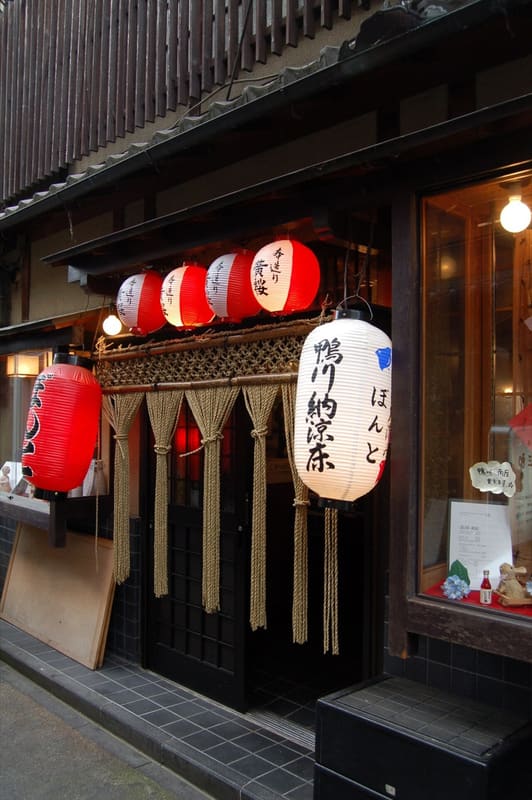 Pontocho500 m
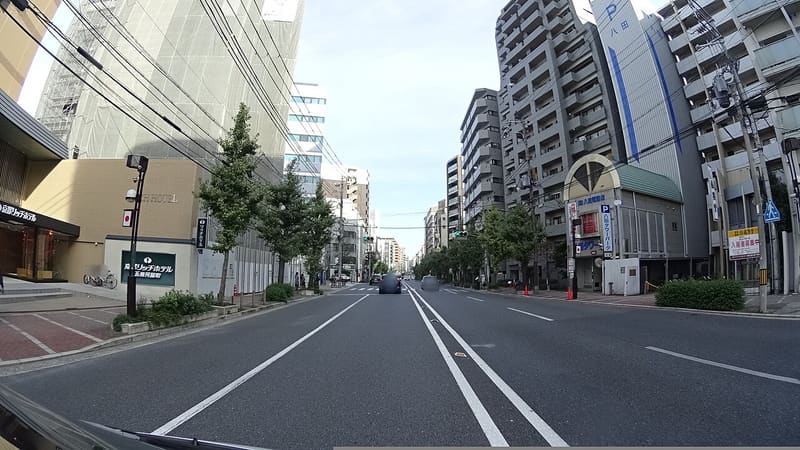 Kiyamachi-dori900 mphoto by yasunari · CC BY-SA 4.0