
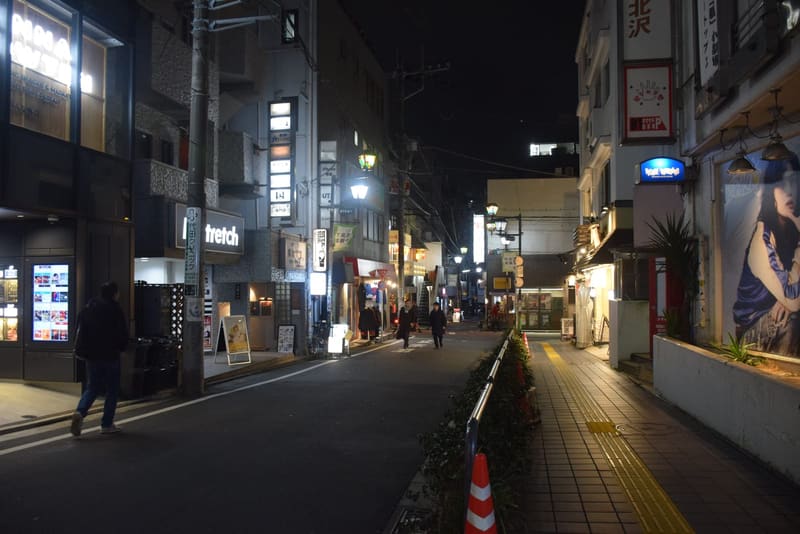
The Odakyū tracks have been underground since 2013: the streets above remain car-free.
As you leave the station you find yourself straight away in a maze of narrow alleys, closed to traffic, among vintage clothes shops, bookshops and live music venues. The neighbourhood does not come alive before midday: the best comes in the late afternoon and evening, among historic theatres such as the Honda Gekijō and bars hidden in back rooms.
Until 1912 the area was a farming community with a single registered shop; the station opened in 1927, and in 1933 the Keiō Inokashira line arrived, alongside the Odakyū. Post-war development cleared the rice paddies and brought craftsmen and small traders, laying out the tangle of alleys the neighbourhood still has today. A redevelopment plan by Setagaya City, launched in 2004, led in March 2013 to the Odakyū tracks being put underground and doubled in both directions.
ℹ️ The Odakyū and Keiō Inokashira lines cross at the station: it is 7 minutes from Shinjuku, and about 35 from Tokyo Station with a change. Many shops do not open before midday; the central streets are pedestrianised, narrow and not suitable for wheeled suitcases.
🚉 Shimo-Kitazawa · in front of the station
Holidays in Japan? Plan them with us.Over 2,000 real places, a day-by-day itinerary.FreeOpen the map →Sources: en.wikipedia.org · gotokyo.org · terraincognita.earth
Nearby
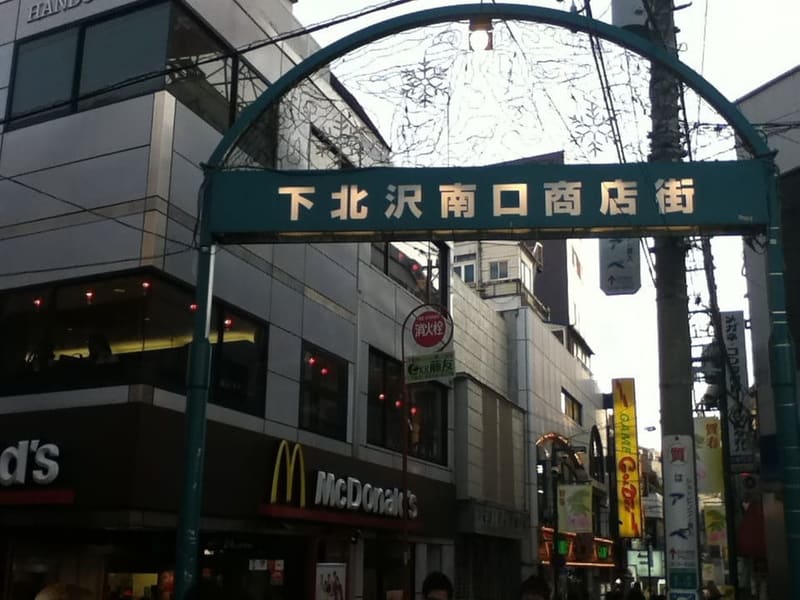 Shimokitazawa South Shotengai and Kōshin-dō100 m
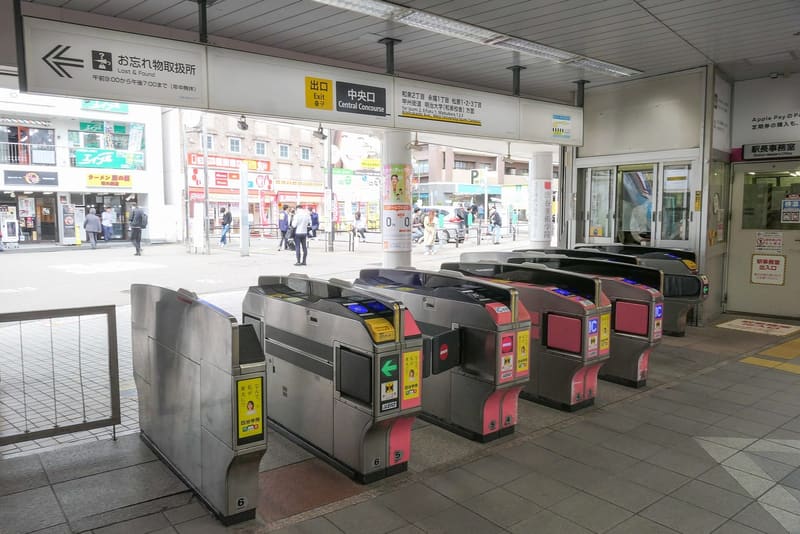 Meidaimae — Saitama's building1.7 kmphoto by MaedaAkihiko · CC BY-SA 4.0
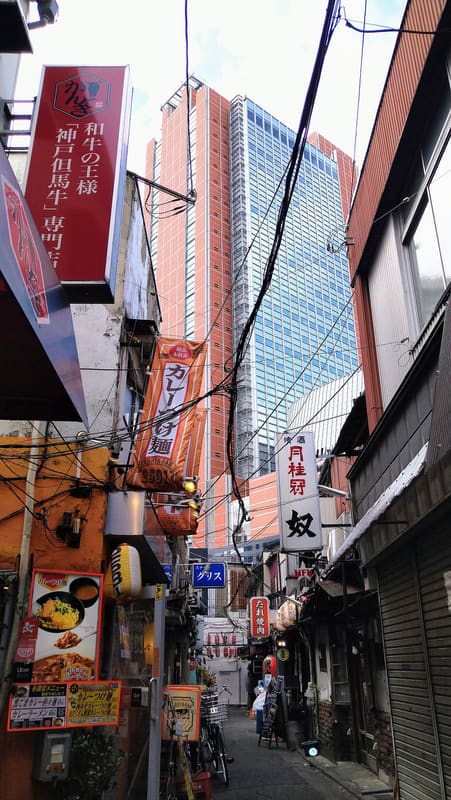 Carrot Tower, Sky Carrot2 kmphoto by Doricono · CC BY-SA 4.0
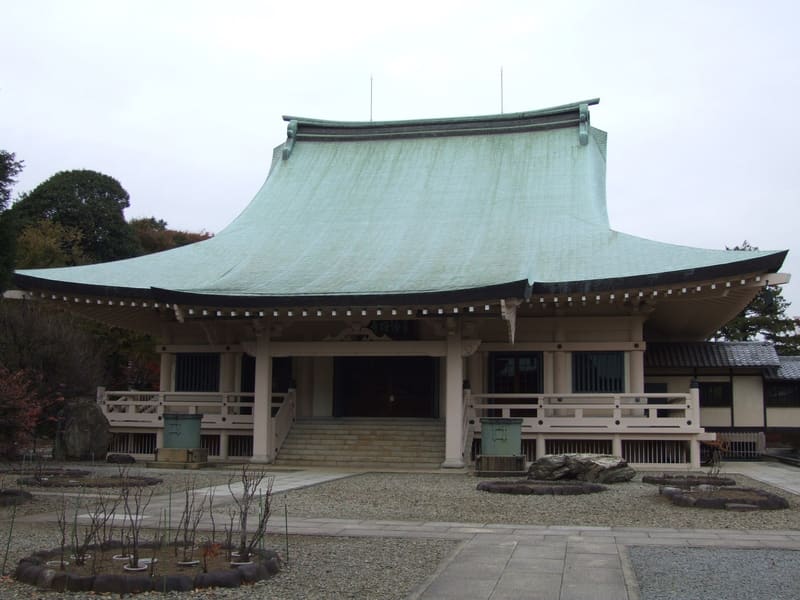 Gotokuji Temple2.3 kmphoto by ? · CC BY-SA 3.0